In modern construction projects, greenery plays an extremely important role in creating airy, environmentally friendly living spaces. Trees planted in buildings not only help reduce pollution and regulate the air but also provide high aesthetic value, highlighting the architecture and landscape.
With their diverse types, sizes, and uses, selecting the right trees for construction projects requires careful consideration. This article is by HSB Vietnam We will introduce you to these types landscaping Most popular, offering many practical benefits for both living spaces and the surrounding environment.
Mahogany Tree
The mahogany tree (Khaya senegalensis) is a popular landscaping tree, often planted along streets, in parks, and urban areas. Reaching heights of 30-40 meters, with a large trunk and wide canopy, the mahogany tree not only provides shade but also helps regulate the air temperature and cool the surrounding space. This species has strong roots, good growth potential, and tolerates harsh environmental conditions, making it very suitable for planting in large-scale projects.
Beyond its aesthetic value, the mahogany tree also contributes to improving air quality, helping to reduce dust and noise in urban areas. In particular, its long lifespan provides long-term benefits for green and sustainable construction projects.
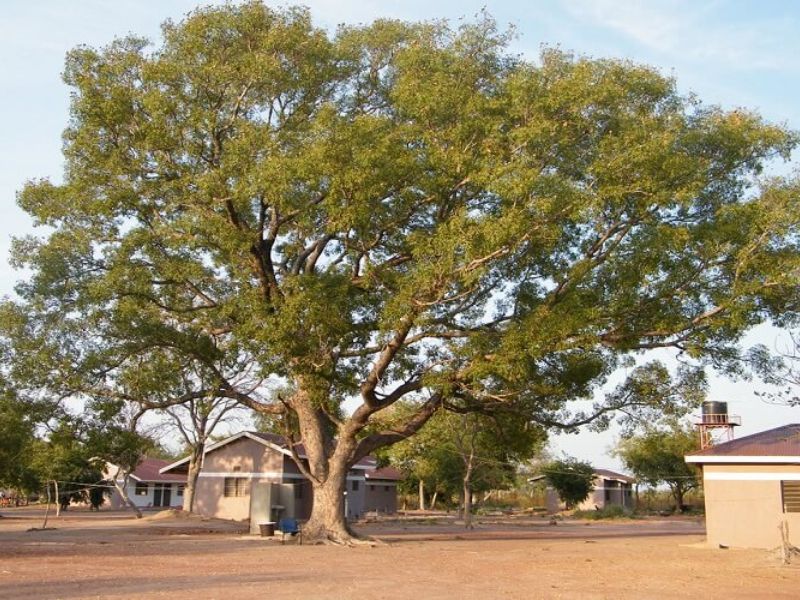
Mahogany Tree
Black Star Tree
The black star tree (Hopea odorata) is a large tree commonly planted in urban areas and along major roads. Reaching heights of 20 to 30 meters, with a straight trunk and dense foliage, the black star tree not only provides shade but also helps improve air quality by absorbing dust and harmful gases. Its drought tolerance and adaptability to various climates make it ideal for planting in urban areas and parks.
Furthermore, the black star tree has hard, durable wood, making it commonly used in construction and as a high-end interior material. With its vigorous growth and long lifespan, the black star tree not only provides aesthetic value but also contributes to creating sustainable green spaces for large-scale projects.

Black Star Tree
Flame Tree
The flamboyant tree (Delonix regia) is a tropical tree famous for its vibrant red blossoms, which typically bloom in the summer. It averages 10 to 15 meters in height, with a wide canopy and a slender yet sturdy trunk, providing shade and a cooling effect. Flamboyant trees are often planted in school grounds, parks, and along streets because they offer both beautiful scenery and green spaces.
The benefits of the flamboyant tree for construction projects lie not only in its aesthetic value but also in its ability to prevent soil erosion, protect the soil, and provide natural shade. The flamboyant tree also has feng shui significance, symbolizing success and growth, and is often chosen as a landscape tree in urban areas and public works.
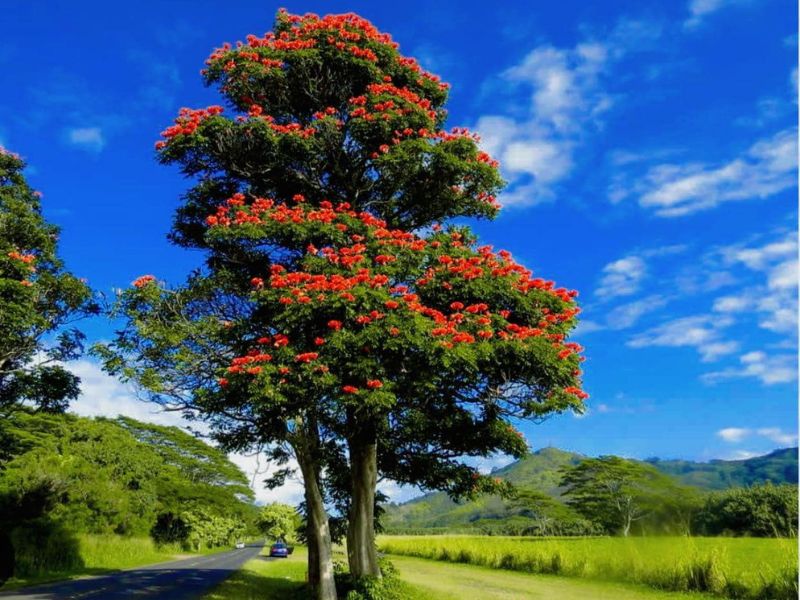
Flame Tree
Singapore Almond Tree
The Singapore Ficus (Ficus Lyrata) is a popular ornamental plant for interior decoration and modern architecture. With its large, dark green, and glossy leaves, the plant thrives in low-light conditions, making it ideal for indoor spaces, offices, or public areas. Growing to a height of 1 to 3 meters in a pot, it adds a sophisticated and elegant touch to any living space.
The benefits of the Singapore almond tree for buildings lie not only in its aesthetic value but also in its ability to purify the air, absorbing dust and harmful substances, creating a healthier environment. With its vigorous growth and ease of care, the Singapore almond tree is an ideal choice for beautifying and creating sustainable green spaces for modern architectural projects.

Singapore Almond Tree
Sấu tree
The Spondias duperreanum tree (Dracontomelon duperreanum) is a large tree commonly planted in urban areas, parks, and along streets. It has a tall, straight trunk, reaching heights of 15 to 25 meters, and a wide canopy that provides effective shade. Its lush green leaves fall in winter, offering a pleasant change to the landscape throughout the seasons. The Spondias duperreanum also produces sour fruit, often used in Vietnamese cuisine, especially in the dish of pickled Spondias duperum.
For construction projects, the sấu tree offers many benefits such as providing shade, regulating temperature, and improving air quality. Additionally, with its strong root system, the tree helps prevent soil erosion and protects the surrounding environment. With its natural beauty and adaptability, the sấu tree is a popular choice for greening urban areas and large construction projects.
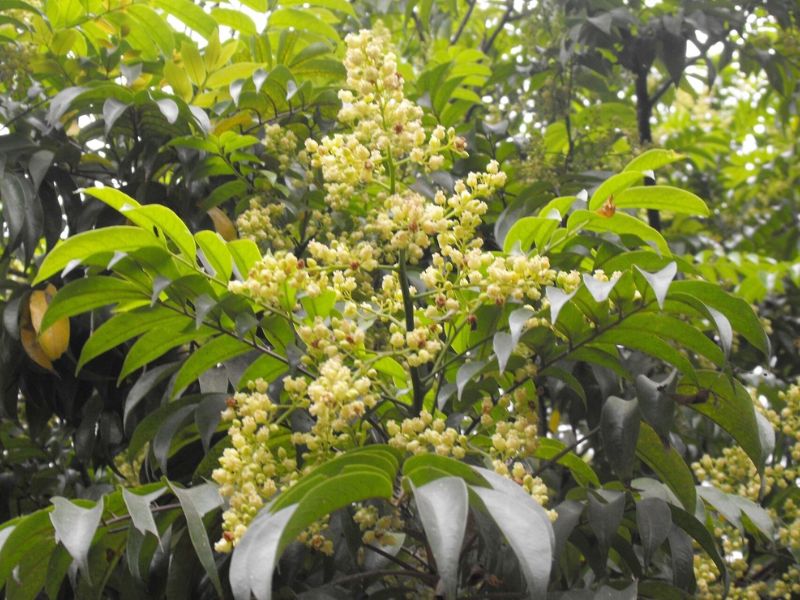
Sấu tree
Lagerstroemia tree
The crape myrtle (Lagerstroemia speciosa) is one of the most popular ornamental trees in Vietnam, commonly planted in parks, sidewalks, and urban areas. Reaching a height of 8 to 15 meters, the tree has a wide canopy and lush green leaves, providing shade for the surrounding space. Especially in summer, the tree blooms with clusters of vibrant purple flowers, creating a striking and eye-catching sight.
Lagerstroemia trees not only possess high aesthetic value but also offer numerous benefits to buildings. They help improve air quality by absorbing dust and harmful gases, while also creating a relaxing atmosphere for residents. Their root systems also help prevent soil erosion and protect the environment. With their long lifespan and vigorous growth, Lagerstroemia trees are an ideal choice for beautifying and greening modern architectural projects.
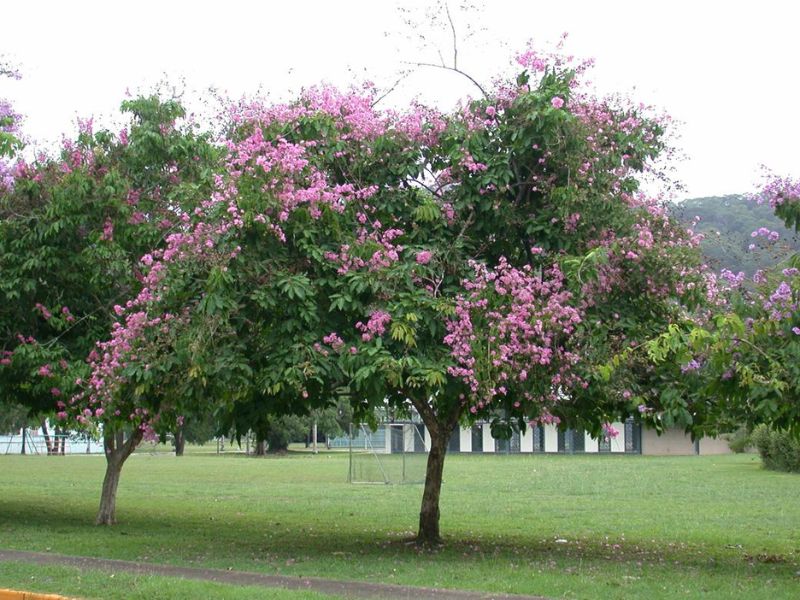
Lagerstroemia tree
Barringtonia tree
The Barringtonia acutangula tree is a large tree commonly planted in parks, along riverbanks, and in urban spaces. It can grow to 10 to 20 meters tall, with a wide canopy and numerous branches providing effective shade. Particularly in summer, it blooms with fragrant white and pink flowers, adding a captivating beauty to the landscape.
Barringtonia trees are not only visually appealing but also offer numerous benefits to buildings. They improve air quality by absorbing carbon dioxide and providing oxygen, while also reducing noise and pollution. Their strong root system helps prevent soil erosion, protecting the environment and maintaining stability in the planting area. With these outstanding advantages, Barringtonia trees are an ideal choice for creating green, fresh, and sustainable spaces in modern buildings.
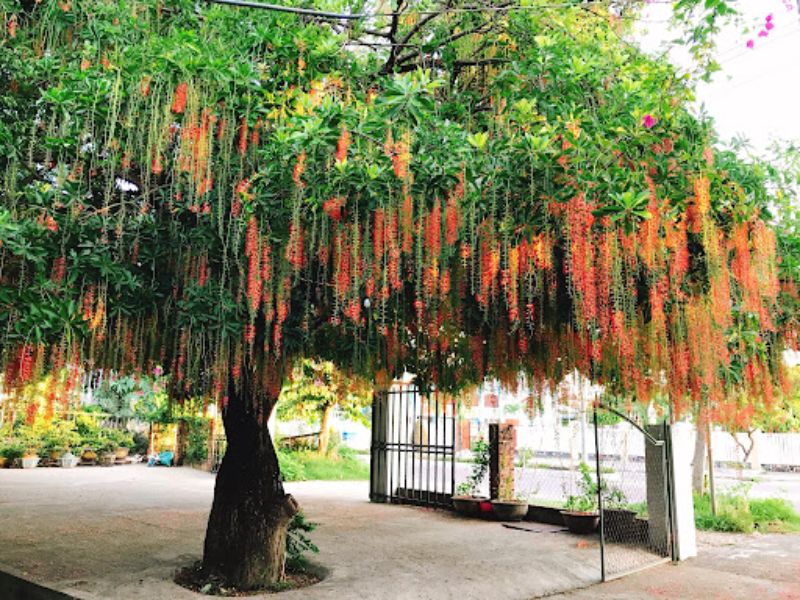
Barringtonia tree
Acacia mangium
Acacia mangium, also known as Acacia auriculiformis, is one of the most common tree species in Vietnam's forestry industry. With its easy cultivation, rapid growth, and adaptability to various soil types, the acacia tree is not only used for timber but also has value in soil improvement and environmental protection. The tree averages 15 to 25 meters in height, with a wide canopy providing shade, making it suitable for public works, gardens, and resorts.
There are many reasons to choose Acacia mangium for construction projects. First, the tree is highly resistant to harsh weather conditions. Second, its robust root system helps retain soil and prevent erosion, protecting the environment. Finally, the wood of the Acacia mangium tree is of high quality, widely used in construction and interior design, providing economic value to investors.

Acacia mangium
Banyan Tree
The Banyan tree, also known as the Red-budded Banyan, is one of the most common large trees in Vietnam, often planted in public areas such as parks, temples, or along roadsides. The tree can reach a height of 15 to 30 meters, with a wide canopy providing shade and a spacious green environment. Notably, Banyan trees typically have a very long lifespan, ranging from decades to centuries, symbolizing vitality and longevity.
There are many reasons to choose the Banyan tree for a project. First, it is drought-tolerant and adaptable to various soil types, minimizing maintenance costs. Second, its dense foliage provides shade, creating favorable conditions for outdoor activities. Finally, the Banyan tree also has auspicious feng shui meaning, often considered a symbol of stability and prosperity, adding a striking focal point to the architectural space.

Banyan Tree
Royal Palm Tree
The Royal Palm (Areca catechu) is one of the most beautiful and rare ornamental trees, favored for garden and architectural decoration. The tree averages 15 to 25 meters in height, with a straight, smooth trunk and long, lush green leaves, creating an elegant and luxurious appearance. Importantly, the Royal Palm is very easy to care for and can tolerate a wide range of climates, from mountainous regions to coastal areas.
There are many reasons to choose the Royal Palm for your project. First, it provides effective shade, making it ideal for outdoor relaxation areas. Second, it has high aesthetic value and is often used in modern designs, enhancing the beauty of living spaces. Finally, the Royal Palm also has positive feng shui significance, symbolizing prosperity and abundance, creating a harmonious and vibrant atmosphere for any project.

Royal Palm Tree
Choosing the right plants for construction projects is not only an aesthetic consideration but also reflects a concern for environmental health and quality of life. Suitable plants not only help improve air quality but also create an ideal living space in harmony with nature.
Through this article, HSB Vietnam hopes you will find the ideal trees for your project, contributing to enhancing architectural value and protecting the environment. Let trees become an indispensable part of construction projects, bringing vibrancy and sustainability to your living space.