

• 79/13 Tam Binh Street, Tam Phu Ward, Thu Duc City, Ho Chi Minh City

What is a purely organic landscape?

Organic landscaping is a method of designing, constructing, and maintaining green spaces based on the principle of nurturing the soil and the ecosystem, rather than simply "feeding plants" with chemical fertilizers and pesticides. This method prioritizes soil improvement, increasing beneficial microorganisms, and using organic materials and biological preparations to promote sustainable plant growth with fewer pests and diseases over time. By minimizing chemical residue, organic landscaping is safer for children, pets, and surrounding water sources. In the long term, the garden is more stable, easier to maintain, and self-balancing.

Inorganic radicals

Inorganic (chemical) fertilizers and pesticides are now widely used in garden care due to their quick effectiveness and ease of application. These products provide direct nutrition to promote plant growth and help control pests and diseases quickly when needed. However, long-term use can affect the soil, water sources, and human health if the dosage and application techniques are not properly controlled. Therefore, users need to understand the advantages and disadvantages to use them more rationally and safely.

– Inorganic fertilizers include familiar types such as NPK, nitrogen, phosphorus, potassium, etc., with various nutrient ratios, available in liquid or dry granular form, easy to buy and use for each stage of plant development.

– New technologies have created slow-release inorganic fertilizers, which are easier to use and less likely to shock plants if over-applied. They are commonly used in home gardens and households, but are more expensive.

– Chemical pesticides for pest control come in liquid or powder form, and are specifically manufactured for each type of pest or growth stimulant.

– Advantage: Fast-acting, easy to find and buy, saves time on care, plants absorb nutrients quickly, and problems that arise in the garden are easy to handle.

– Disadvantages: It can affect health upon direct contact, cause air and water pollution, and degrade soil ecosystems if used long-term.

Organic

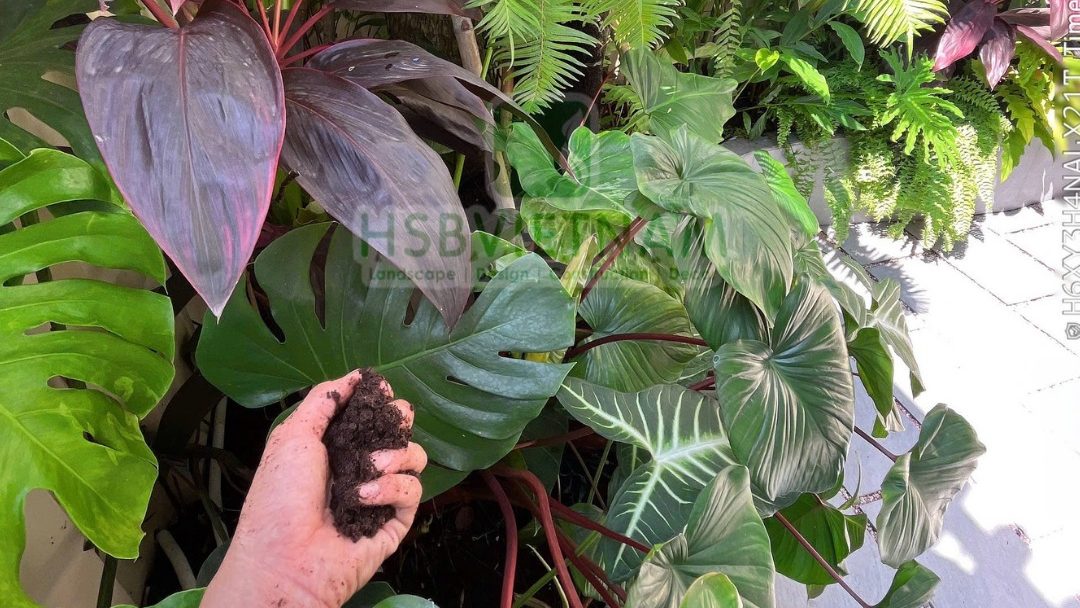
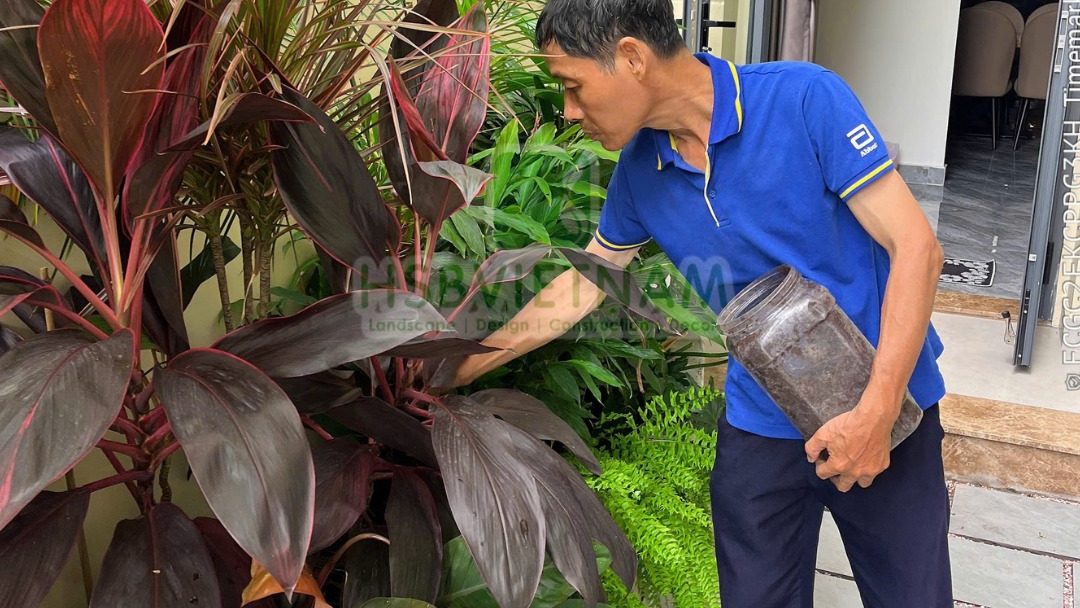
Organic fertilizers are naturally derived nutrients from animal manure, plant by-products, straw, or other organic materials that have been composted and treated with microorganisms. They help improve soil quality and nourish plants sustainably. In addition to traditional raw materials, many fertilizers are extracted and fermented into liquid form for easier plant absorption. Garden care methods based on organic fertilizers focus on soil improvement, increasing the microbial ecosystem, and helping the garden balance itself over time instead of relying on chemicals.

– Organic fertilizers are derived from animal manure, leaves, plant waste, agricultural by-products, or processed into microbial or biological organic fertilizers that are more easily absorbed by plants.

– It comes in traditional compost form or as a liquid extract, fermented from natural ingredients to provide nutrients for plants.

– Advantages: environmentally safe, does not pollute water sources, helps improve soil, increases beneficial microorganisms, and creates a sustainable, long-term source of nutrients for plants.

– Disadvantages: slow nutrient release, effects are not immediately visible, nutrient content is difficult to determine accurately, and larger quantities are needed compared to chemical fertilizers. Some types of uncomposted organic fertilizers can produce odors, require transportation, and need more time and space for preparation or self-production.

The purely organic landscape care method relies on the natural characteristics of the plants and the specific conditions of each garden to create long-term ecological balance.

Are organic landscaping costs high?

Cost of creating a purely organic landscape. Initially, the cost may be comparable to or slightly higher than conventional methods due to the need for investment in soil improvement and restoration of the natural ecosystem. However, once the soil and plants reach a state of balance, the need for fertilizers, pesticides, and maintenance gradually decreases. As a result, the landscape becomes more sustainable, requires less maintenance, and leads to significantly lower overall long-term costs.

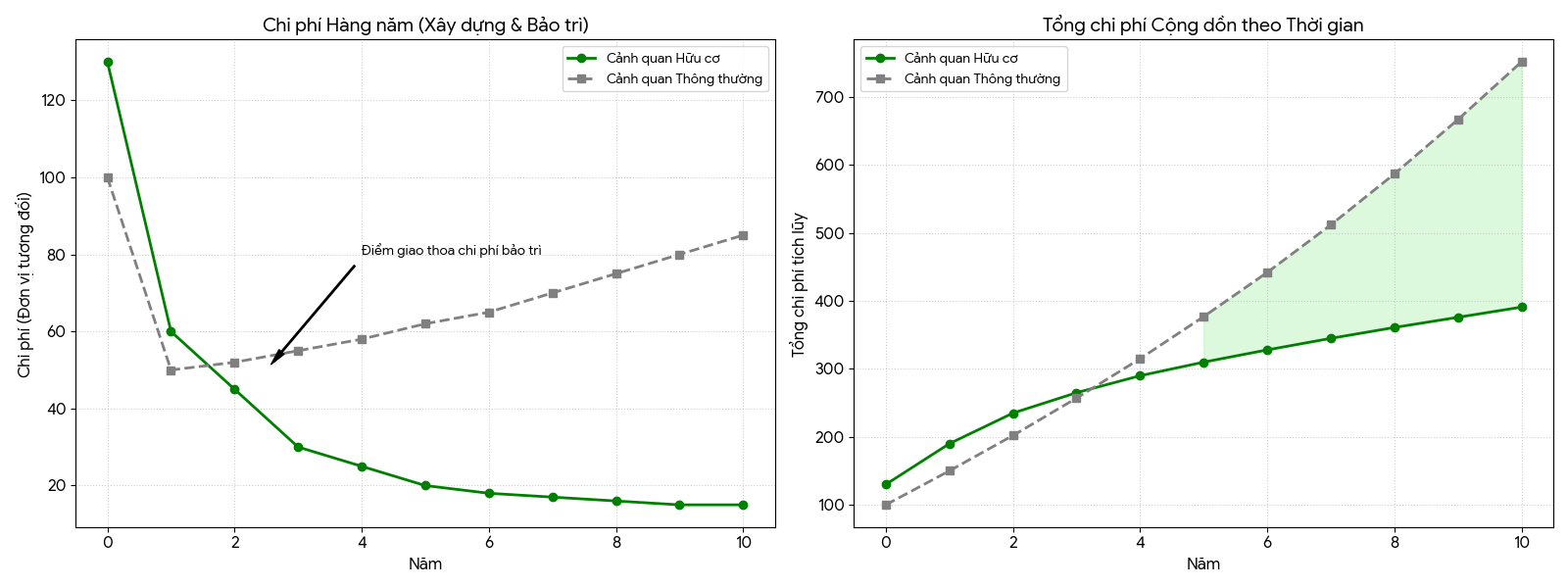
Comparing the Costs of Organic and Traditional Landscaping

The chart shows that the initial cost of organic landscaping is higher but decreases rapidly over the years, while traditional landscape Maintenance costs gradually increase. The total accumulated cost of the organic solution is therefore lower in the long term, demonstrating that this option is more expensive in the short term but more economically sustainable in the long run for the investor.

Explain the chart:

Annual Cost:

- Year 0 (Construction Phase): Organic landscaping costs are approximately 30% higher than conventional methods due to significant investment in soil improvement (microbial and organic) and the establishment of the initial ecosystem.

- Transition phase (Years 1-3): The maintenance costs of organic farming decrease significantly as plants begin to adapt and the soil becomes more fertile. In contrast, conventional methods have low initial maintenance costs but increase over time due to growing reliance on chemical fertilizers and pesticides (due to soil degradation).

- Stabilization phase (After year 4): Organic landscapes achieve a state of natural balance, requiring minimal intervention, resulting in very low operating costs.

Cumulative Cost:

- Break-even point: This occurs around the middle of Year 3 and Year 4. This is when the total cost of maintaining an organic landscape starts to fall below that of maintaining a conventional landscape.

- Long-term benefits: The savings gap (light blue area) widens over time, optimizing the budget and ensuring environmental sustainability.

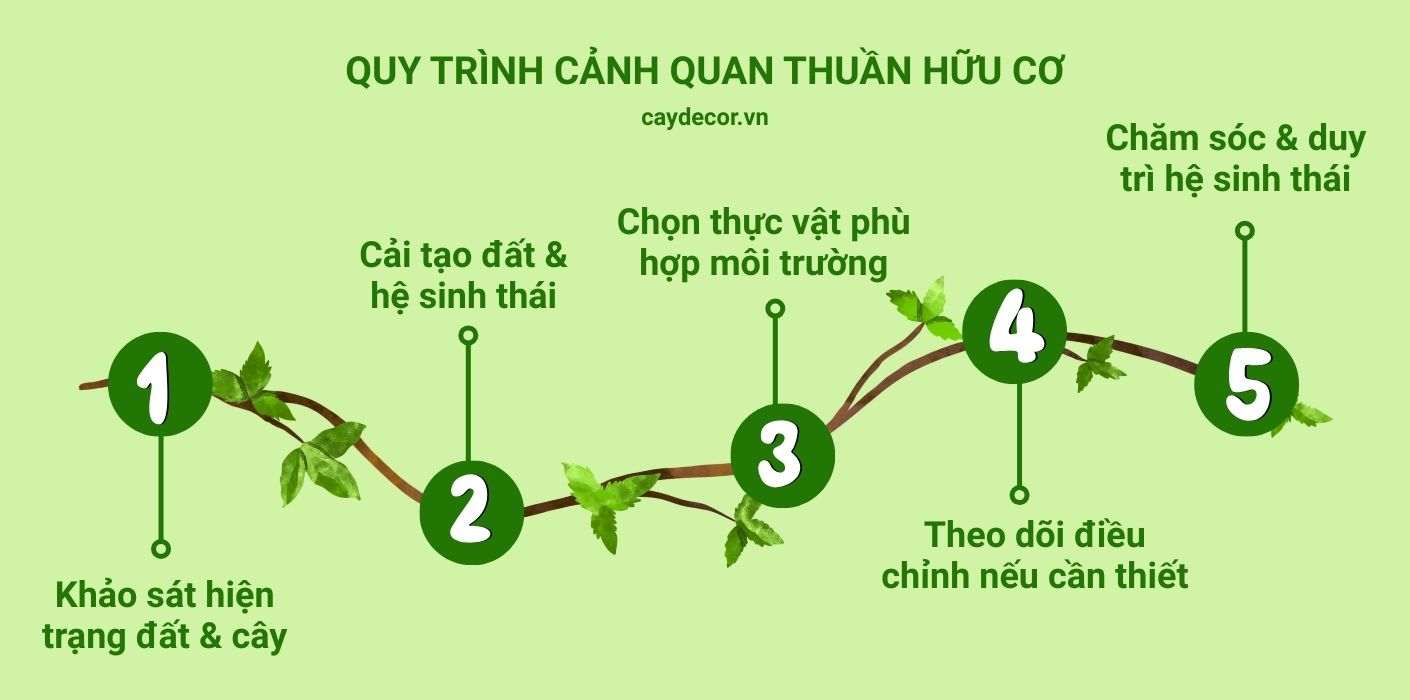
The process of creating a purely organic landscape.

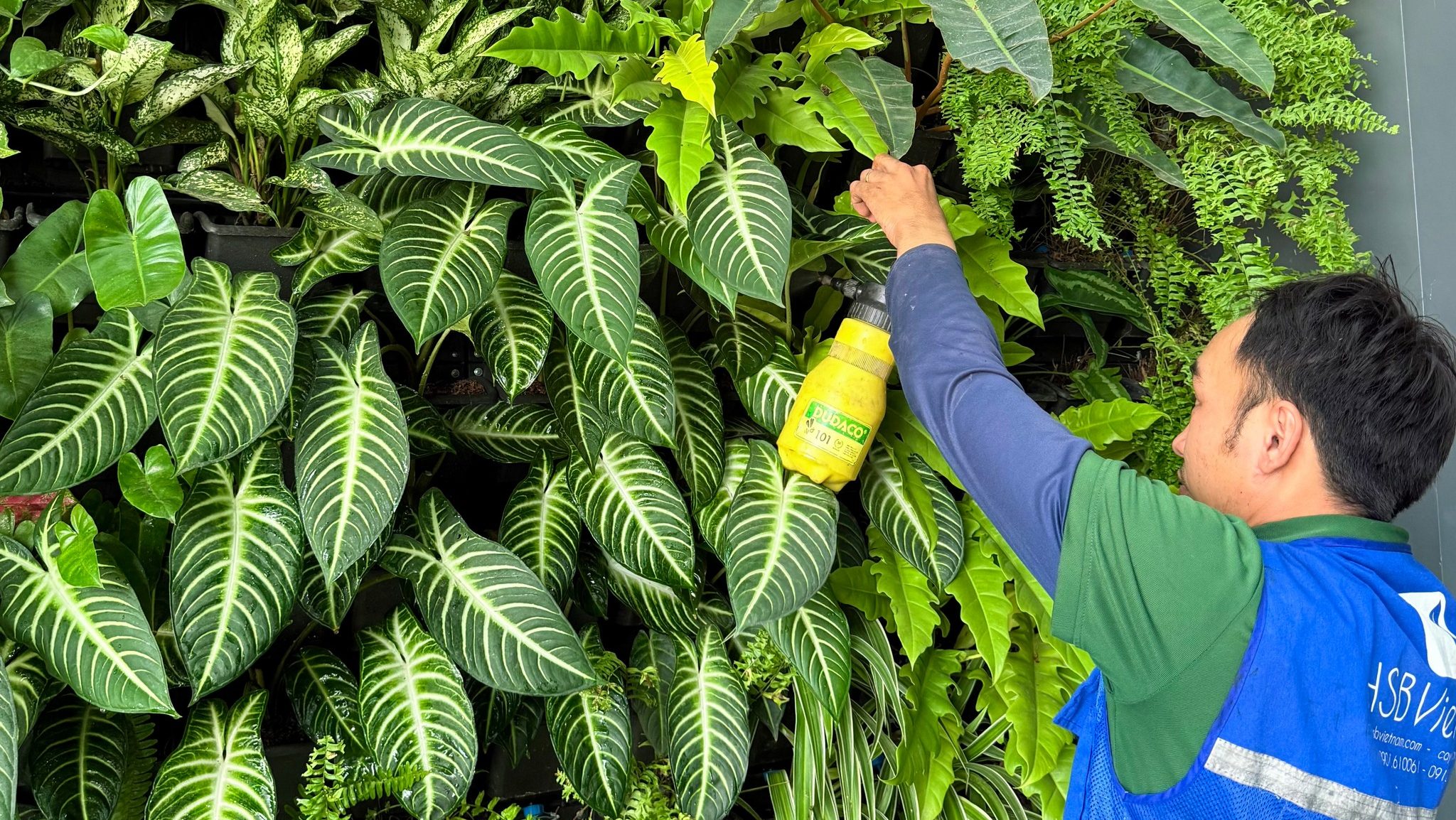
The process of creating a purely organic landscape begins with surveying the current state of the soil and plants, followed by soil improvement to restore the natural ecosystem. Next, suitable plants are selected for the environmental conditions, the landscape is constructed harmoniously, and finally, the ecosystem is cared for and maintained to ensure long-term sustainable development of the garden.

This type of construction is suitable for applying purely organic methods.

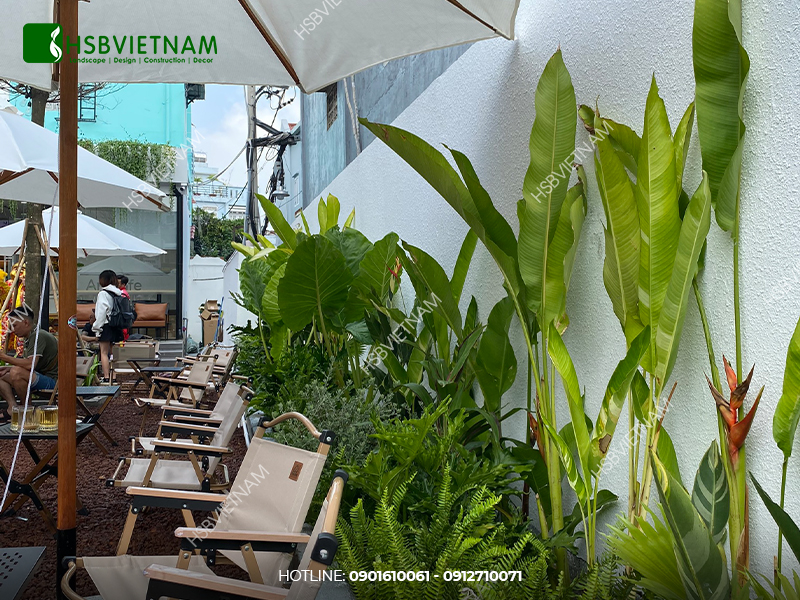
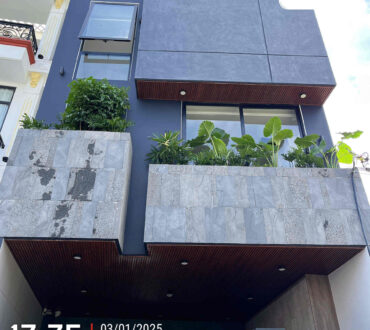
Purely organic landscape This method can be flexibly applied to various spaces, from townhouses and villas to resorts, homestays, and green urban areas. It is also suitable for schools, restaurants, garden cafes, parks, and public spaces where a safe, sustainable, and environmentally friendly green environment is needed, benefiting both people and the surrounding ecosystem.

Purely organic landscaping can be flexibly applied to many types of spaces.

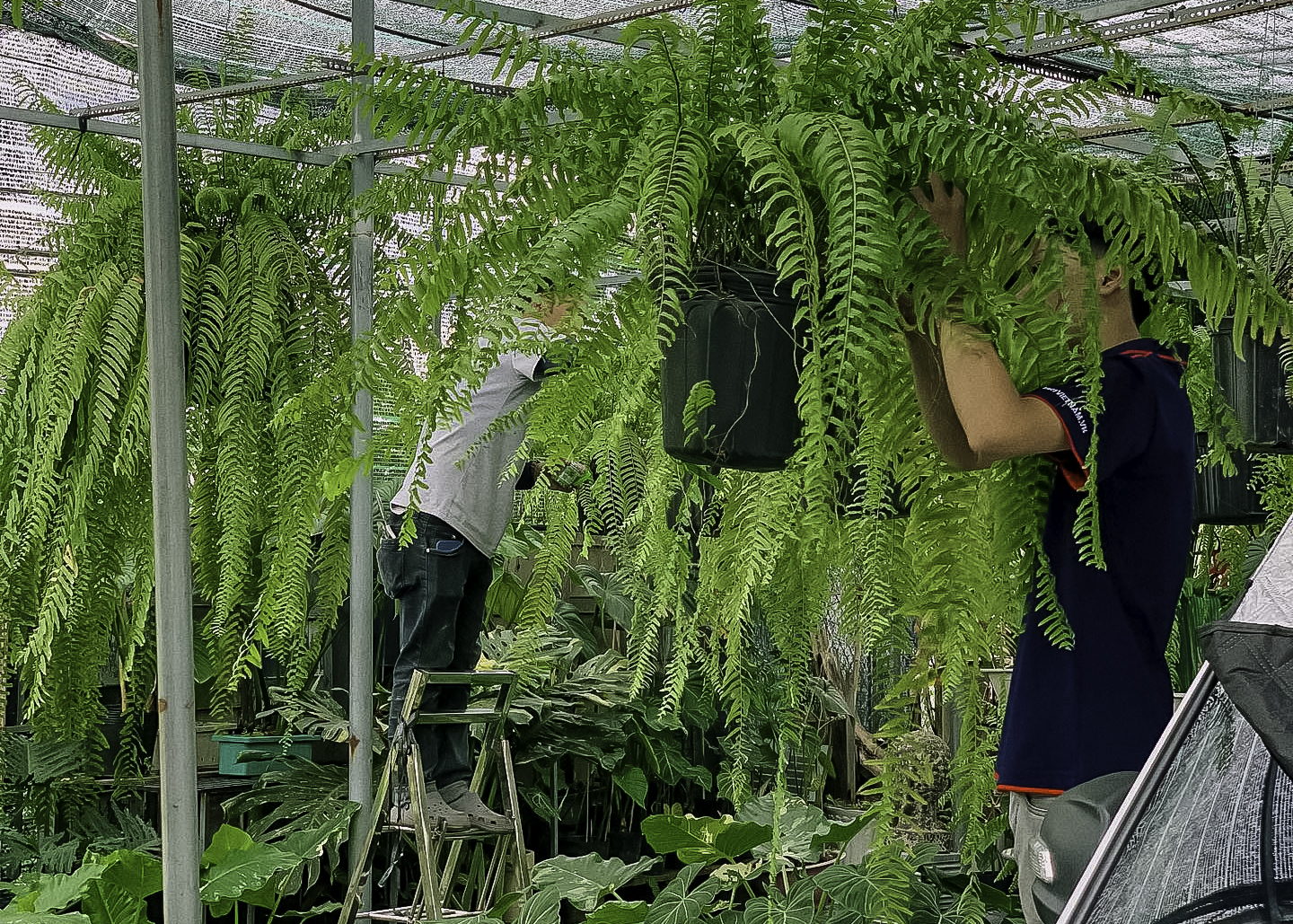
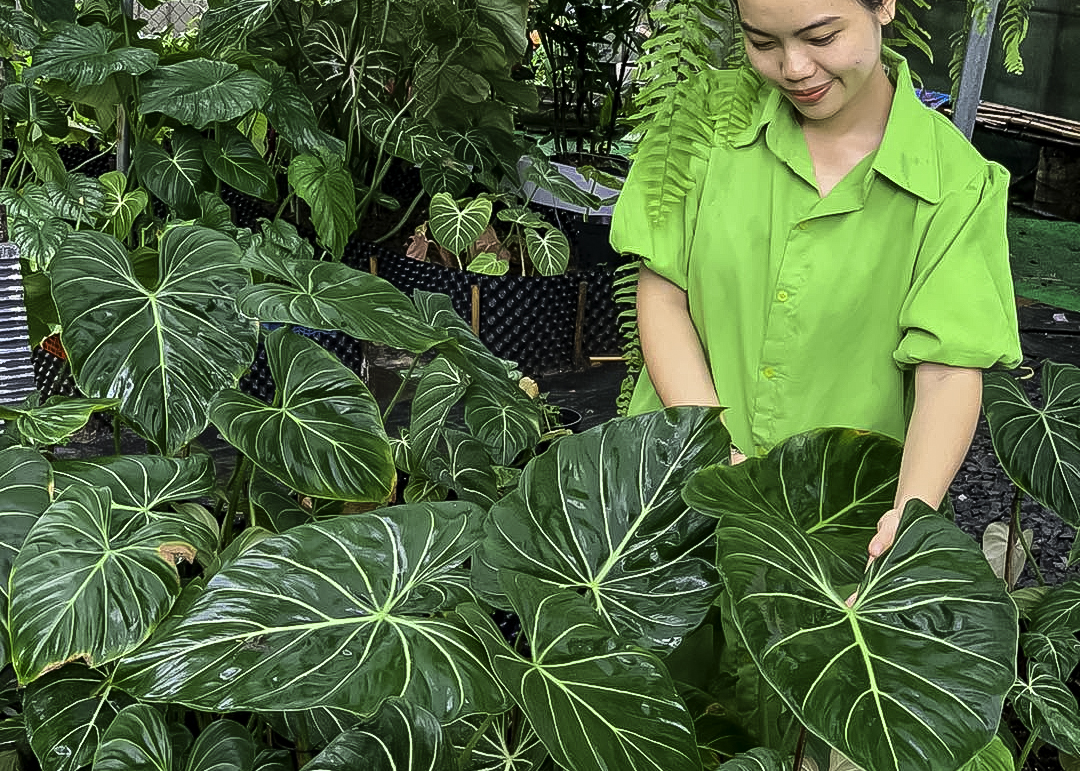
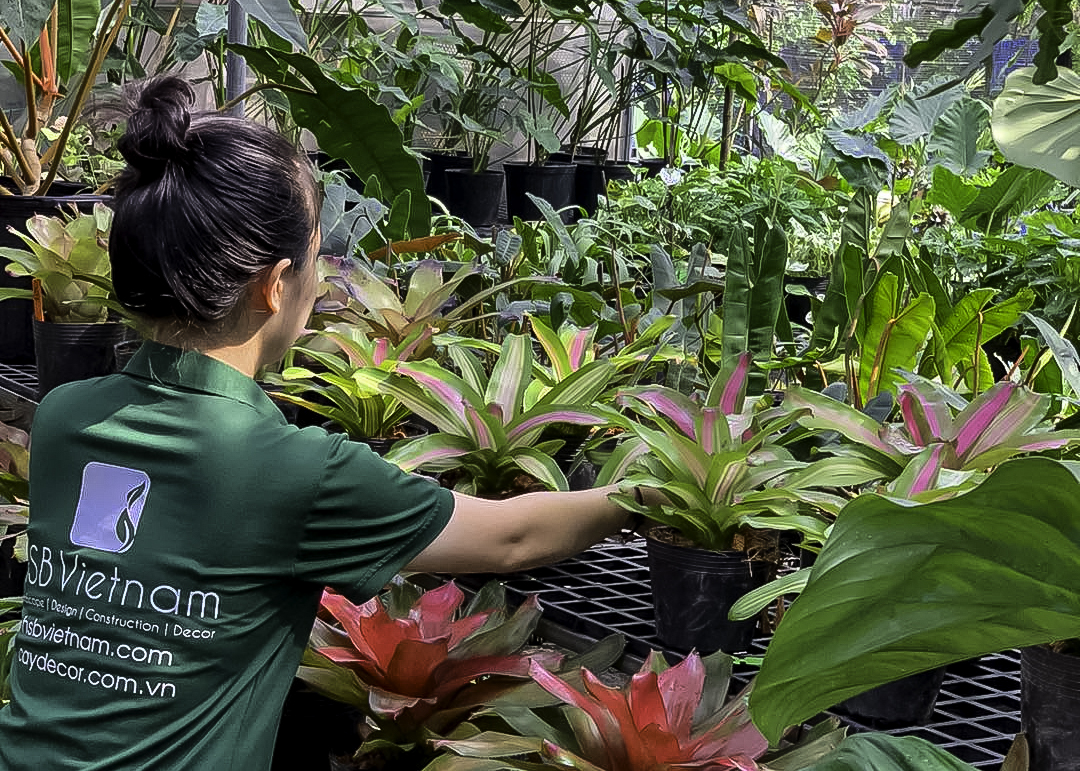
With a nursery located right in the heart of the city, Caydecor Landscape proudly offers fast and professional landscaping services. 


Having a diverse and readily available supply of high-quality greenery allows us to meet all customer requirements quickly and flexibly. This shortens construction time and ensures projects are always on schedule.

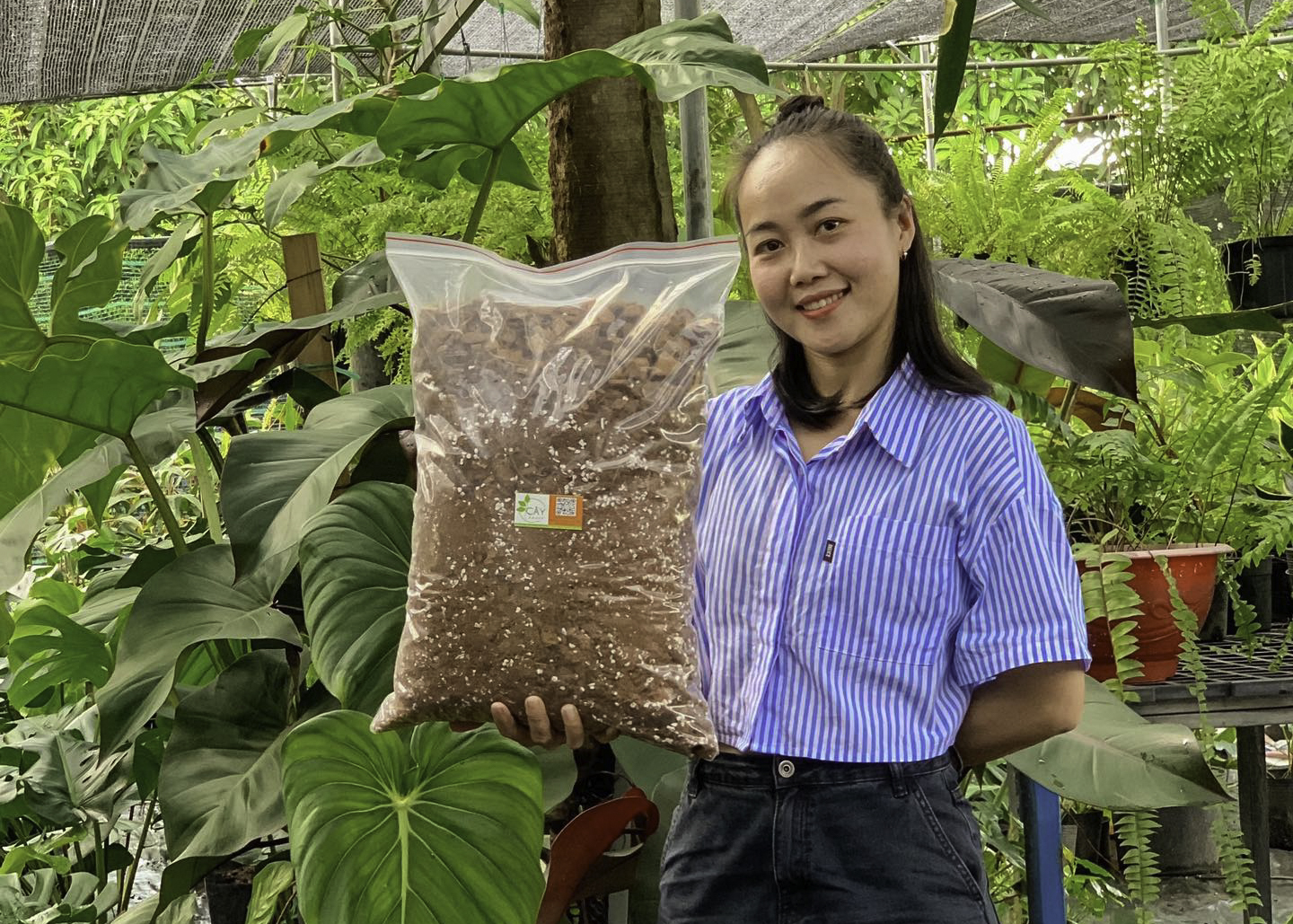
We are proud to be a supplier of high-quality coconut chunks and standard-compliant mineral stones.

With the advantage of having a readily available supply of clean growing media and landscaping materials, Caydecor We are committed to providing our customers with high-quality landscape care and maintenance solutions. Strict control over the entire process, from production and processing to distribution, ensures consistent, stable quality and long-term effectiveness for each project.

In particular, the coconut chunks supplied by Caydecor are meticulously processed, free of bitterness and safe, not only meeting high quality standards but also contributing to building a green, sustainable living environment for plants, in line with the 100% organic landscape care approach.