Taking care of a garden Fertilizing plants has always been a passion for nature lovers, and proper fertilization is one of the key factors in maintaining their vitality. However, fertilizing isn't always simple.
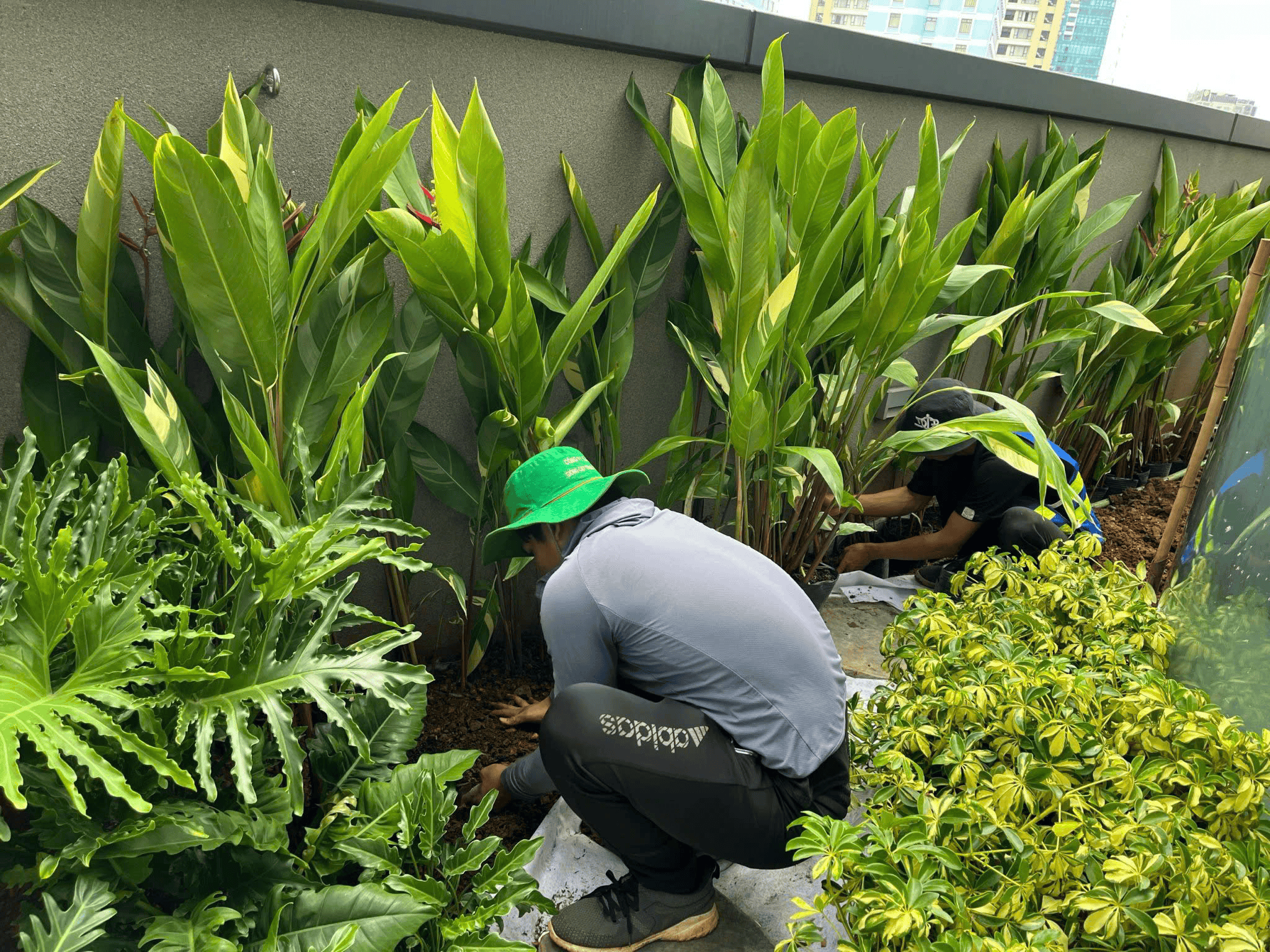
The question is: When should you fertilize your garden to ensure your plants thrive? Let's explore the principles and secrets of effective fertilization in the article below.
The ideal time to fertilize plants.
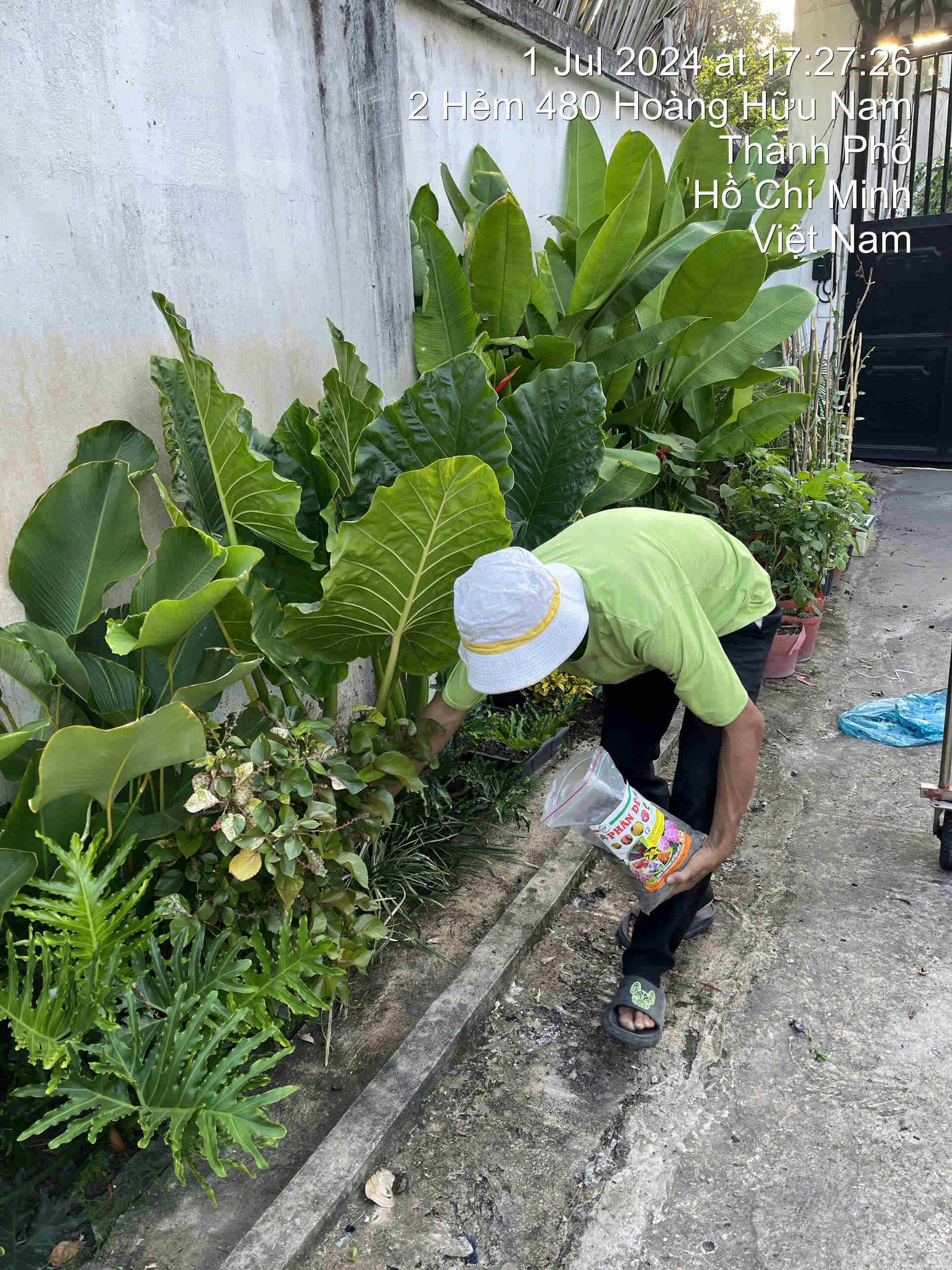
Applying fertilizer at the right time is one of the key factors determining plant growth. Applying fertilizer too early or too late can damage the plant or reduce the effectiveness of the fertilizer.
- Before applying fertilizerPlants need time to adapt to a new environment. Therefore, don't rush to fertilize immediately after planting. Let the plant grow for the first few weeks so that the root system can establish itself and begin to develop.
- The best timeThe ideal time to fertilize is during... spring or autumnThis occurs when the plant enters its vigorous growth phase. Spring is when the plant needs a lot of nutrients to produce leaves and flowers, while autumn is when the plant prepares for winter and needs nutrients to survive.
Fertilize the plants in the early morning or late afternoon.
Many people have a habit of fertilizing at midday, when the sun is strong, but this is not the optimal choice. Strong sunlight can cause fertilizers to evaporate quickly, preventing plants from absorbing nutrients. Furthermore, fertilizing during high temperatures can cause heat shock and hinder plant growth.
Apply fertilizer. morning or late afternoon When the outdoor temperature is cooler, this is when plants can easily absorb nutrients from fertilizers without being stressed by high temperatures.
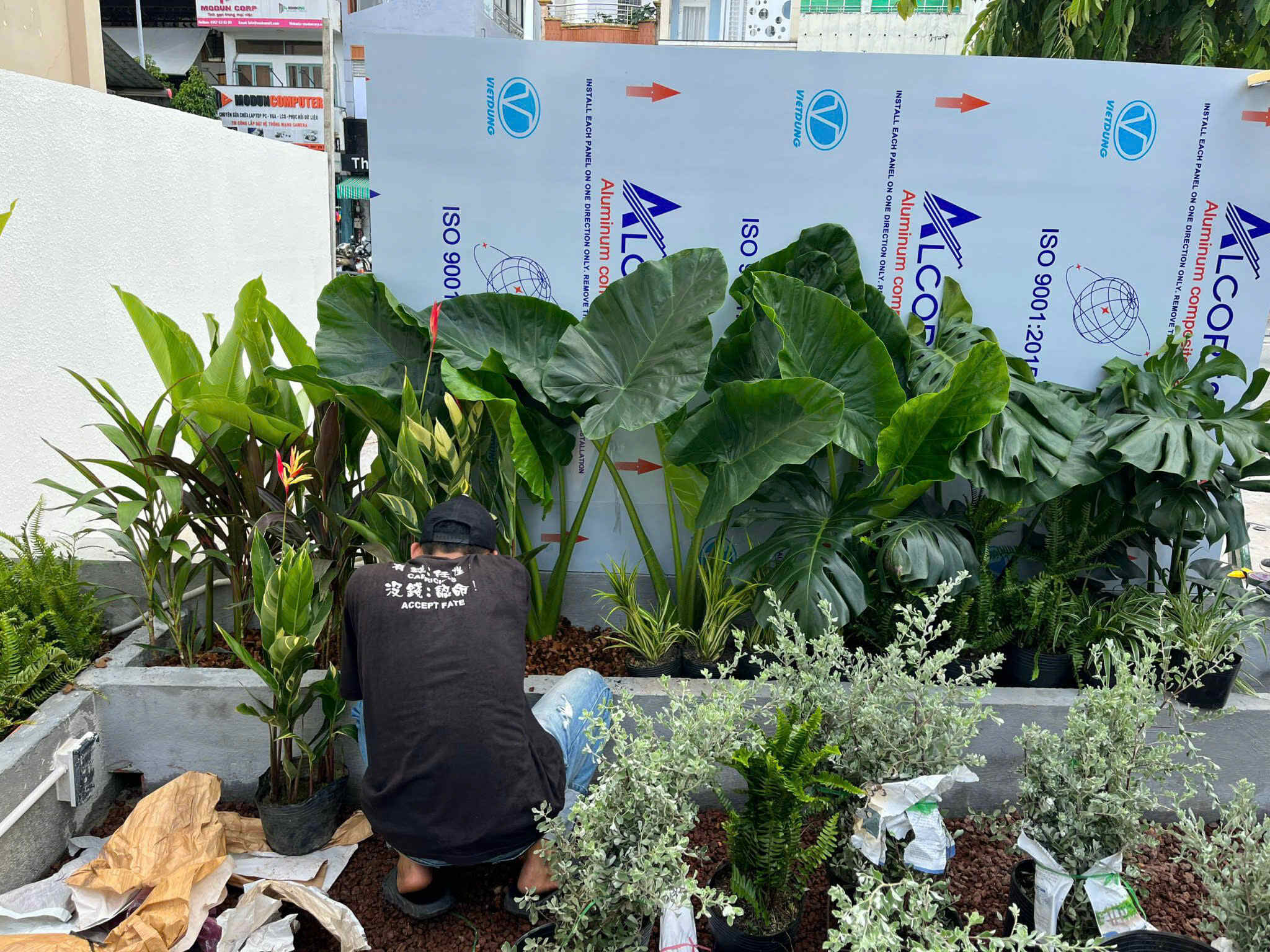
Choose the right type of fertilizer for each type of plant.
Not all fertilizers are suitable for all plants. Each plant has different nutritional needs, and choosing the right fertilizer will help it grow better.

- Organic fertilizer Plant-based composts such as leaf litter, treated manure, or worm castings are excellent choices for plants that require natural nutrients, helping to loosen the soil and improve moisture retention.
- Inorganic fertilizers (also known as chemical fertilizers) have a rapid effect and help plants absorb nutrients immediately. However, these fertilizers need to be used carefully to avoid "poisoning" the plants due to over-application.
If you're growing fruit-bearing plants like tomatoes, cucumbers, or peppers, use fertilizers rich in potassium and phosphorus to help them grow vigorously and produce delicious fruit. For ornamental plants, fertilizers high in nitrogen will help them develop lush green leaves.
Fertilizer should be added to the plants according to their different stages of growth.
Each plant has its own unique growth cycle. Therefore, the amount and type of fertilizer needed should be adjusted according to each stage of the plant's development.
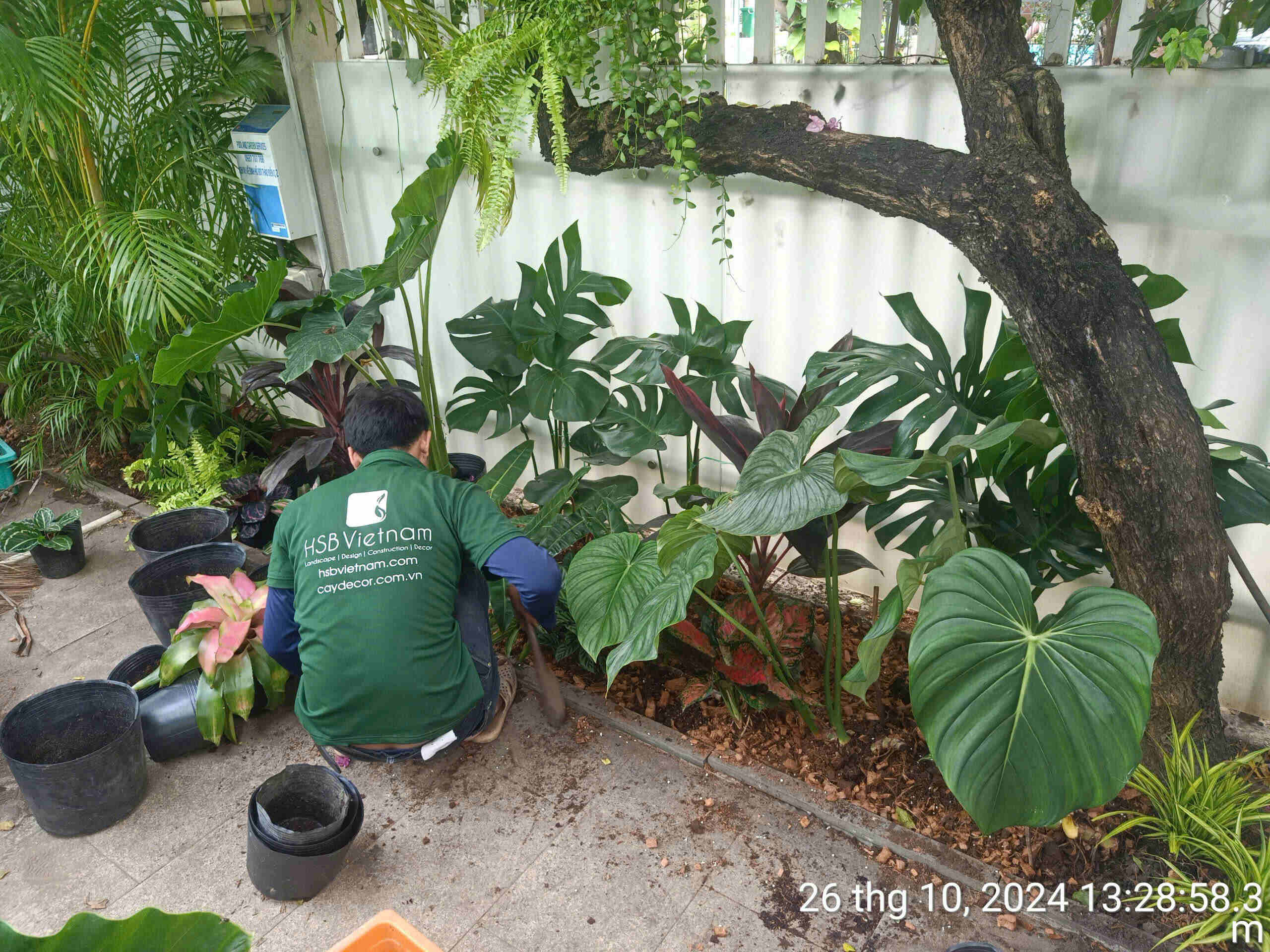
New planting stageIn the early stages, the plant needs very little fertilizer. You should only fertilize after the plant has started to develop new roots and grown a little. At this time, organic fertilizer or diluted liquid fertilizer will be more suitable.
Period of vigorous growthOnce the plant has grown and developed many leaves, it is necessary to increase the application of fertilizer rich in nitrogen to help the plant grow quickly and healthily.
Flowering and fruiting stageDuring this stage, the plant needs plenty of phosphorus and potassium to support flowering and fruiting, resulting in sweet and firm fruit.
Be careful not to over-fertilize the plants.
Although fertilizers are an indispensable element in plant care, over-fertilization However, it can also harm plants. Excess fertilizer increases the salt concentration in the soil, making it difficult for plants to absorb water and nutrients, and can even lead to plant death.
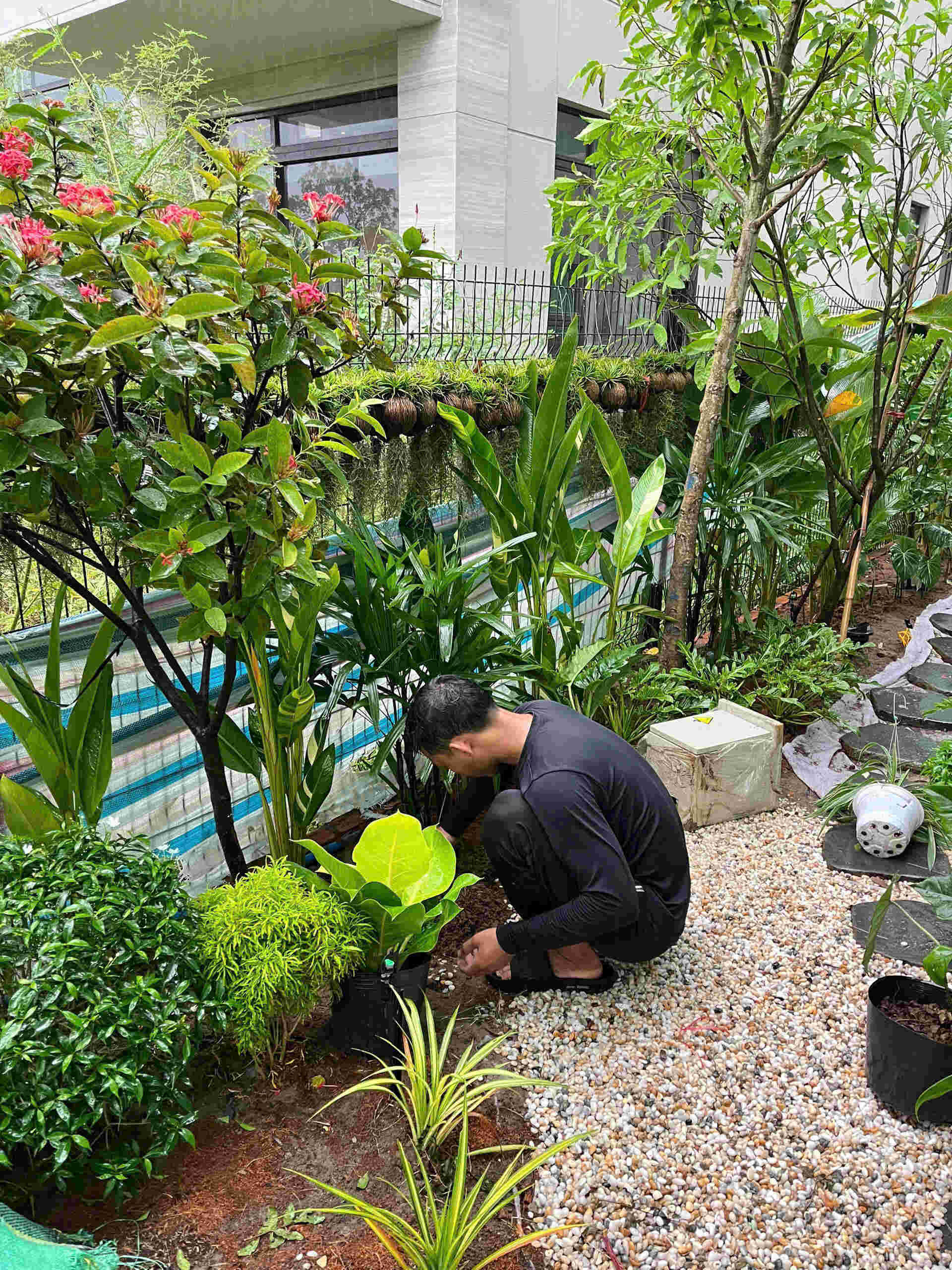
Only apply fertilizer at the recommended dosage and test the soil regularly to ensure it is not over-fertilized. Using organic fertilizers can minimize this risk because they release nutrients gradually.
Remember that, Caring for plants is an ongoing process.Proper fertilization is one of the most important factors in keeping your garden lush and green.
Wishing you a garden full of life and color!