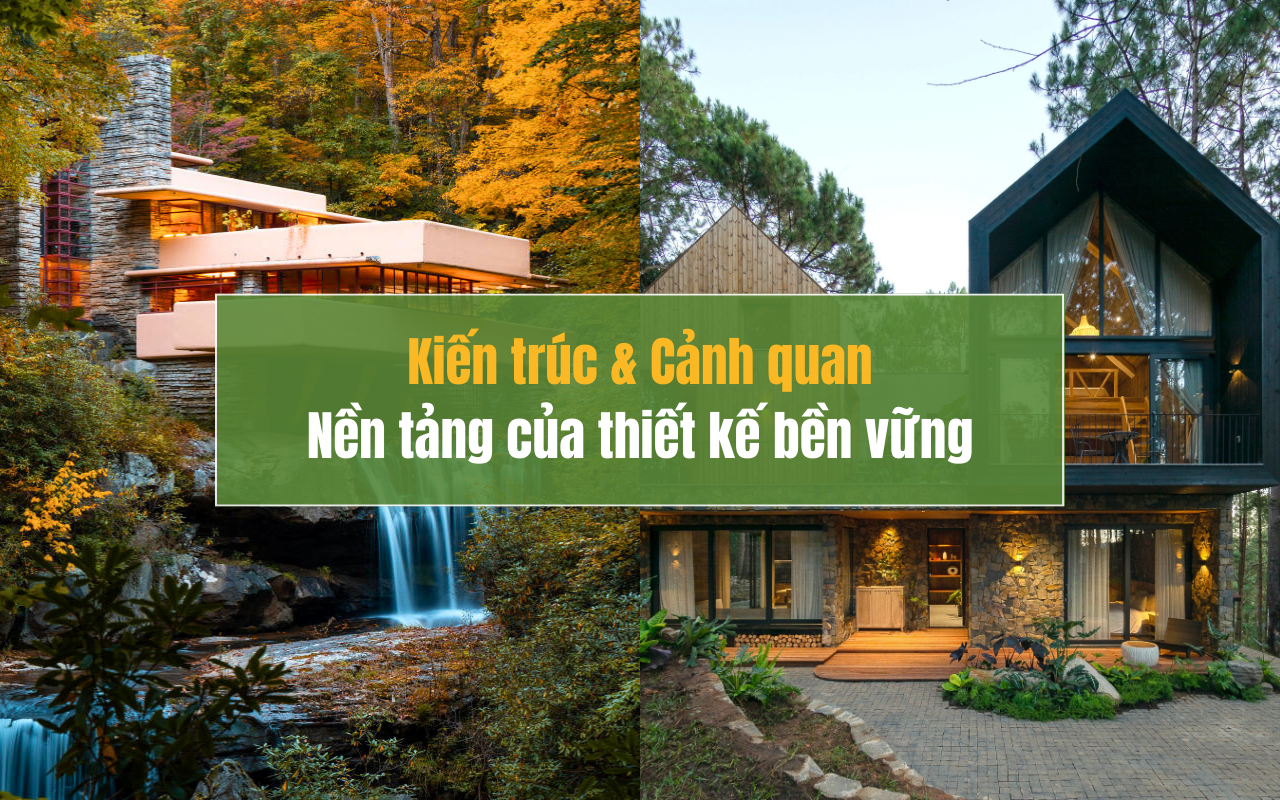
Although architecture and landscape design are often considered two separate fields, world-class and enduring structures demonstrate the perfect synergy between them. This profound and inseparable connection is also the core foundation of sustainable architecture in the new era.

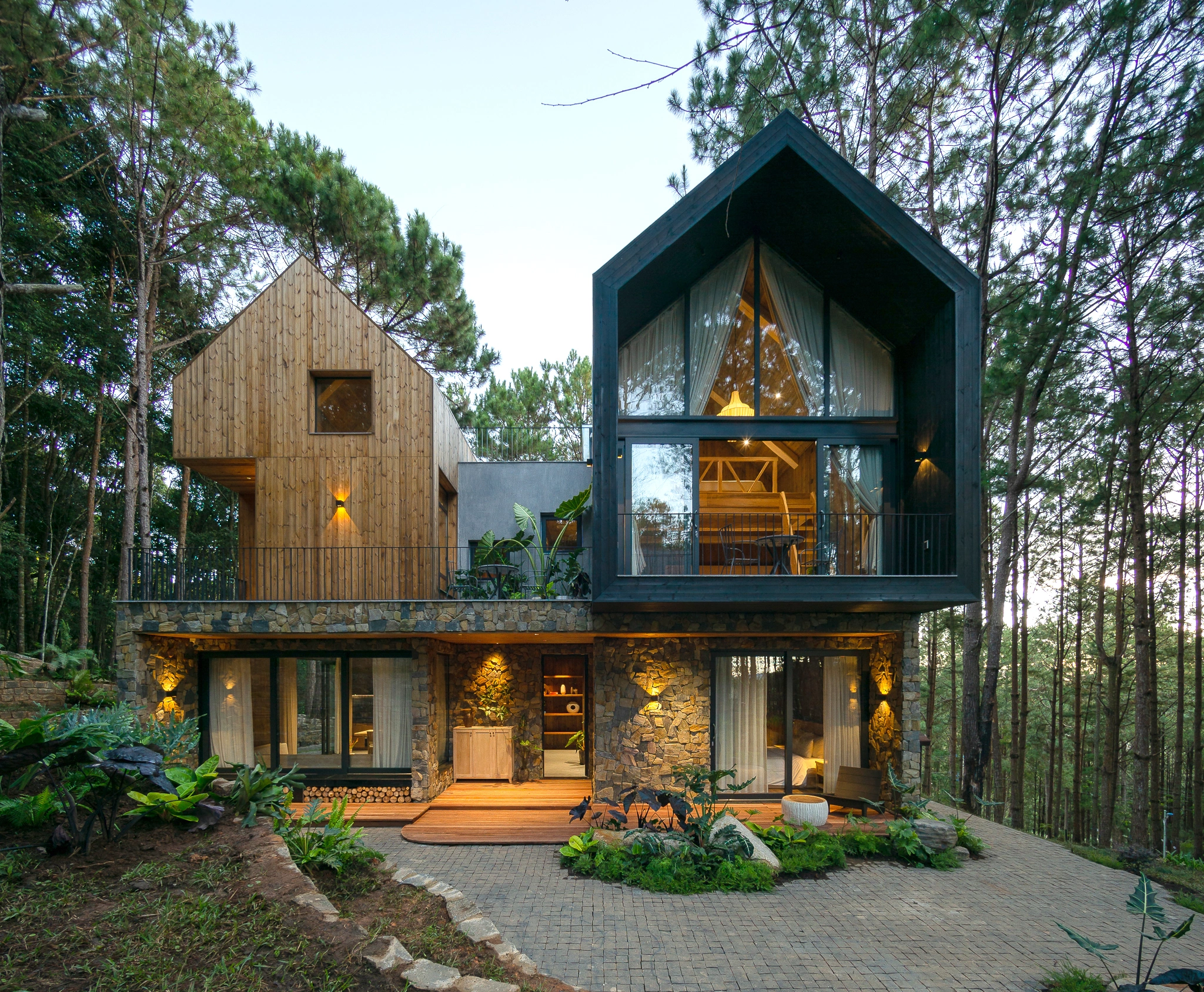

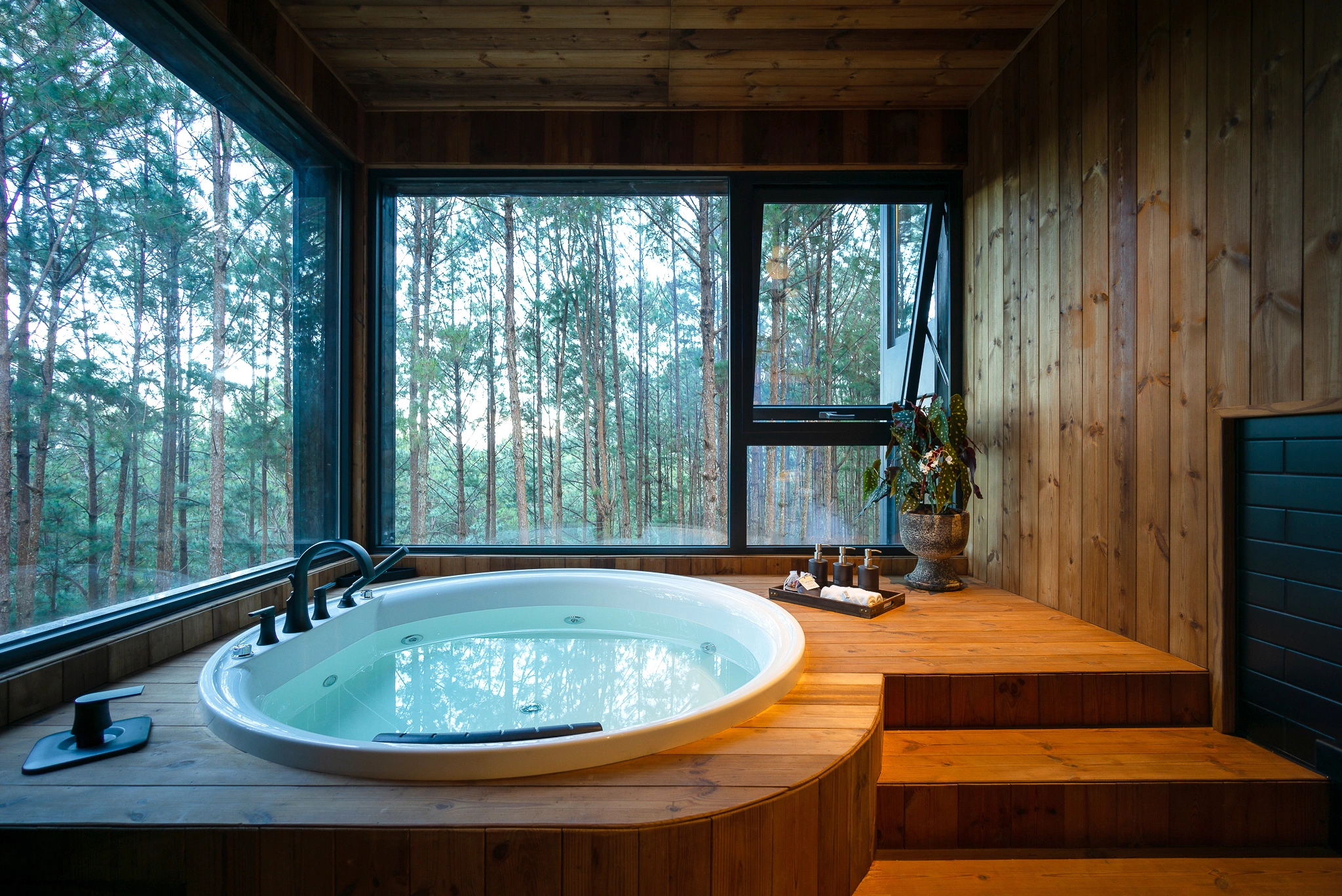
The wooden villa is built nestled amidst the pine forests of Da Lat, without affecting the existing landscape., To increase the connection between humans and nature.
Architecture and Landscape: Two Halves of a Whole
Architecture Architecture is not simply about construction. It is the art and science of organizing space, creating a solid framework, and shaping the function, form, and structure of a building. Architecture will determine how people move and live inside the building.
Landscape Landscape design is not limited to planting trees, gardening, or man-made landscaping. It encompasses both natural elements (topography, water bodies, vegetation) and man-made elements (pathways, light, materials) to create context, feeling, and connection between a building and its surrounding environment.
In other words, if architecture is the backbone, then the landscape is the flesh and soul of an architectural work.
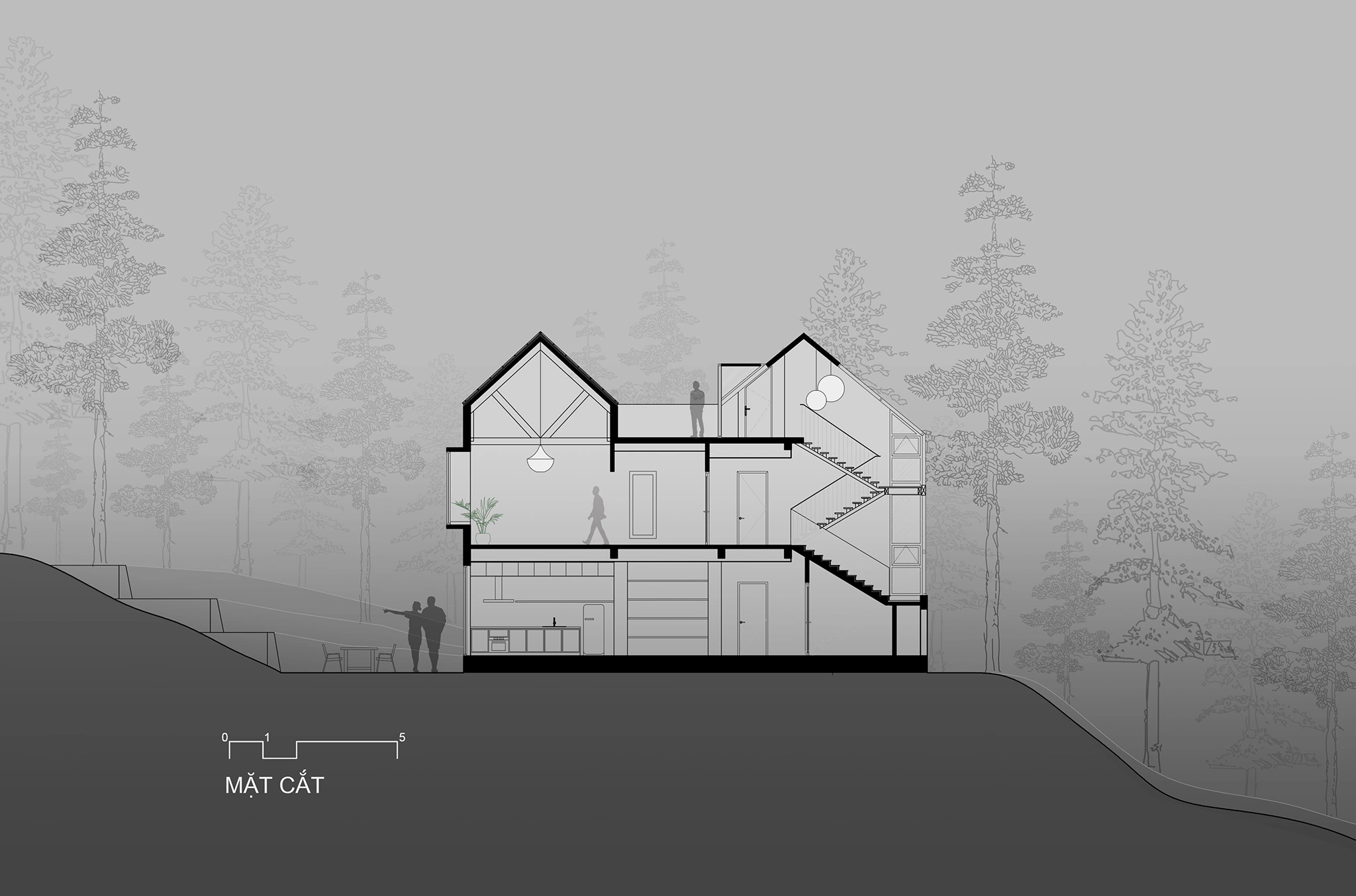

The relationship between landscape and architecture
The interaction between these two elements is multifaceted and complex, creating an indivisible whole.
1. Landscape is an extension of architectural space.
A successful design always seeks to blur the rigid boundaries between inside and outside. Landscaping is the most effective tool to achieve this, helping to expand the architectural space and connect it more closely with nature. A large glass wall overlooking the garden, a patio connecting the living room to the backyard, or a lush green balcony are all ways to bring the architecture outdoors and the landscape indoors, enriching the experience and artistic value of the living space.
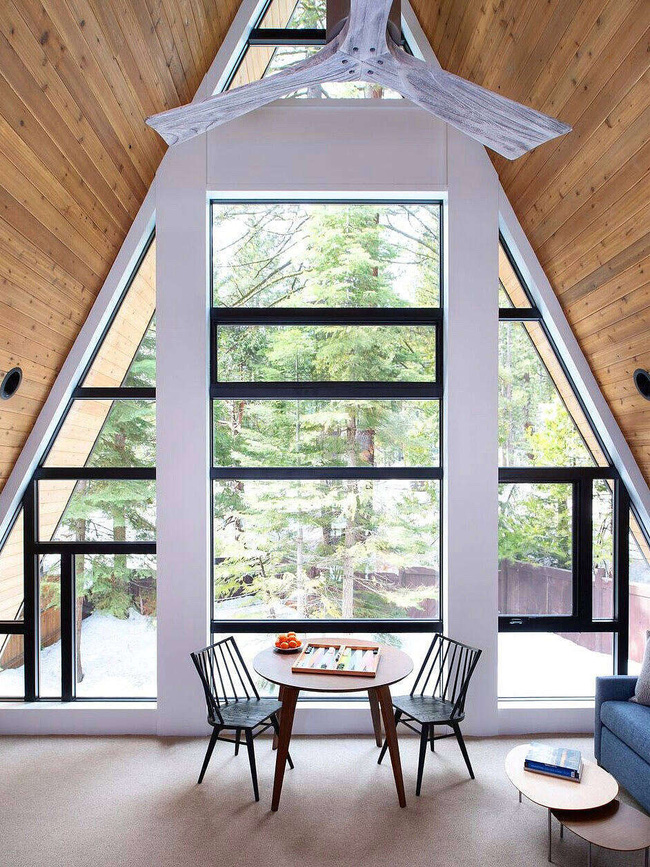
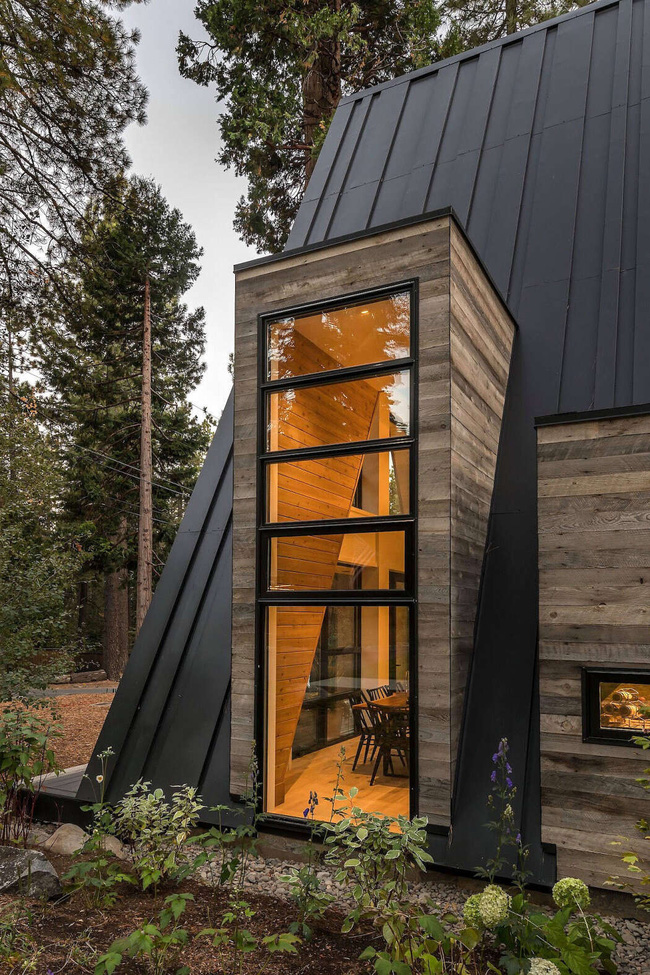
The building utilizes large glass panels to expand the interior living space, connecting it with the surrounding landscape and fostering a connection with nature.
2. Architecture that respects and draws inspiration from the context.
Instead of imposing a concrete structure on the terrain, a talented architect will allow the building to blend in with and respect the existing natural context. The building's form can mimic the contours of the surrounding natural landscape; building materials prioritize local stone and wood; and the orientation of the house is carefully calculated to capture cool breezes from the lake and avoid the harsh western sun. This respect for and harmony with nature creates a profound connection between the landscape and the architecture.
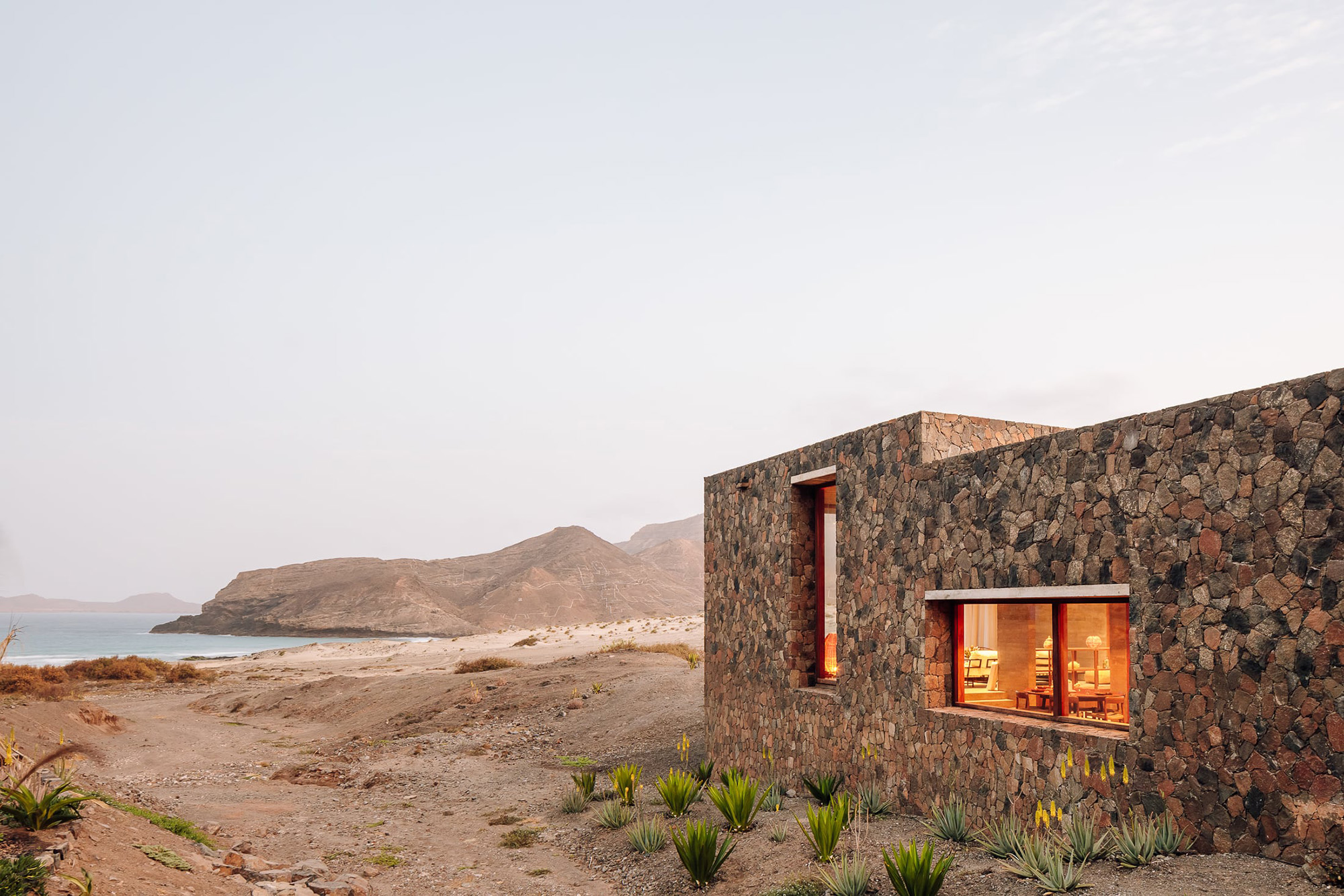
Barefoot Luxury Cabo Verde Villas features 12 villas with facades carved from local basalt stone, allowing each building to blend seamlessly into the surrounding rocky landscape and harmonize with the natural colors of the coastline.
3. Landscape complements the functionality of architecture.
Landscaping not only enhances the aesthetics of a building but also serves other important functions, helping the building operate more efficiently.
Microclimate control: The wide-canopied trees provide shade, reducing surface and air temperatures, naturally cooling the building. The lake and waterfall in front help increase humidity and cool the air.
Noise and pollution control: A green belt or a vertical wall of trees can act as a sound filter, reducing street noise and effectively absorbing fine dust.
Direction of travel: The pathways in the garden are designed to guide people to move in a logical and enjoyable way from one space to another.

Desert Rock Resort is built on granite mountains in Saudi Arabia. This unique design has minimal impact on the natural landscape while also reducing light pollution.
4. Creating a dynamic whole that changes over time.
The relationship between landscape and architecture is a living one. Architecture, inherently static, becomes more vibrant thanks to the changing landscape. The shadows cast by buildings on the lawn change throughout the day. The colors of the foliage change with the four seasons: spring, summer, autumn, and winter. The growth of trees over 5 or 10 years gives the structure a completely different appearance. It is this transformation that brings depth and endless interest to the living space.
The importance of harmonious integration between landscape and architecture.
Understanding and effectively applying the relationship between landscape and architecture yields immense value, far exceeding mere aesthetic appeal.
- Enhancing aesthetic and emotional value: Harmony creates an overall beauty that is profound and emotionally resonant, evoking a sense of peace and familiarity in the viewer.
- Optimizing the user experience: A living space that harmoniously blends indoor and outdoor spaces, convenience and nature, will provide comfort, convenience, and a healthy, positive living environment for its inhabitants.
- Promoting sustainable architecture: This is the core value. Utilizing the landscape for natural cooling, windbreaks, and rainwater management significantly reduces reliance on artificial energy sources (air conditioning, heating), contributing to resource conservation and environmental protection.
- Increase in economic value: Real estate projects, resorts, or office buildings that have made systematic investments in landscape design Architecture always has higher value, greater competitiveness, and builds a sustainable brand. Creating such a harmonious and effective overall design requires serious investment and high expertise. This is where the role of a professional and reputable landscape design service becomes crucial, helping to transform vision into reality completely.
These projects perfectly blend architecture and landscape.
1. Gardens by the Bay – Singapore
Gardens by the Bay This is a remarkable project, combining high-tech architecture with large-scale man-made landscapes. The "Supertrees" structures not only serve as vertical gardens but also integrate sustainable functions such as solar energy harvesting and rainwater harvesting.


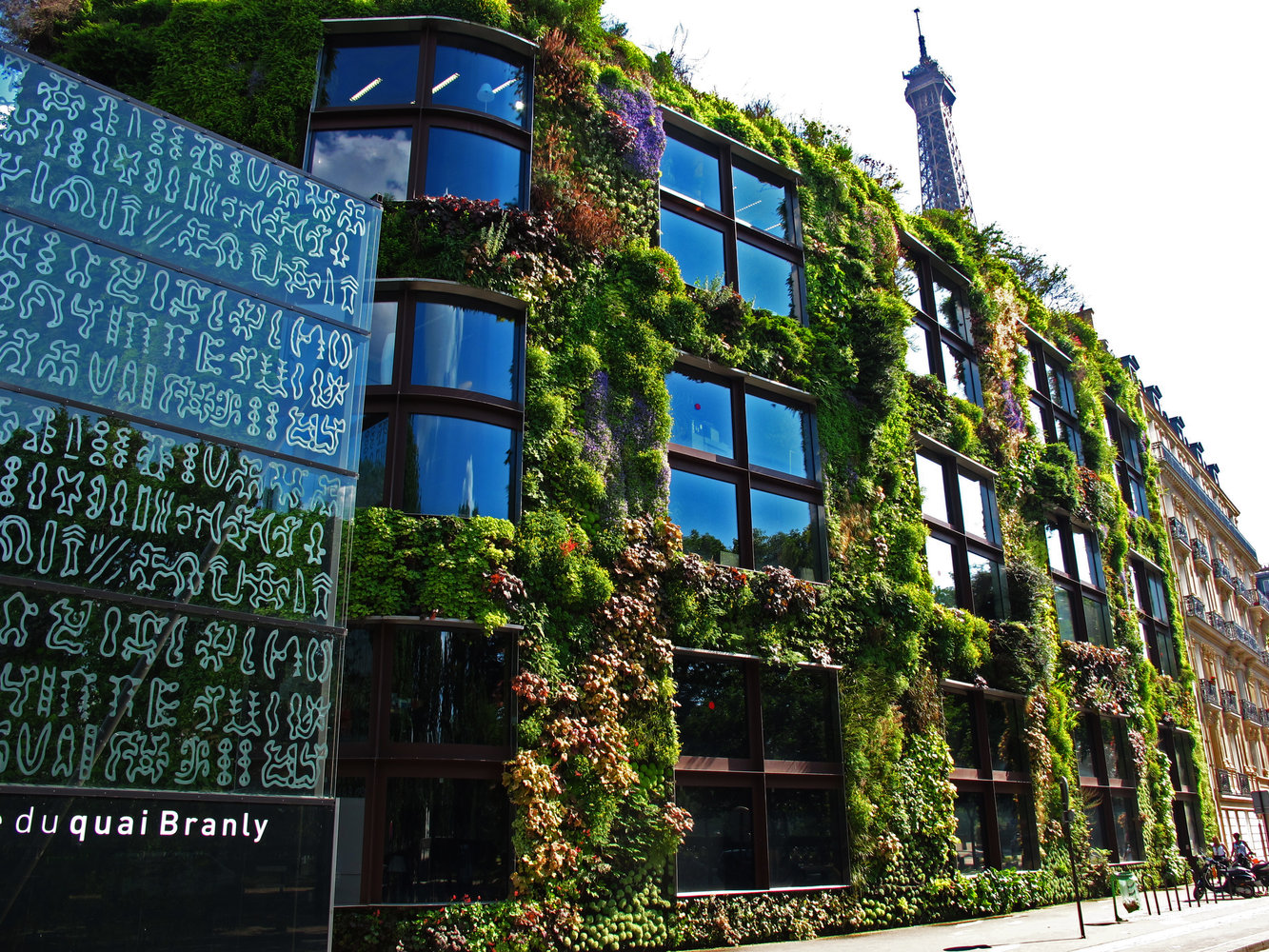
2. Quai Branly Museum – France
Designed by architect Jean Nouvel, the most striking feature of the integration between architecture and landscape is the 800m² vertical garden, a vibrant facade of the building. This wall is not merely an added decorative element, but an integral part of the architecture, helping the building blend into the surrounding garden and creating a natural shell for the museum.
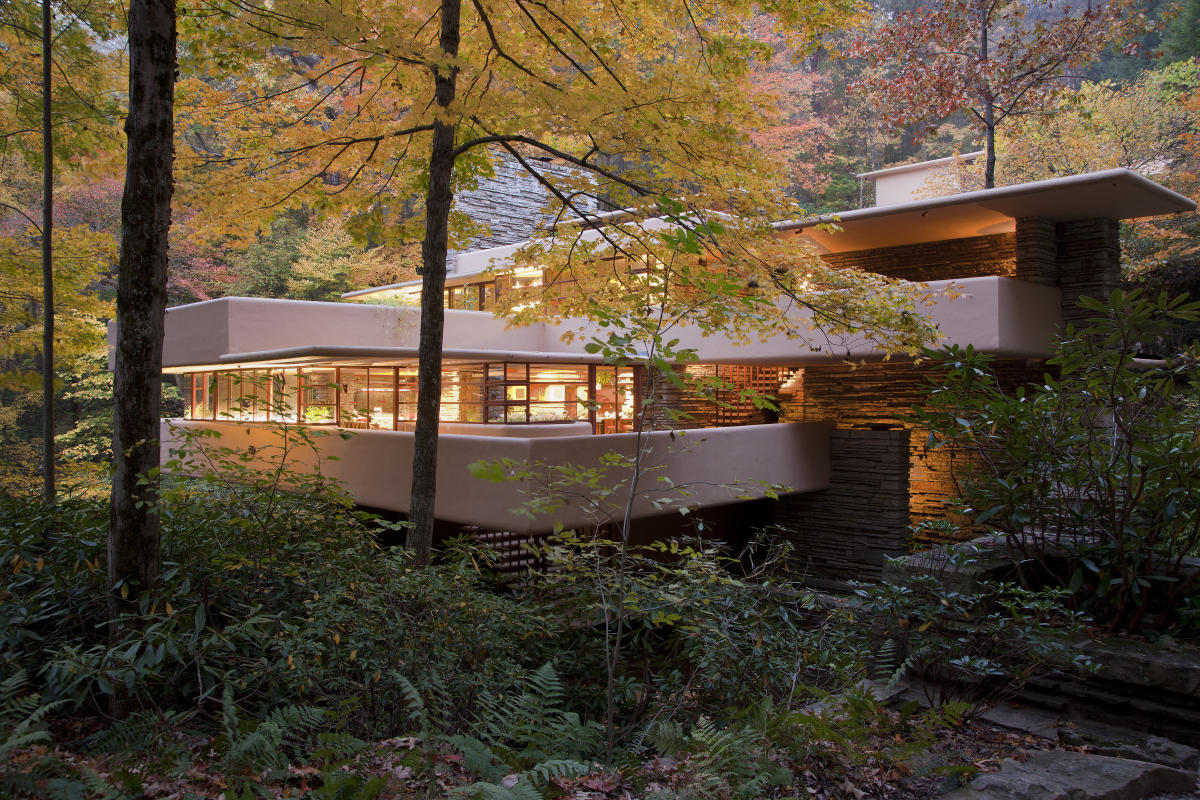
3. Fallingwater (Villa on the Waterfall) – USA
Frank Lloyd Wright's masterpiece is the most exemplary example of the harmonious blend of architecture and landscape. Instead of being built alongside, the structure rises majestically on top of the waterfall, allowing people to live in harmony with the sounds and vitality of the water. The architecture not only respects but also integrates with the landscape, becoming an inseparable part of the natural environment.