For decades, chemical fertilizers have become an important part of modern agriculture. Thanks to their ability to quickly supply essential nutrients such as nitrogen, phosphorus, and potassium, these fertilizers help crops grow faster, increase yields, and meet the growing food demands of the global population. Therefore, chemical fertilizers are widely used in many farming models, from small-scale to industrial agricultural production.
However, alongside the benefits in terms of productivity, the long-term or inappropriate use of chemical fertilizers can also cause many negative impacts. Environmental and agricultural studies have shown that chemical fertilizers can affect soil structure, degrade the microbial ecosystem, pollute water sources, and impact human health.
1. Degradation of soil structure and fertility.
Soil is the foundation of all farming activities. Not only is it the environment for plants to take root, but soil is also a complex ecosystem containing millions of microorganisms that play a vital role in decomposing organic matter, regenerating nutrients, and maintaining biological balance.

When chemical fertilizers are used continuously for a long period, especially at high doses, the mineral salt compounds in the fertilizer can alter the chemical structure of the soil. This causes the soil to gradually lose its ability to self-regulate and recover naturally.
The soil has become compacted and its porosity has decreased.
Some types of chemical fertilizers contain salt ions such as sodium (Na⁺), ammonium (NH₄⁺) or potassium (K⁺)When these ions accumulate in the soil at high concentrations, they can displace essential cations such as calcium (Ca²⁺) and magnesium (Mg²⁺) in the soil colloid structure.
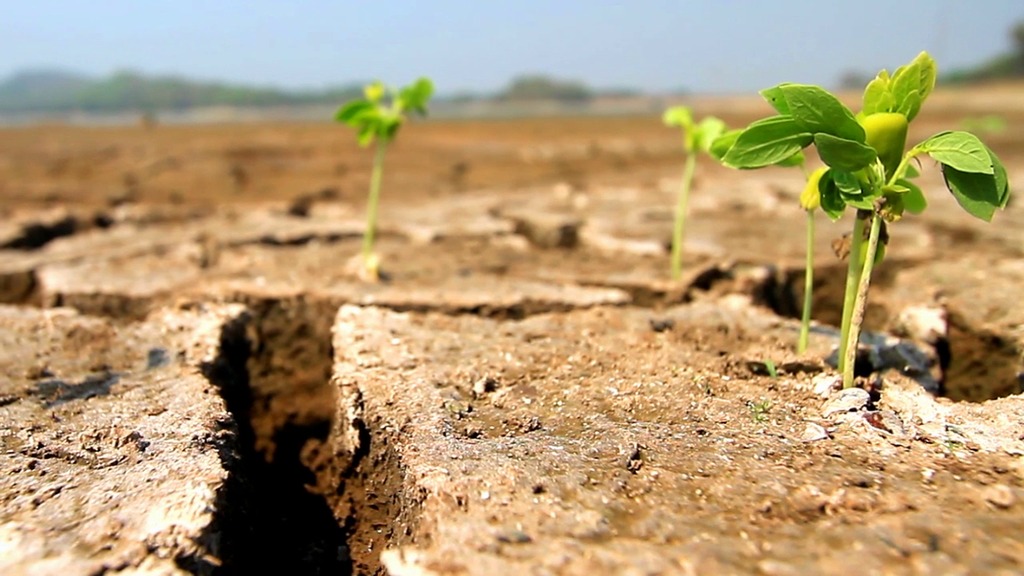
This process causes soil particles to gradually lose their natural cohesion and become easily compacted. Over time, the soil can become:
- Poorly porous and poorly draining
- reduced ventilation
- lower water retention capacity
When soil is compacted, plant roots struggle to grow deep enough to reach water and nutrients. This makes plants more susceptible to stress during harsh weather conditions and reduces long-term yields.
Reduce the organic matter content in the soil.
Chemical fertilizers provide "instant" nutrients but contain absolutely no organic matter. When farmers neglect to apply manure and green fertilizers, the humus content in the soil will be depleted.
Destroying beneficial microorganisms: Highly acidic fertilizers (such as ammonium sulfate) cause abrupt changes in soil pH. This kills or eliminates beneficial microorganisms such as nitrogen-fixing bacteria, symbiotic fungi (mycorrhizae), and earthworms, rendering the soil biologically "dead soil."
Losing the "nutritional magnet": Humus acts like a magnet, retaining minerals and preventing them from being washed away. Without humus, fertilizers are quickly washed away by water, leading to economic waste and environmental pollution.
2. Causing water pollution
One of the most serious environmental problems associated with chemical fertilizers is water pollution. This occurs when excess nutrients in fertilizers are washed away from the soil and enter river systems, lakes, or groundwater.

The most easily polluting compounds are nitrate (NO₃⁻) and phosphate (PO₄³⁻)because they are highly soluble and move easily in water.
Eutrophication
When nitrogen and phosphorus levels in water increase, algae and aquatic plants can experience explosive growth. This phenomenon is known as hypertrophic retinopathy. eutrophication.
The overgrowth of algae leads to:
- Light has difficulty penetrating to the bottom of the water.
- Dissolved oxygen in water decreased sharply.
- Many species of fish and aquatic organisms died.
In many agricultural areas around the world, eutrophication has turned lakes and rivers into "dead zones," where aquatic ecosystems have been severely degraded.
Groundwater pollution
Nitrates are a highly mobile form of nitrogen. When they seep deep into the soil, nitrates can enter groundwater. If humans consume water containing high levels of nitrates over a long period, these compounds can be converted into nitrites in the body and affect the blood's ability to transport oxygen.
3. Increased greenhouse gas emissions
Chemical fertilizers not only affect soil and water but are also directly linked to climate change.
In the soil, microorganisms can transform nitrogen through various biological processes. When the soil contains too much nitrogen fertilizer, this process... nitrification and denitrification can produce gas Nitrous Oxide (N₂O)This is a very potent greenhouse gas. According to many environmental studies, N₂O has a much higher heat-trapping capacity. more than 250 times that of CO₂ over a period of 100 years.
Furthermore, the industrial production of nitrogen fertilizers also consumes large amounts of fossil fuels. The Haber–Bosch process used to synthesize ammonia requires large quantities of natural gas and electricity, making the fertilizer industry a significant source of carbon emissions.
This shows that the use of chemical fertilizers not only affects the local environment but also contributes to global climate problems.
4. It weakens the natural resistance of plants.

Another impact of chemical fertilizers is their effect on the biological structure and resilience of plants. When plants are supplied with large amounts of nitrogen, their growth rate can increase very rapidly. Plants often develop strong stems and leaves, creating a lush and vibrant appearance. However, this growth is sometimes merely "rapid growth" rather than sustainable development.
Weaker cell structure
Excess nitrogen can cause plant cells to grow faster but with thinner cell walls. This makes the plant more vulnerable to: sucking insects, fungal diseases, and harmful bacteria. When pests and diseases appear, growers often have to use additional pesticides to control them. This can create a chain of chemical dependence in agricultural production.
Nutritional imbalance
Conventional fertilizers (NPK) focus on only three main elements. Meanwhile, plants need more than 16 different elements to develop a complete immune system. Ignoring elements like Zinc (Zn), Boron (B), Magnesium (Mg), Copper (Cu), etc., prevents plant enzymes from functioning effectively. The plant may look healthy and green, but its ability to withstand harsh weather conditions (severe cold, intense heat) is extremely poor.
5. Effects on human health
The ultimate impacts of chemical fertilizers extend beyond the environment, directly affecting human health.
Nitrate residue in food
Some vegetables, especially leafy vegetables, can accumulate nitrates when fertilized with high amounts of nitrogen. If harvested immediately after fertilization, the nitrate levels in the vegetables may exceed safe levels.
When ingested, nitrates can be converted into nitrites and form nitrosamine compounds. Some studies suggest that these compounds are linked to an increased risk of gastrointestinal cancer.
Reduced nutritional value of agricultural products.
Some nutritional studies suggest that plants grown in environments rich in chemical fertilizers may contain fewer naturally occurring bioactive compounds.
Compounds such as flavonoids, polyphenols, and antioxidants play a crucial role in protecting the body from chronic diseases and boosting the immune system.
6. Current trends in purely organic landscape care.
Given the negative impacts of the overuse of chemical fertilizers, many agricultural and landscape experts are now turning to plant care methods that prioritize sustainable practices. sustainable and environmentally friendlyOne of the prominent trends in recent years is organic landscape care.

Unlike farming methods that rely heavily on synthetic chemicals, organic landscape care focuses on: improve soil ecosystemsThis enhances the activity of beneficial microorganisms and creates favorable conditions for plants to grow naturally. As a result, plants not only grow more steadily but also have better resistance to unfavorable environmental conditions.
Use organic substrates to improve soil structure.
In modern landscape systems, the use organic substrate It is becoming an important solution for improving soil quality and reducing reliance on chemical fertilizers.
Some common types of growing media currently available include:
Coconut chunks (coconut husk chips)

This material is made from processed coconut shells. Coconut husks have good moisture retention while still ensuring aeration for plant roots. When used in soil, coconut husks help improve soil structure, reduce compaction, and create a favorable environment for microbial growth.

Perlite is a naturally occurring mineral that is heated to high temperatures to form a lightweight, porous structure. In landscaping and ornamental plant cultivation, perlite is often mixed into the soil to:
- Increase soil aeration.
- improve drainage
- Reduce root rot.
Thanks to its lightweight and stable properties, perlite is particularly suitable for landscape areas where ensuring good aeration for plant roots is essential.
Other types of organic materials
In addition to coconut coir and perlite, many organic landscaping systems also use other materials such as:
- organic humus
- pine bark
- burnt rice husk
- natural compost
These materials help increase the humus content in the soil, improve water retention, and provide a stable source of nutrients for plants over the long term.
Creating a healthy soil ecosystem
One of the key objectives of organic landscape care is building a healthy soil ecosystemWhen soil is rich in organic matter and beneficial microorganisms, plants can absorb nutrients more efficiently and reduce their reliance on chemical fertilizers.
A balanced terrestrial ecosystem offers many benefits, such as:
- improve the soil's water retention capacity.
- increase natural fertility
- Reduce pest and disease damage to crops.
- It helps the plant grow steadily and sustainably.
Therefore, many current landscape projects – especially those eco-urban area, resort and garden villa are gradually shifting to using methods Caring for plants using purely organic methods.
Conclude
Chemical fertilizers play a crucial role in increasing agricultural productivity, but overuse can have many negative impacts on soil, the environment, and human health. Therefore, the current trend is towards Combining proper nutrition management with sustainable landscape care practices..
In particular, the use of organic substrates such as coconut coir, perlite, and other natural organic materials is becoming an effective solution to improve soil quality, support the development of microorganisms, and create conditions for healthier plant growth in the long term.