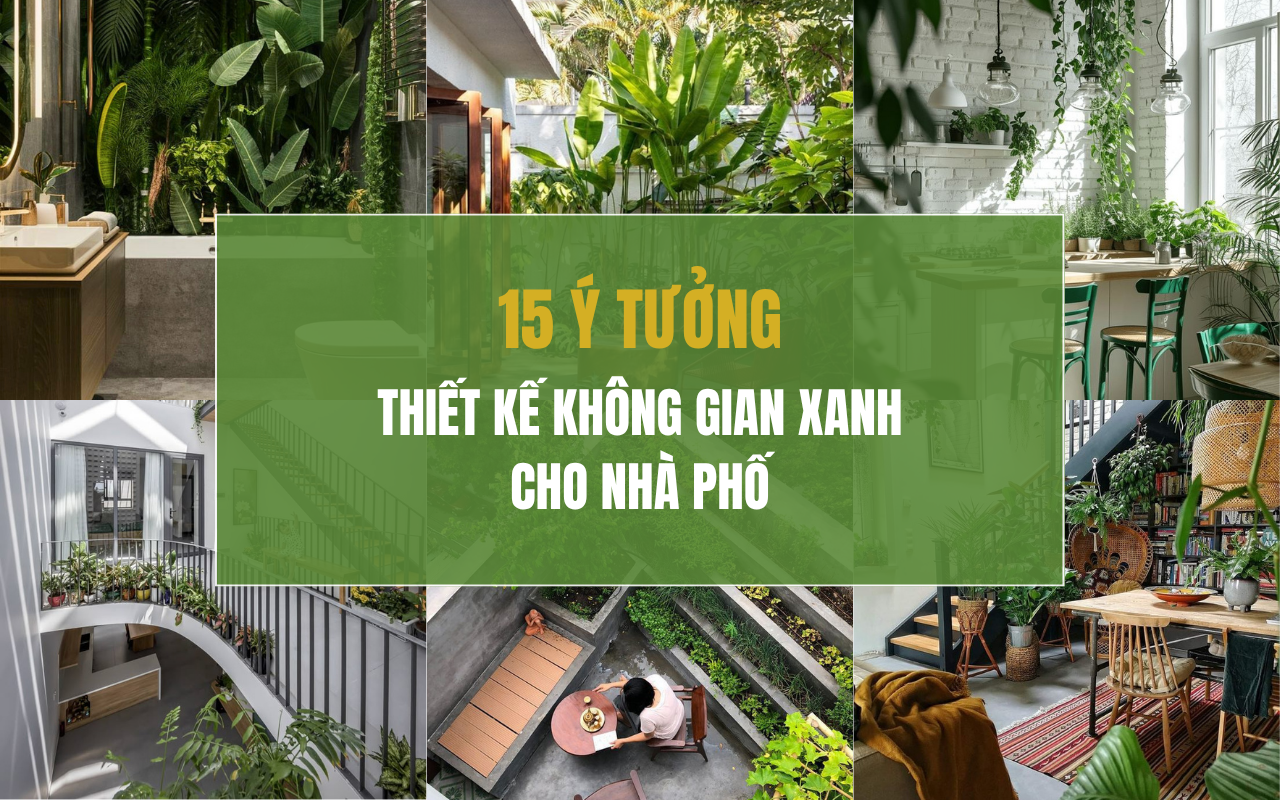
Amidst the hustle and bustle of urban life, with its densely packed townhouses and concrete-filled spaces, people increasingly desire to connect with nature. This is no longer a luxury but a necessity for finding balance and healing the soul. Therefore, designing green spaces for townhouses has become an inevitable trend, transforming seemingly cramped tube houses into cool, fresh, and vibrant green spaces.
Why are green spaces a design trend for modern townhouses?
The rise of green spaces in modern townhouse architecture is not a spontaneous trend but stems from the practical and sustainable values it brings.
Improve air quality
Trees act as natural air purifiers, absorbing CO2, volatile organic compounds, and fine dust while releasing oxygen. This helps to create cleaner air, especially in polluted areas with high levels of dust and smog.
Boosting mental health
Numerous studies have shown that living close to nature helps reduce stress and anxiety, improve mood, and increase concentration. A refreshing green space at home is an effective "healing" therapy after a tiring day at work.


Natural cooling and energy saving.
Trees provide shade, reduce surface temperatures, thereby regulating the climate, reducing reliance on cooling devices, and saving significant energy costs.
Enhance aesthetics
A building with a smart and aesthetically pleasing green space design always creates a strong visual impression, reflects the homeowner's taste, and increases the value of the house.
Connecting people and nature
According to the Biophilic Design philosophy, humans instinctively seek a connection with nature. Incorporating greenery into living spaces helps satisfy this need, creating a harmonious and balanced living environment.
Top 15 beautiful green space design ideas for townhouses.
1. Skylight area
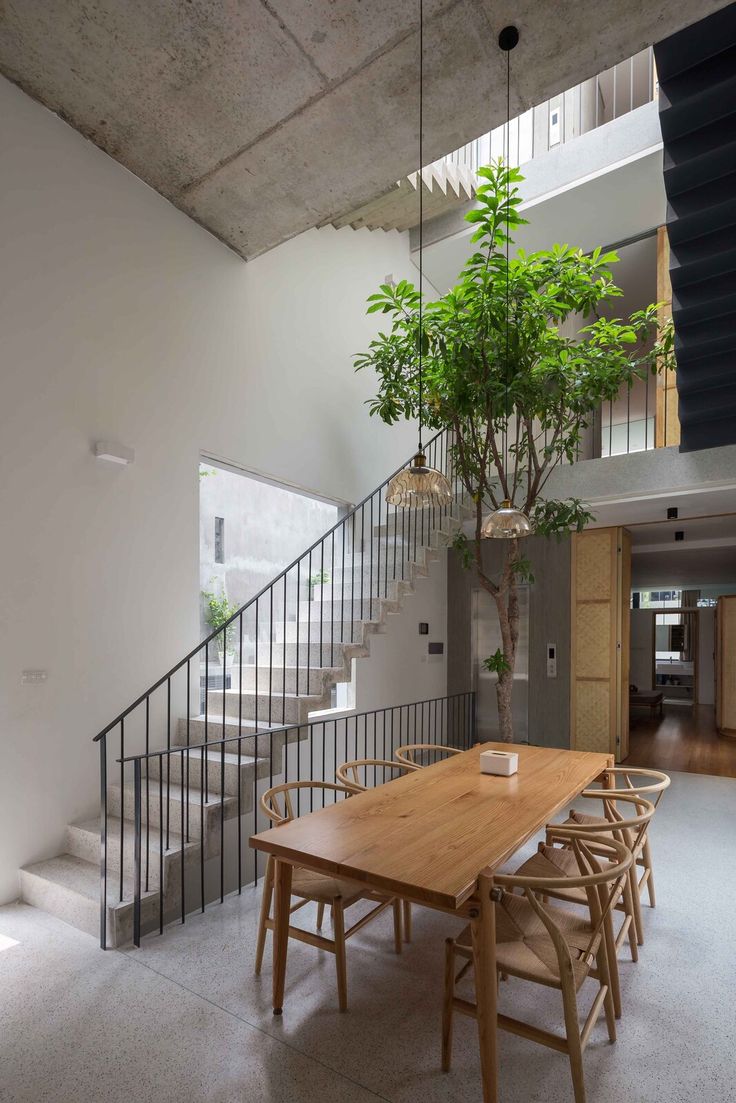
The skylight is the "heart" of a townhouse, providing natural light and ventilation. Transforming this area into a miniature tropical garden is a great idea. You could plant a large, tall tree, or design a dry landscape with pebbles, stones, and light-loving plants like cacti and snake plants. Adding a small pond will create a relaxing, trickling sound.

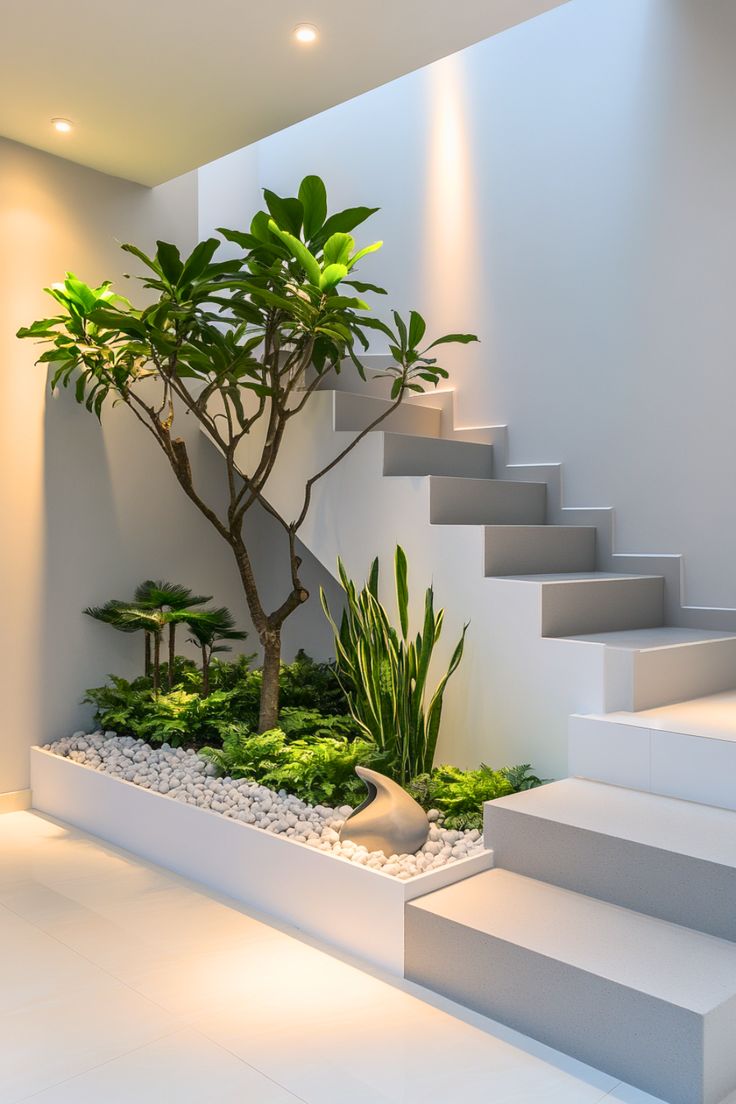
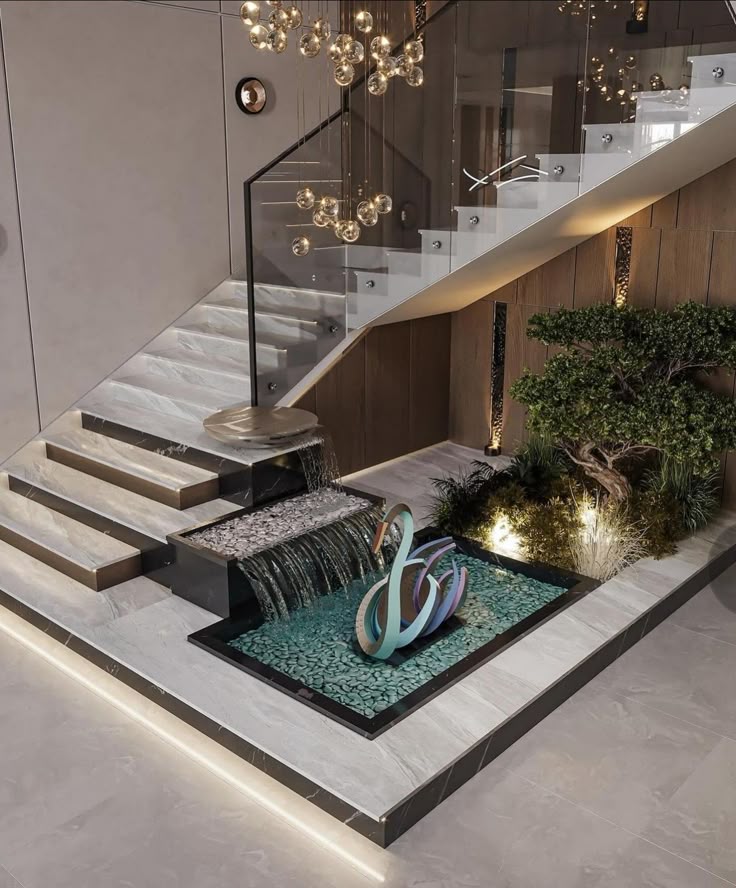
2. Utilize the space under the stairs.
The space under the stairs is often a forgotten "dead corner," but it's incredibly potential for creating a green space. The design here largely depends on the amount of light the area receives. If the space under the stairs is hidden and receives little natural light, the ideal solution is to create dry landscape features. Conversely, with plenty of light, you can choose from various design options, incorporating rockeries or mini waterfalls.

3. Balcony
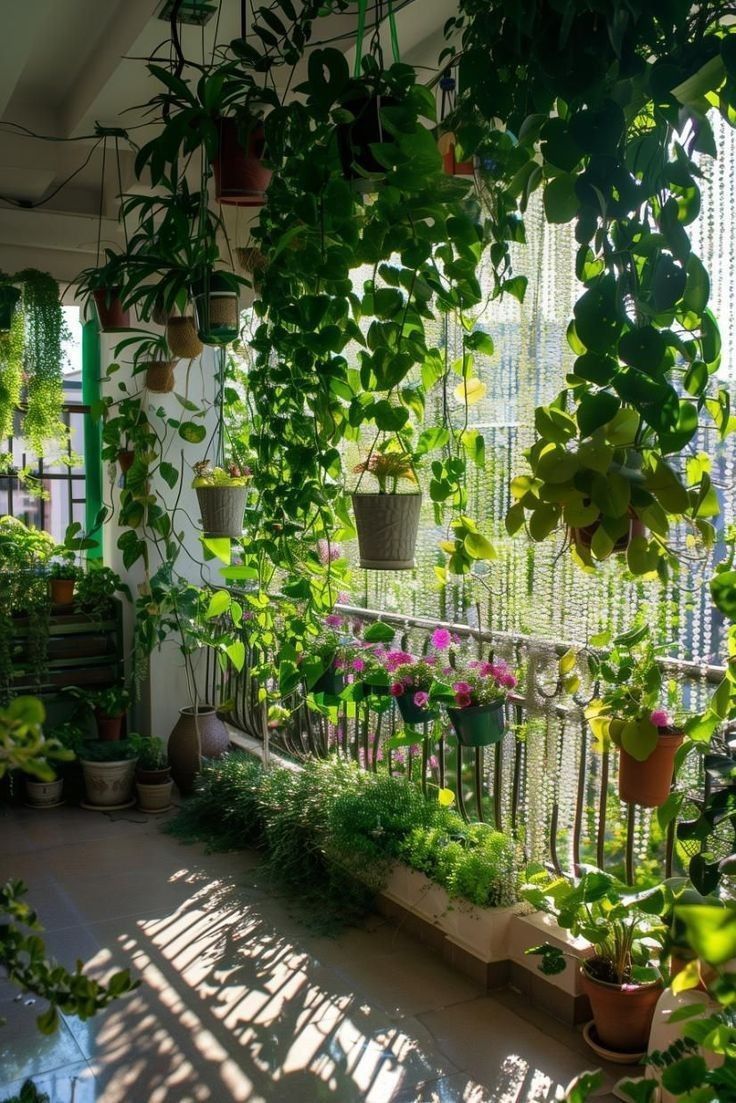
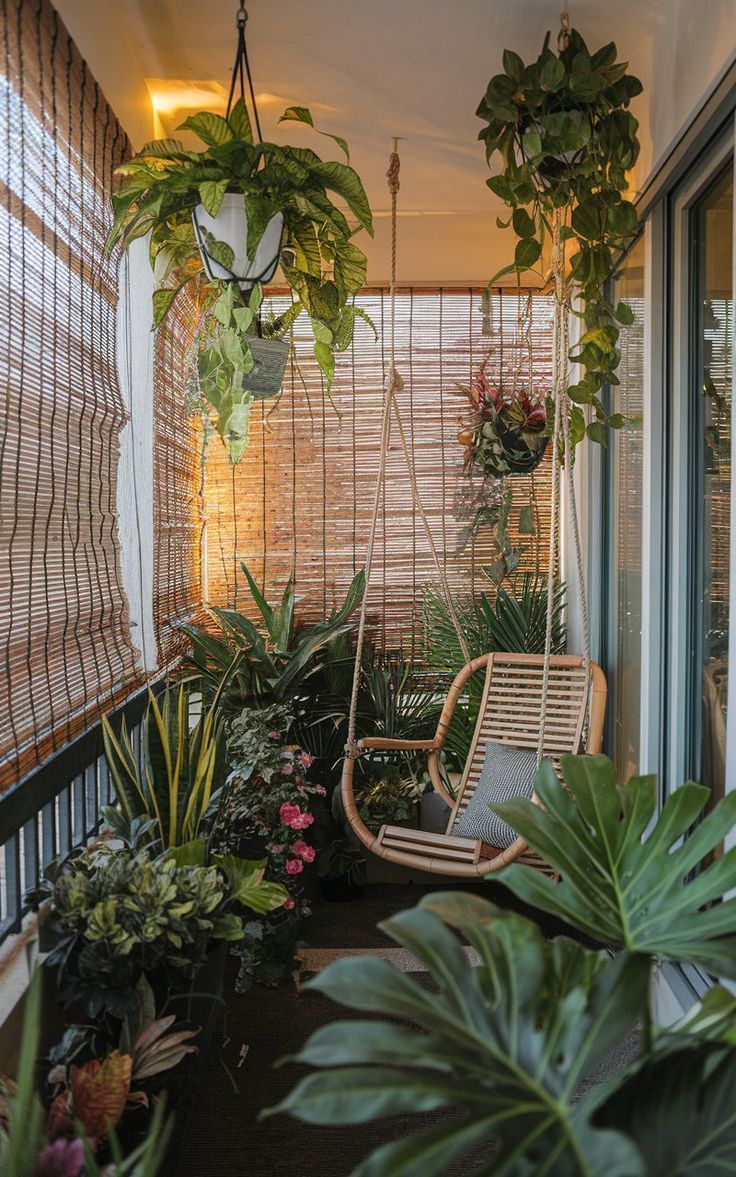
Designing a green space for your balcony can transform it into an ideal relaxation corner. You can install trellises for trailing plants, grow colorful flowers like bougainvillea or periwinkle, or create a small, charming vegetable garden.

4. Designing green spaces on the rooftop.
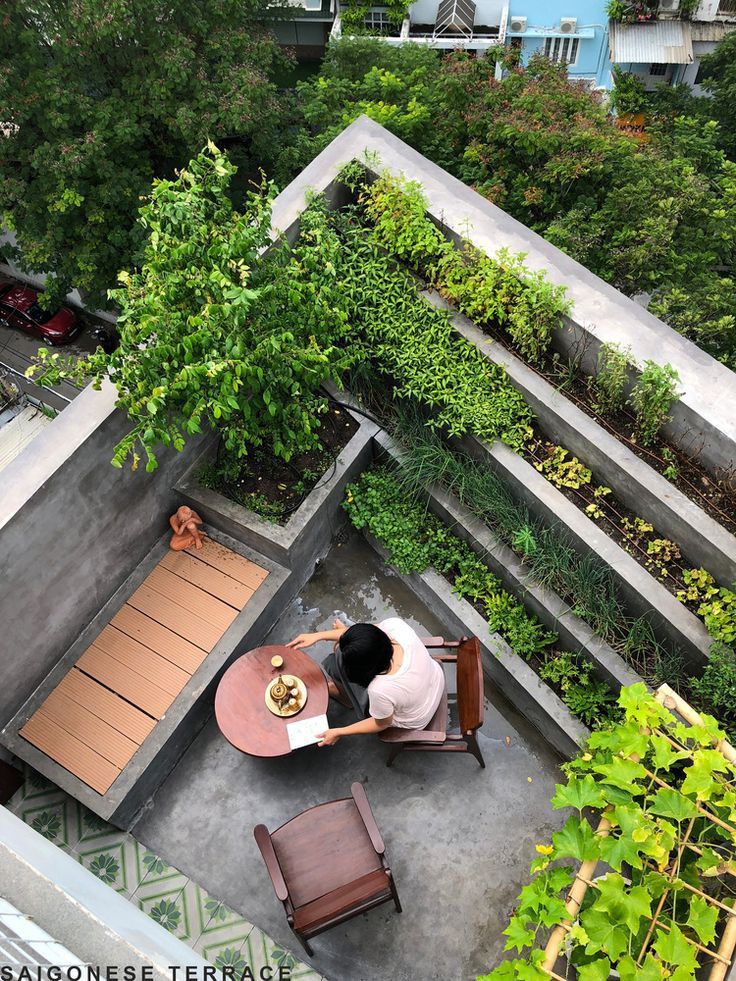
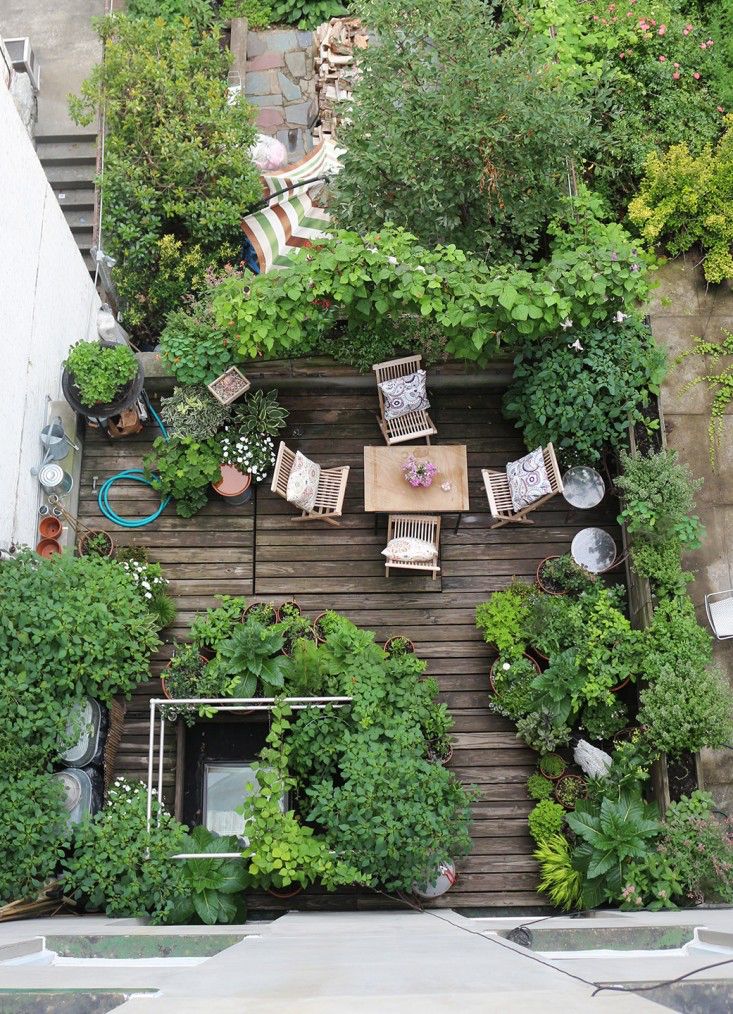
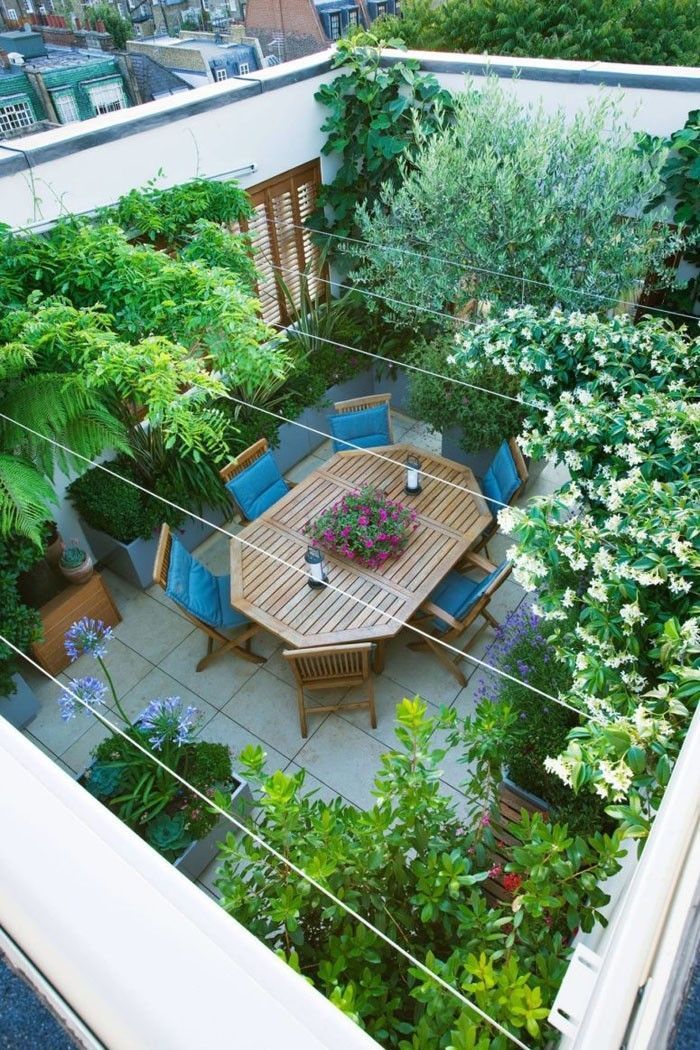
The rooftop is the ideal space to create a real garden. The current trend is to transform the rooftop into a multi-functional space: serving as a green space for the house, a fresh vegetable garden providing food for the family, and a place to host outdoor BBQ parties.
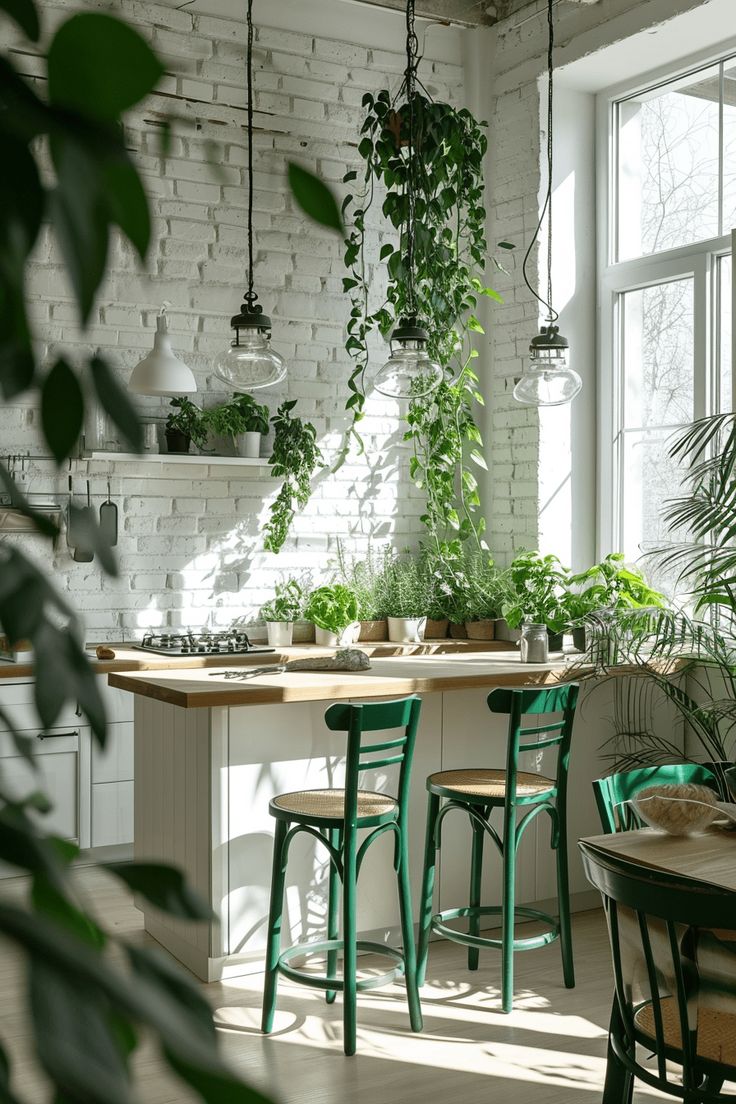
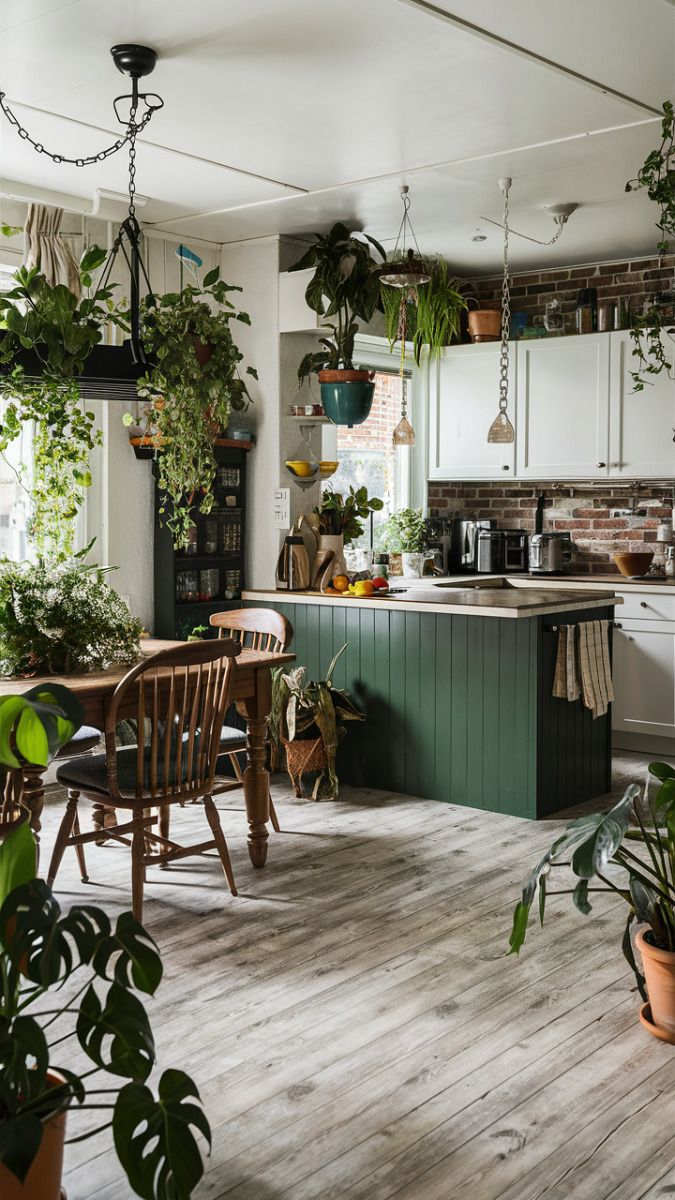
5. Create green spaces in the kitchen area.
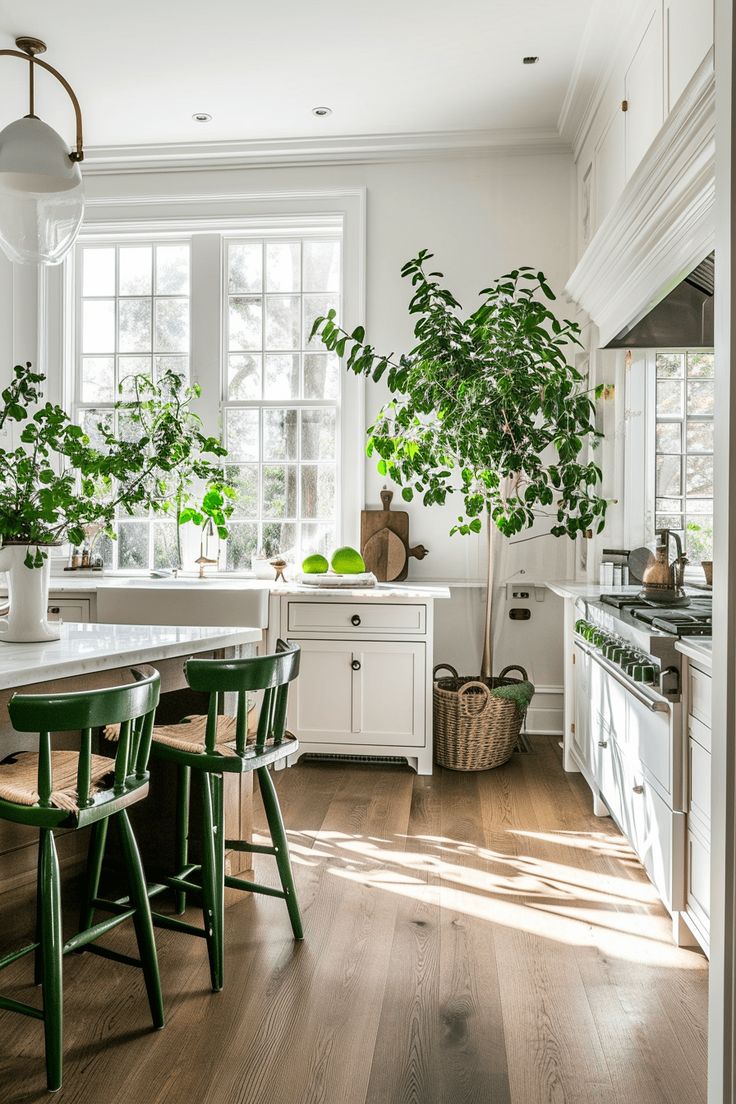
The kitchen is a great place to grow herbs and spices like basil, mint, rosemary, or small plants. You can utilize the windowsill or hang small potted plants on the wall. The presence of greenery not only provides fresh cooking ingredients but also helps to eliminate odors effectively.
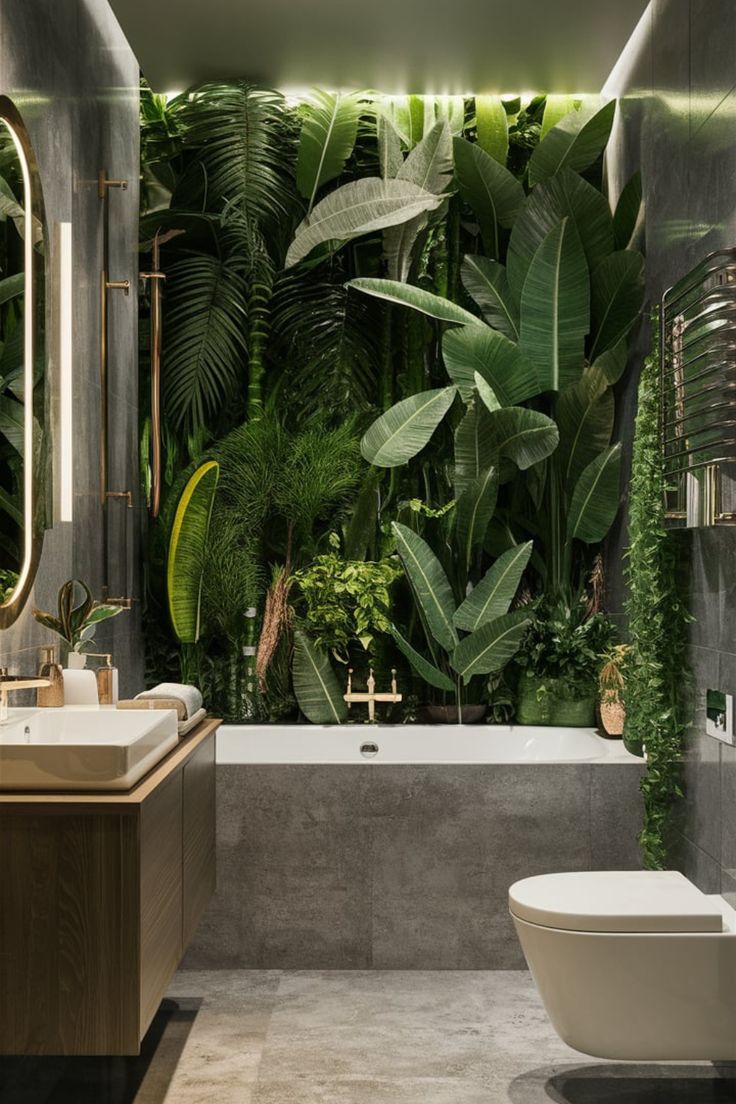
6. Bring nature into the bathroom.
Bathrooms have high humidity, making them ideal environments for moisture-loving tropical plants like ferns, pothos, and ivy. A few small potted plants placed on the sink counter or hung near the window will help to freshen the bathroom air.


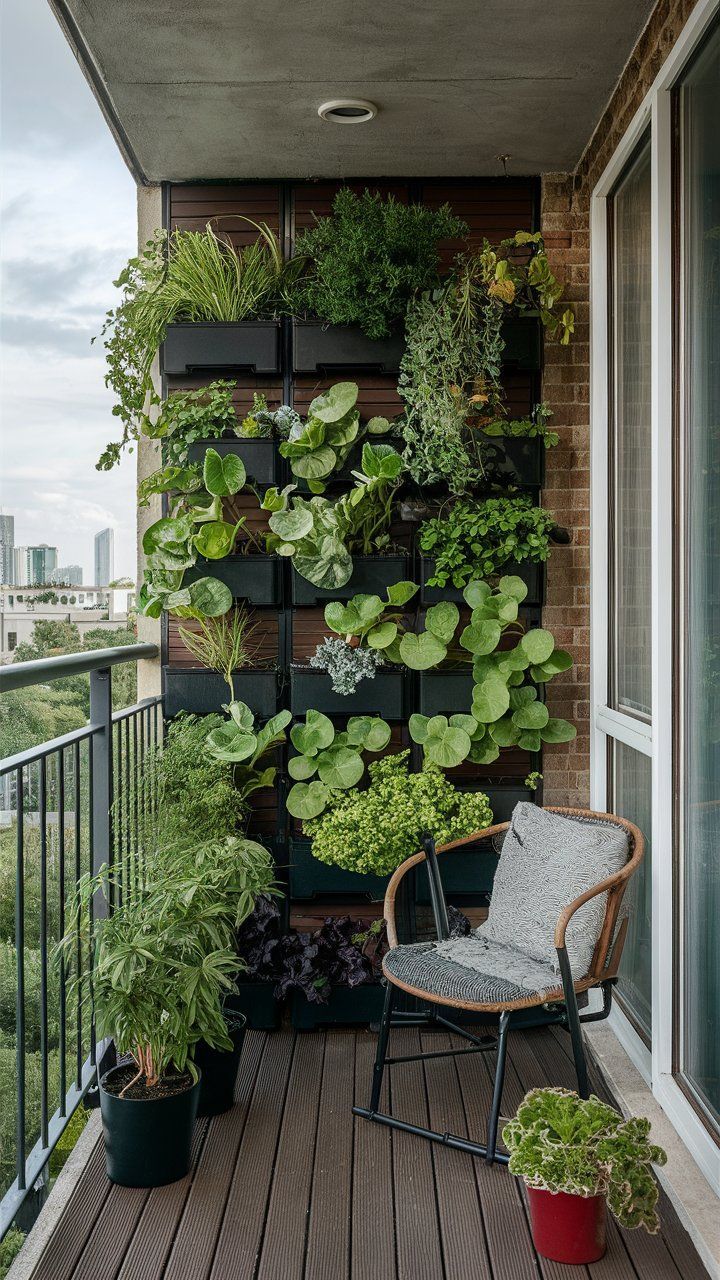
7. Wall decoration
Vertical gardens are the perfect green space design solution for townhouses with limited area. A wall covered in greenery in the living room, balcony, or atrium will become a vibrant work of art, helping to purify the air and create an impressive visual focal point.


8. Front and back gardens
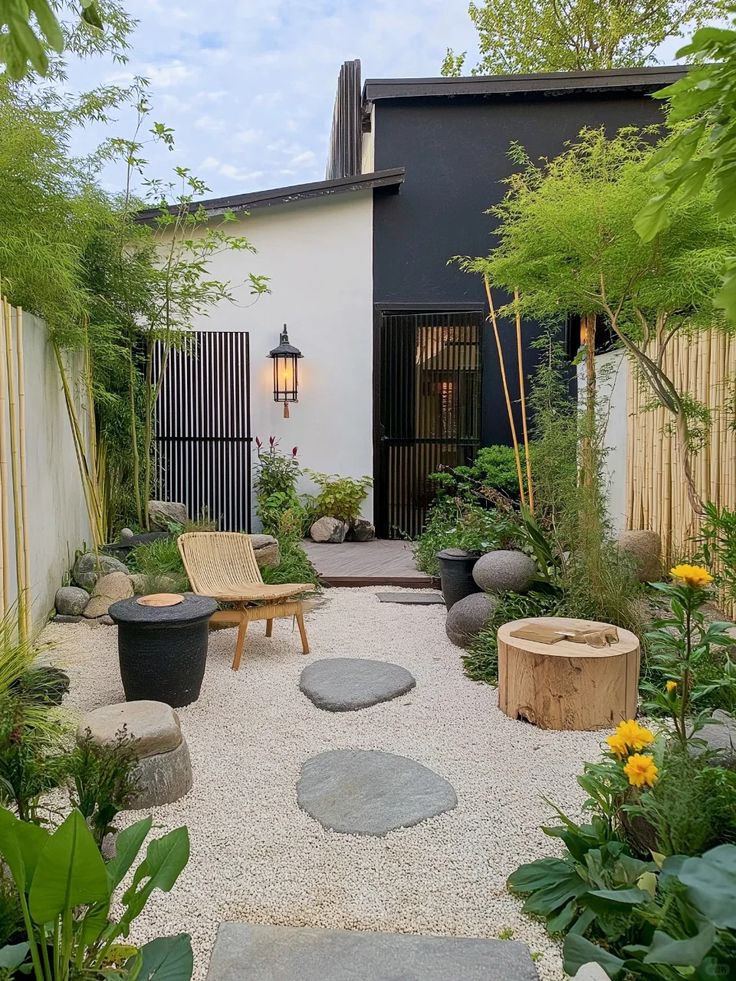
Instead of paving the entire area with concrete, dedicate a small space in your front or backyard to create a green area for your home. A stone walkway, a small lawn, some flowering shrubs or miniature landscapes, and a garden light will create a fresh, relaxing, quiet, and cool space for the whole family.


9. Greenery in the atrium area
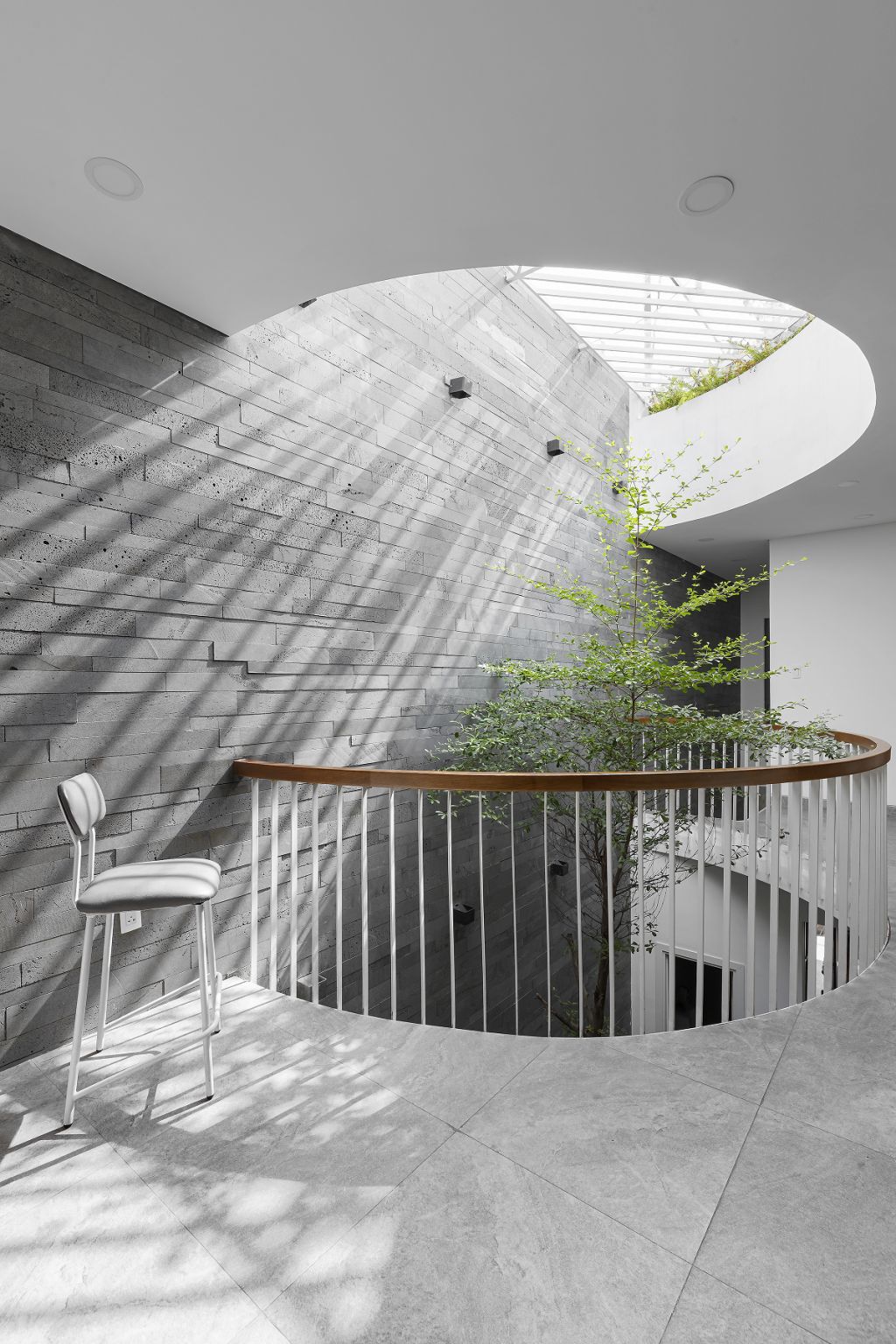
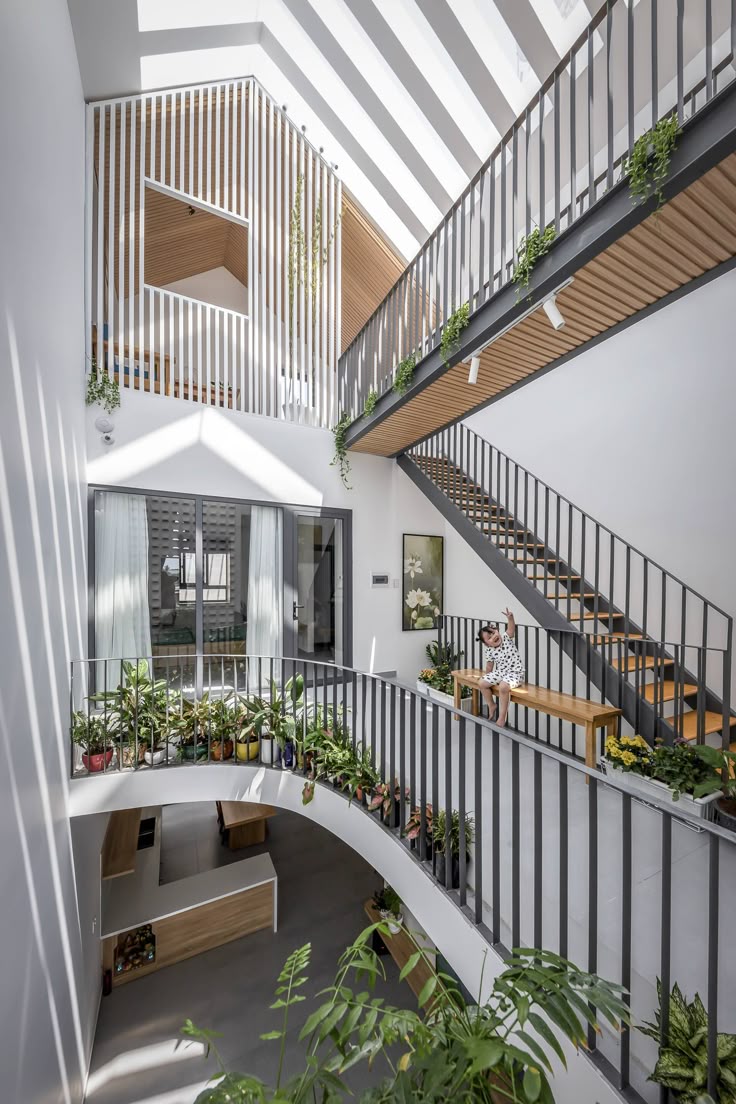
For homes with open-plan designs, this large space offers the opportunity to hang impressive cascading potted plants or grow a tall tree that extends across the floors. This not only creates a spatial connection but also brings greenery into every area of the house.

10. Indoor plant arrangement
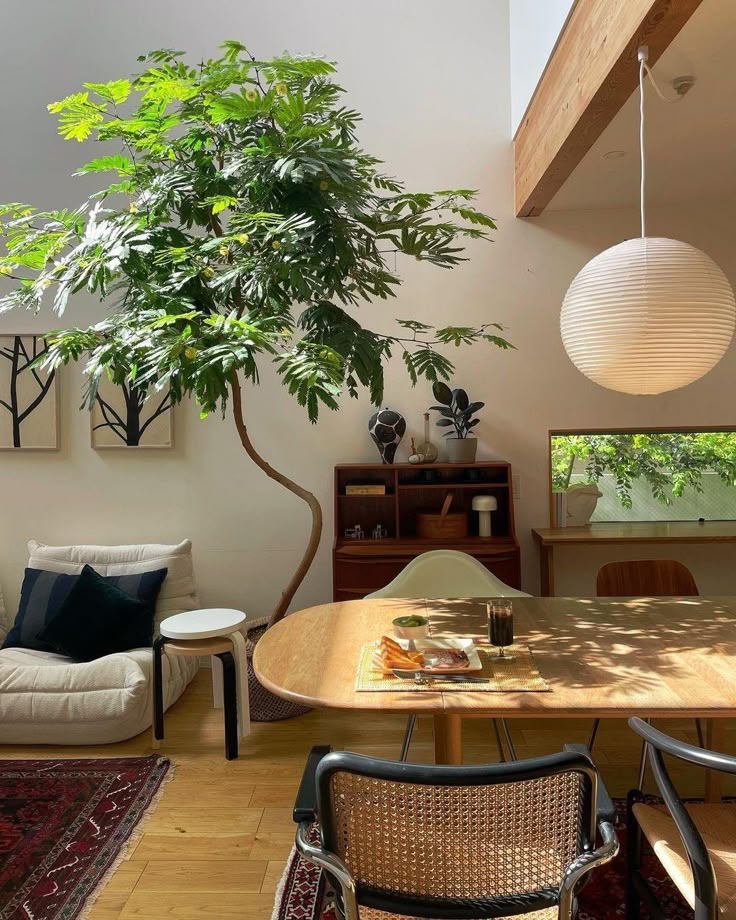
If your home isn't large enough to design a dedicated green space, you can proactively incorporate plants as part of your interior design. A Singapore almond tree in the atrium, a pothos in the corner of the living room, a money tree on your desk, or small, pretty potted plants on the bookshelf will help make your living space greener, more aesthetically pleasing, and environmentally friendly.

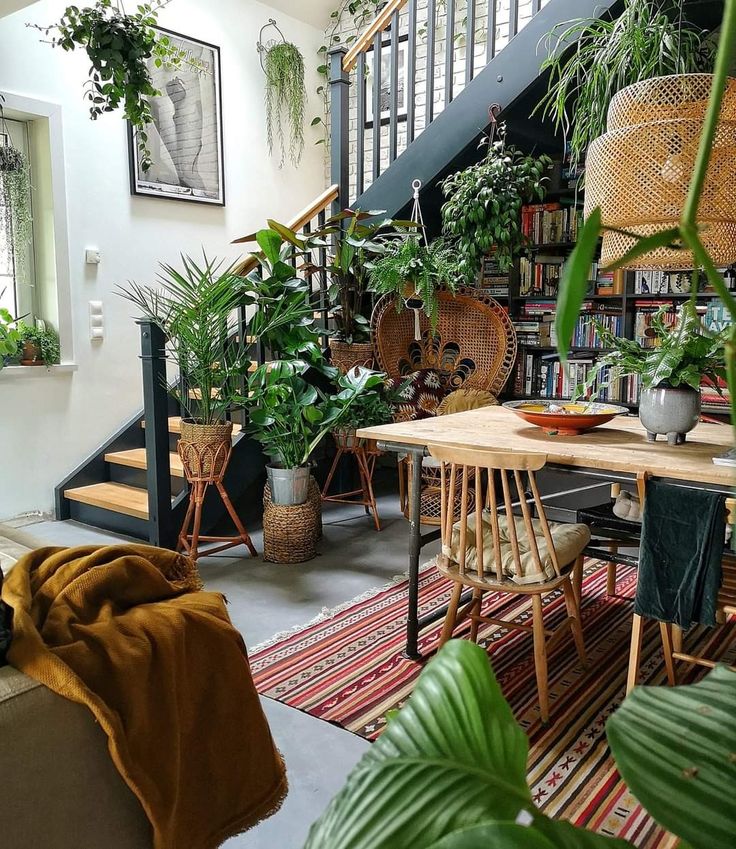
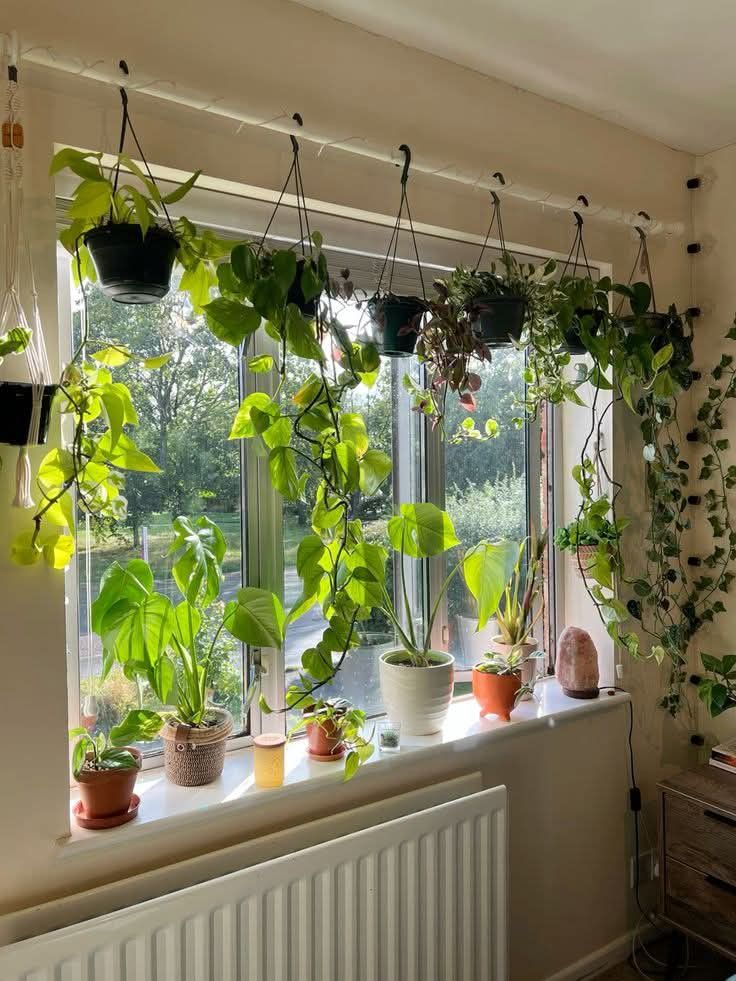
11. Make use of the windowsill.
Every sunny windowsill is a potential spot for creating a mini garden. It's perfect for small, sun-loving plants like succulents, cacti, or small flowering plants. They don't take up floor space but still provide great decorative value.


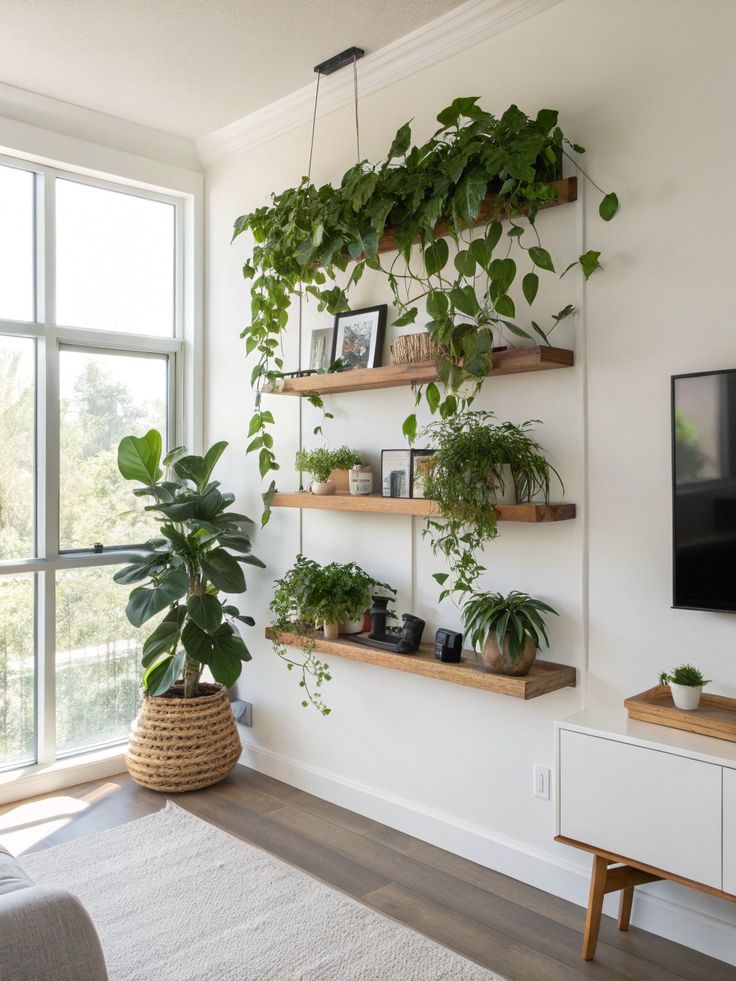
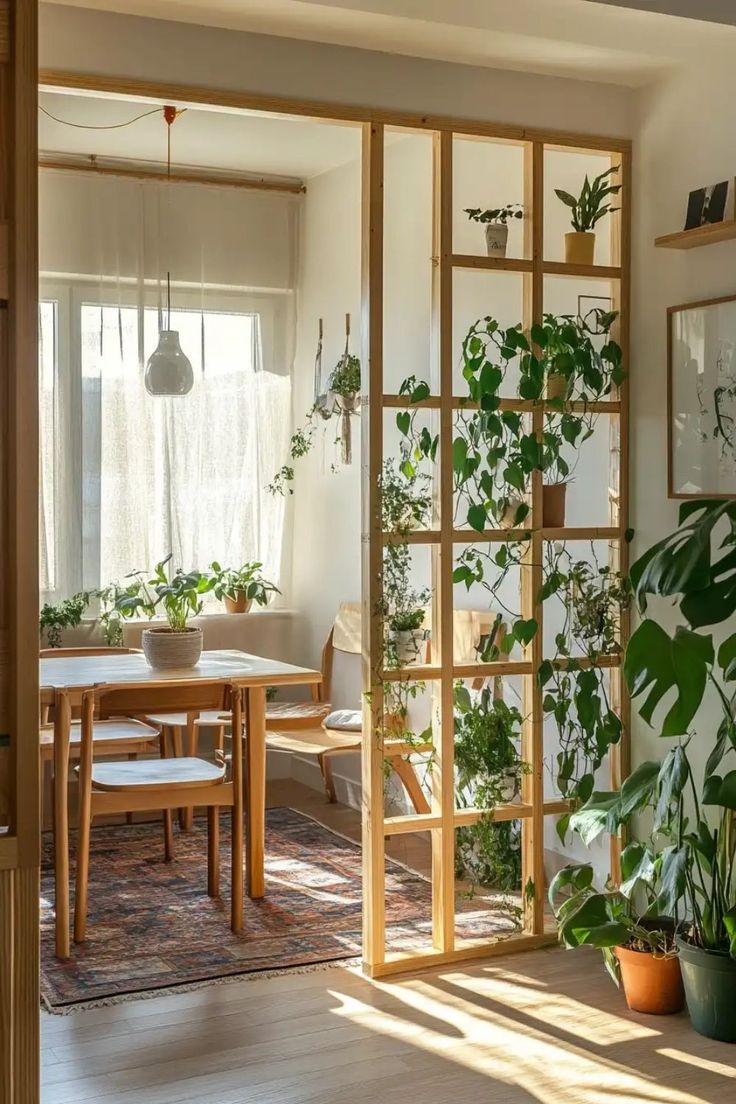
12. Decorate shelves, cabinets, and partitions with plants.
Shelving systems, open cabinets, or partitions can be cleverly designed to incorporate planters. This solution not only enhances aesthetic value but also creates unique, creative, and refreshing green accents.

13. A lush green pathway along the side of the house.
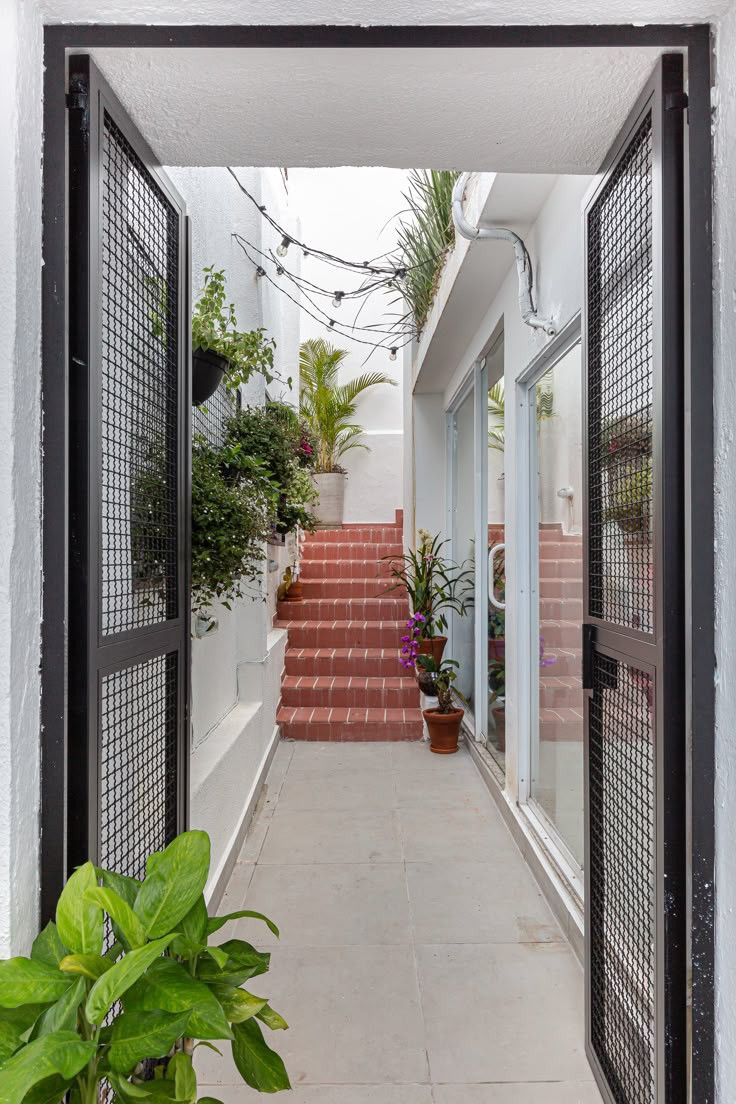
The small walkway along the side of the house is often left unused. You can transform it into a lush green strolling path by laying gravel, planting shade-tolerant plants along the wall such as bamboo or ferns, and perhaps hanging baskets of orchids or pothos.
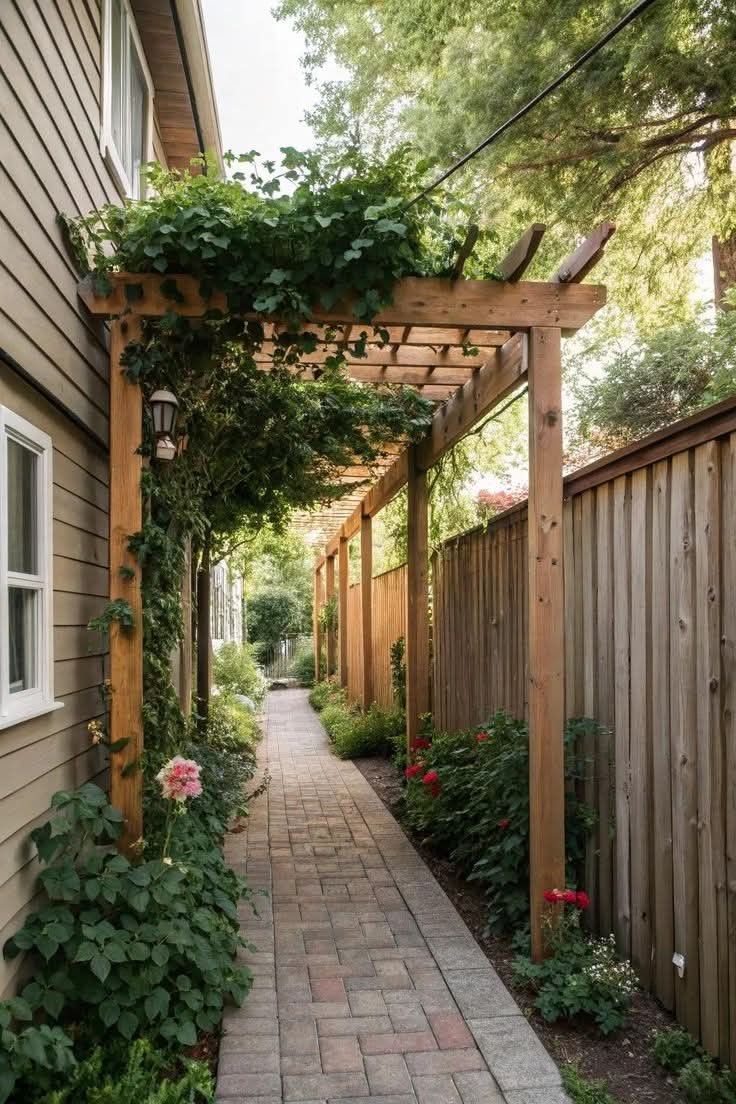


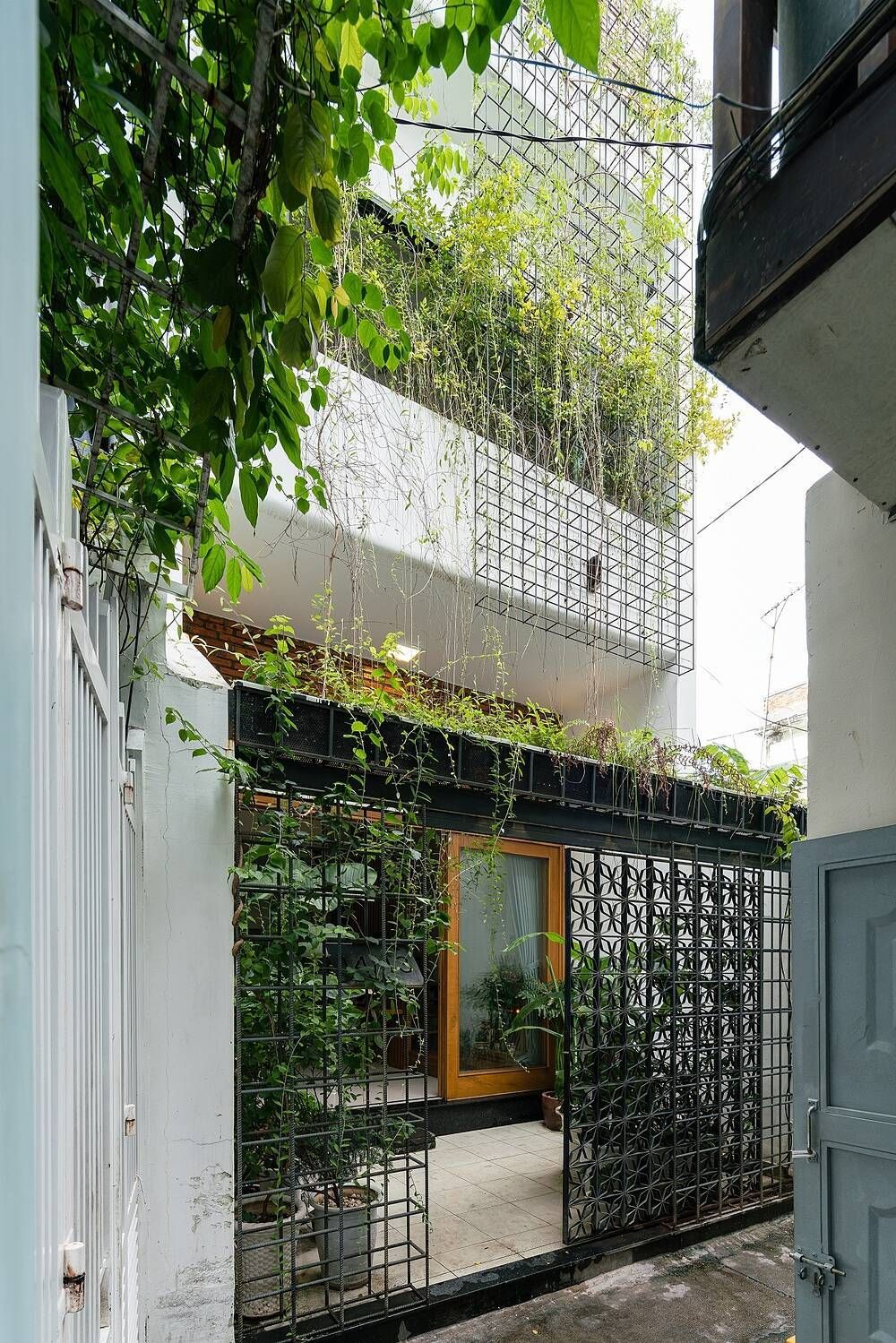
14. Design a trellis for climbing plants in front of the house.
A trellis covered with climbing plants like bougainvillea, honeysuckle, or honeysuckle at the front or gate of the house will create a soft and cool "green coat" for the home. It not only helps to shade and reduce heat radiation into the house but also creates a romantic, lush, and attractive appearance.

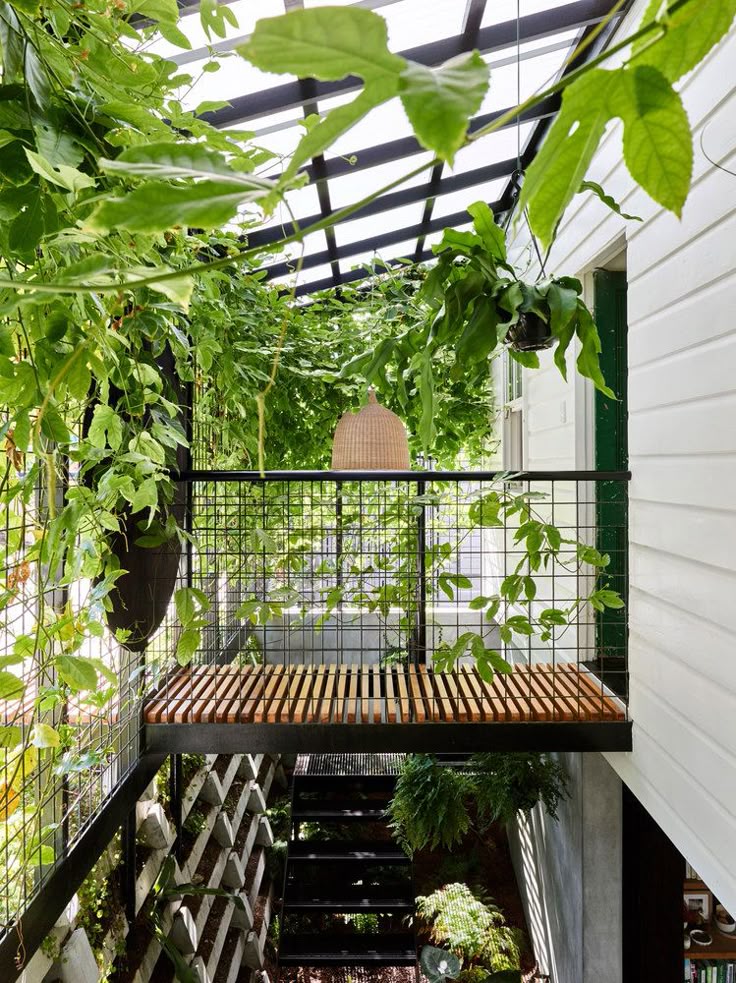
15. Greenery in the stairwell
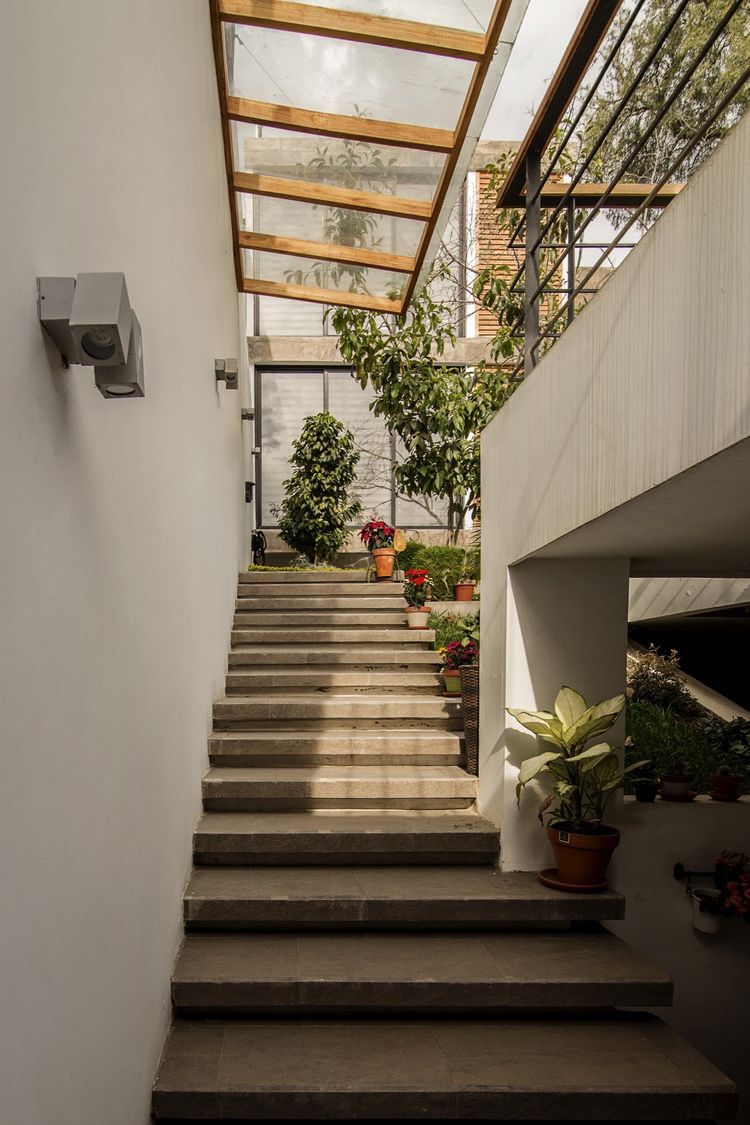
The area along the staircase is also an ideal location to design a green space for your home. You can create a small green wall or hang some pictures. air plants (Air plants), planting climbing vines, or placing small potted plants. This helps break the monotony of the area you move through and brings a fresh feeling each time you go up or down the floors.

Things to consider when designing and constructing green spaces.
To ensure that green space design is optimal and sustainable, you need to carefully consider the following technical factors before starting the project.
Lighting
This is crucial for plant survival. You need to clearly determine the direction of sunlight, light intensity, and duration of sunlight at each intended planting location (skylight, balcony, indoors, rooftop). From there, choose the appropriate plant species (sun-loving plants, shade-tolerant plants) so they can grow best.
Water supply and drainage system
Plan for a convenient irrigation system (manual or automatic) and pay special attention to drainage and waterproofing. Poor waterproofing in balconies, terraces, skylights, or bathrooms can have serious consequences for the building's structure.
Choose the right plants.
Consider the following criteria: lighting conditions, humidity of the area, size of the plant when mature, care requirements, and intended use (air-purifying plant, shade tree, ornamental plant, edible vegetable, etc.).


Structure and load-bearing capacity
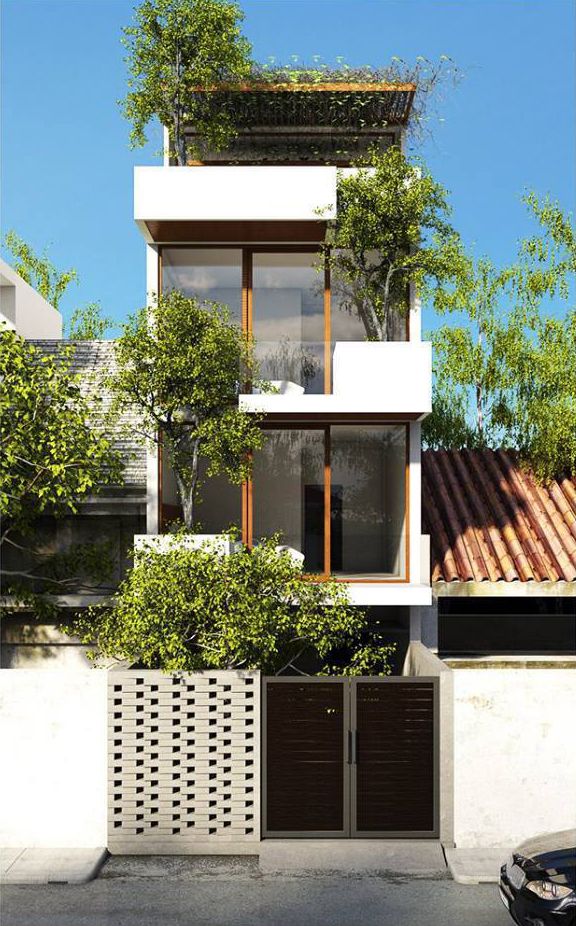
This factor is especially important when you want to create a rooftop garden. Placing large planters and adding a thick layer of soil will create a significant load on the floor. Careful calculations are needed to ensure the absolute safety of the house's structure.
Budget and design style
Determine your budget beforehand and ensure that your green space ideas harmonize with the overall architectural style of your home.
Choose a reputable design and construction company.
Designing green spaces is not simply about placing a few potted plants. It requires a comprehensive understanding of architecture, plant biology, and complex engineering solutions such as waterproofing and structural design. To ensure these elements are thoroughly addressed, it's essential to seek the services of a reputable provider. Professional and reputable landscape design and construction services. It is the optimal solution, helping you realize your ideas safely, aesthetically, and sustainably.