

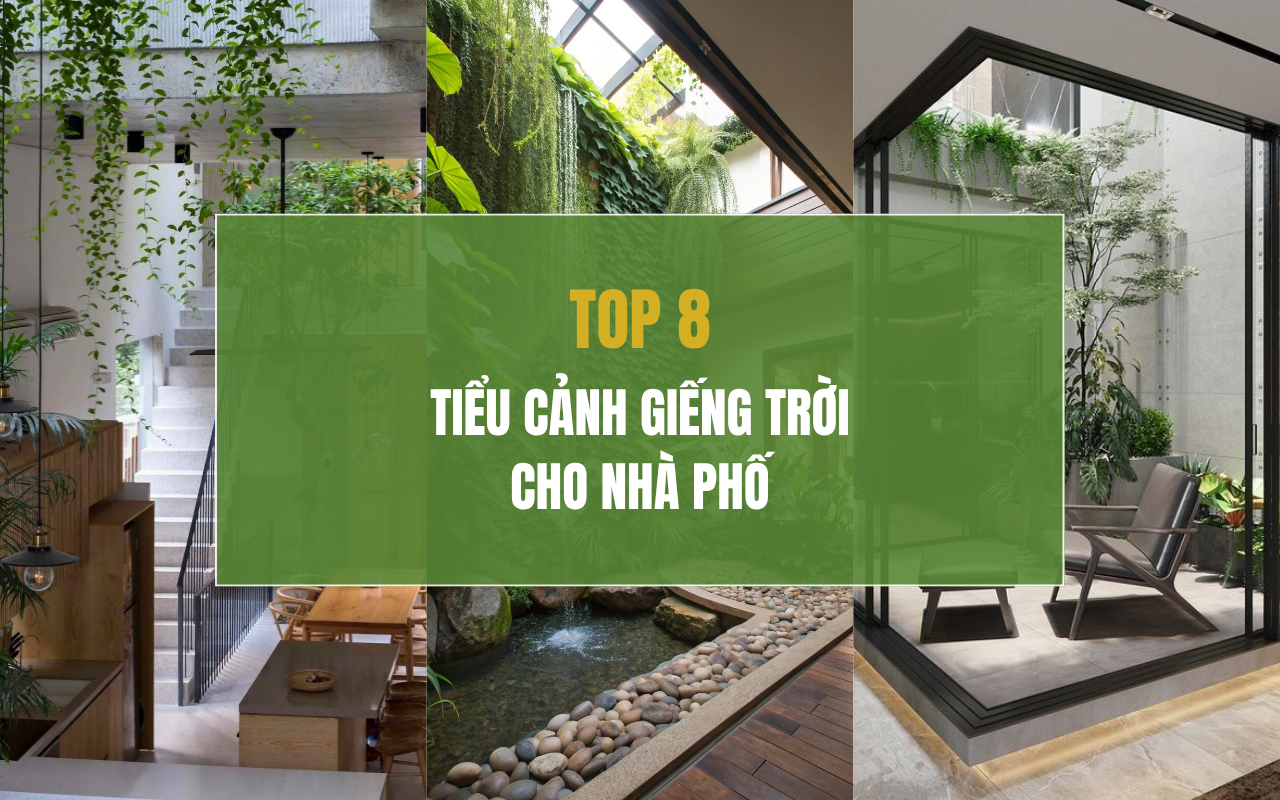
In modern townhouse architecture, skylights are no longer just a technical solution for light and ventilation. They have become valuable artistic spaces capable of elevating the entire living space of the house. However, to transform this atrium into a truly aesthetic highlight, designing a skylight landscape requires careful consideration of both ideas and techniques to maximize space utilization and create a harmonious and sustainable natural corner.
Important technical considerations when designing a skylight landscape.
Before delving into specific ideas, mastering the technical aspects is a prerequisite for ensuring the lasting beauty and safety of the structure.
1. Waterproofing and drainage system
This is a very important factor. The atrium area is frequently exposed to irrigation water or rainwater, so waterproofing must be prioritized from the construction stage. The floor and base of the walls in the landscaped area need to be treated with specialized waterproofing materials such as heat-applied membranes, polyurethane-based or cement-based waterproofing paints. At the same time, an effective drainage system (floor drains, drainage pipes) must be designed to prevent water accumulation, mold growth, and damage to the foundation structure.
2. Lighting and ventilation conditions
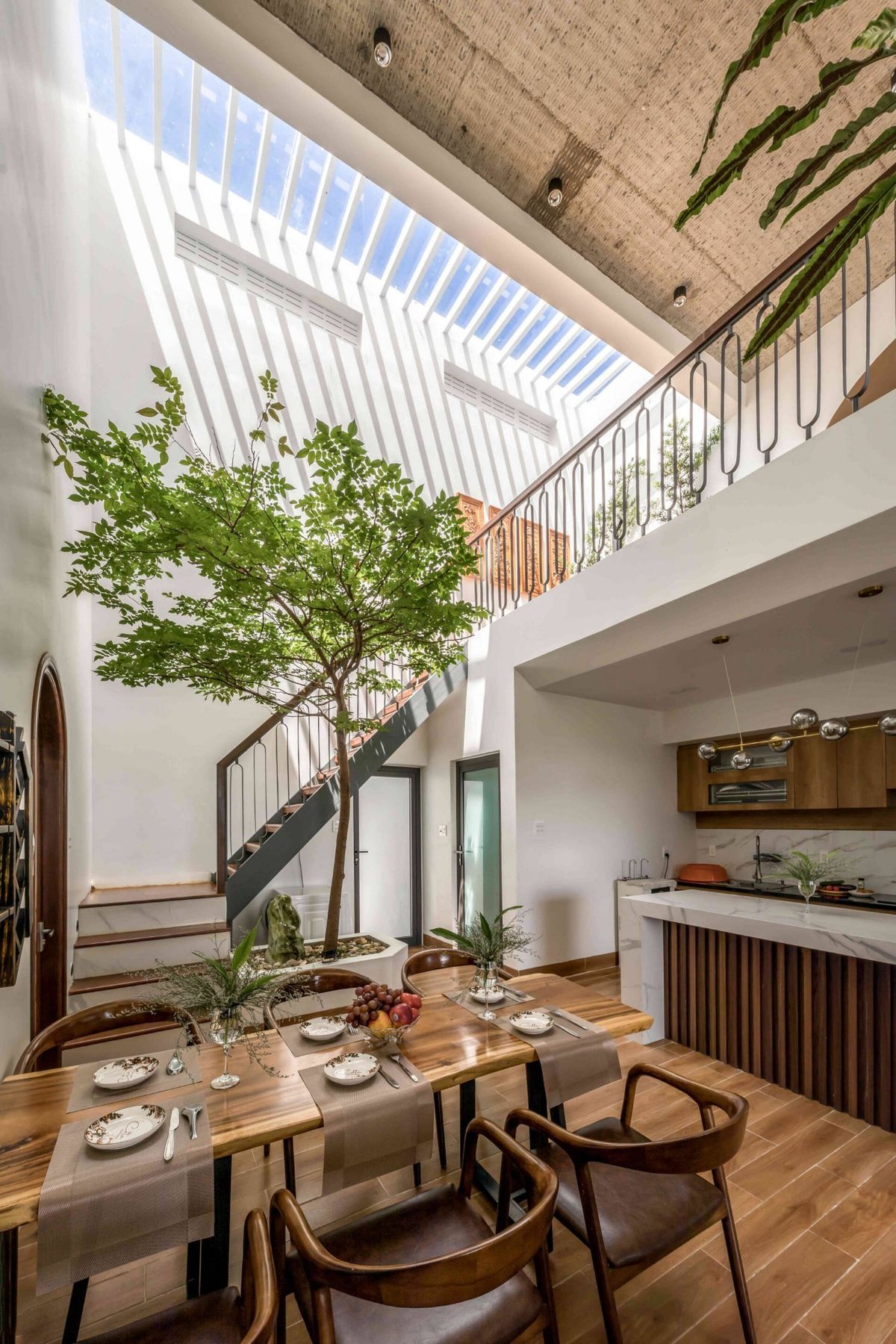
The amount of natural light a skylight receives will determine the type of plants and design style that suits it. You need to determine whether your skylight receives direct or indirect sunlight, and how long it receives sunlight each day. Air circulation is equally important. A well-ventilated skylight will help plants thrive, reduce pests and diseases, and prevent mold on the surrounding walls. The design of a skylight landscape must be based on these practical conditions.


3. Choosing the right materials
Skylight environments are characterized by high humidity and temperature fluctuations, therefore, durable and resistant materials are essential. Natural stone (granite, slate), fired bricks, ventilated bricks, gravel, pebbles, and wood-plastic composites are safe choices. Avoid using untreated natural wood or metal materials that are prone to corrosion and rust. Choosing the right materials will significantly simplify future landscape maintenance.
4. Safety issues
For multi-story atriums, safety must be the top priority, especially for families with young children. Tempered glass railings, safety nets, or standard-height steel frames should be installed to prevent accidents.
8 beautiful skylight landscape design ideas you shouldn't miss.
1. Designing a skylight landscape with a dry garden (Zen Garden)
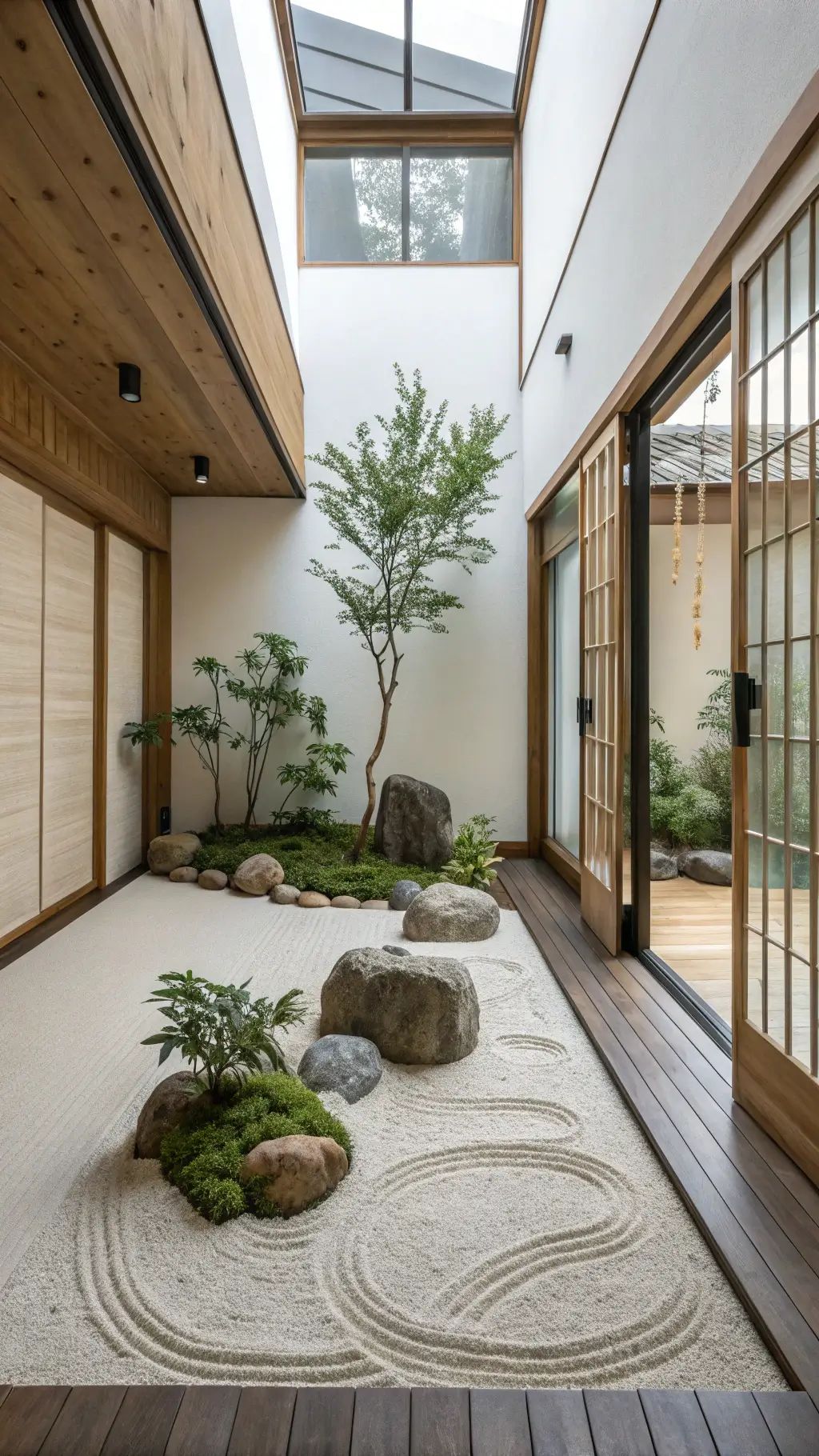
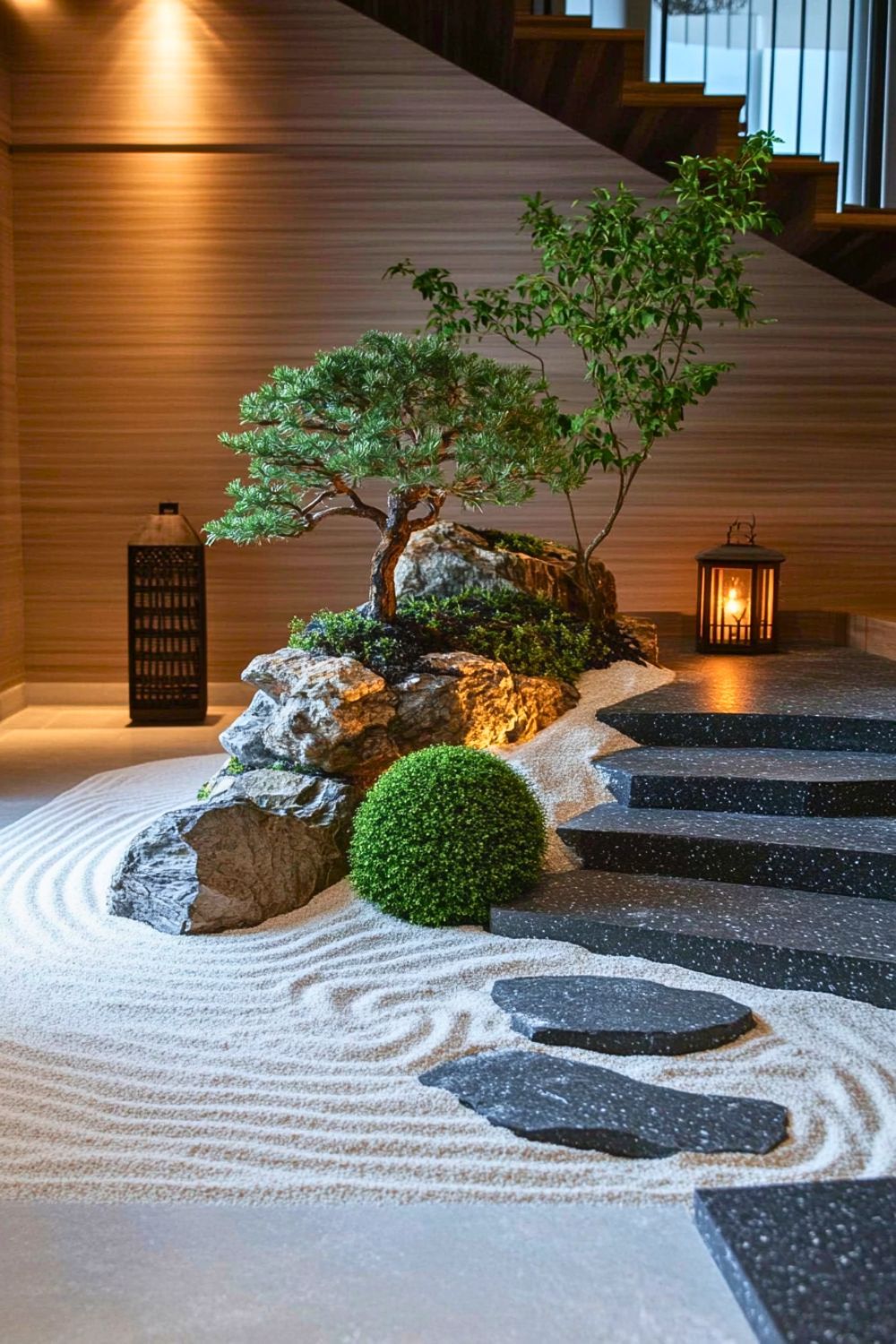
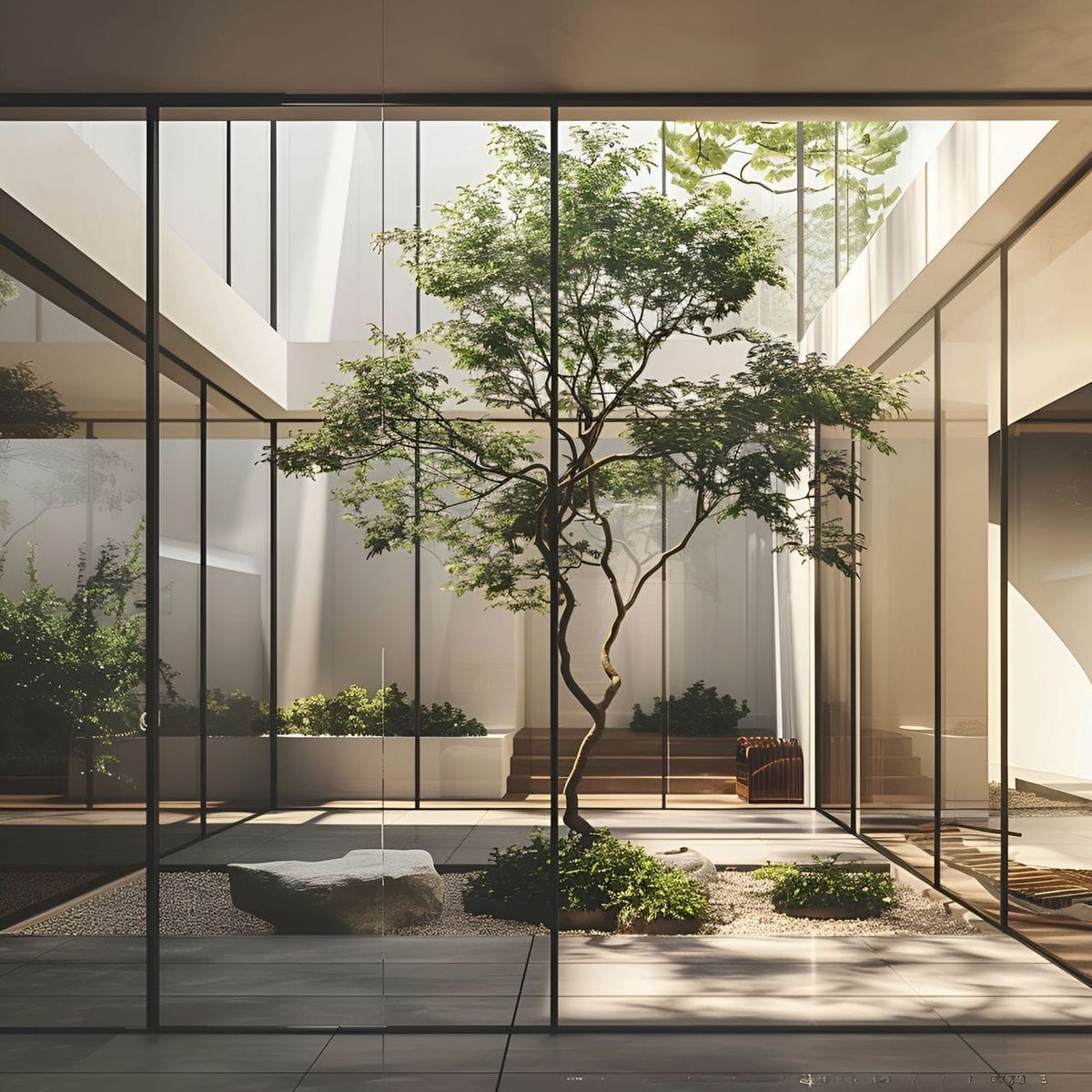
Inspired by Japanese Zen philosophy, dry gardens are a great choice for those who love minimalism and tranquility. This style doesn't use water but instead uses sand or white gravel as a base, combined with naturally shaped rocks and a neatly trimmed main plant. The biggest advantage of designing a Zen-style atrium is that it's very clean, requires little maintenance, and is suitable even for atriums that receive little light. This design creates a tranquil space, effectively reducing stress.

2. Designing a skylight landscape with a miniature tropical garden.
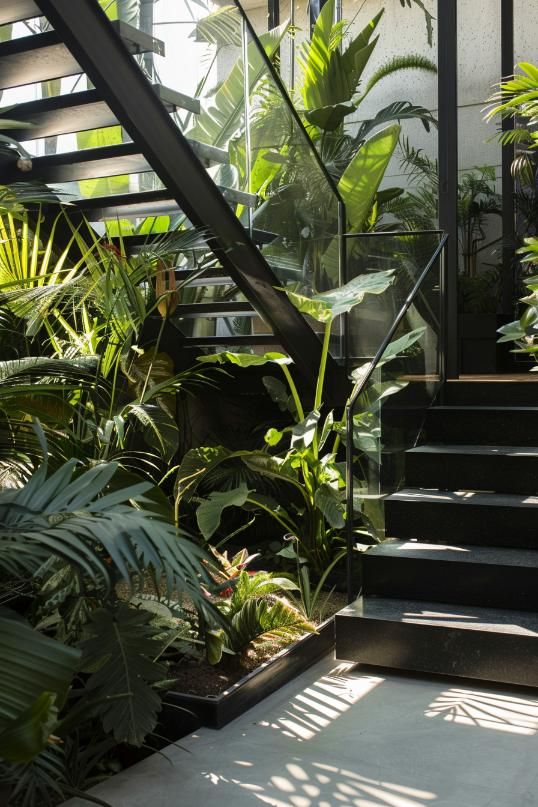
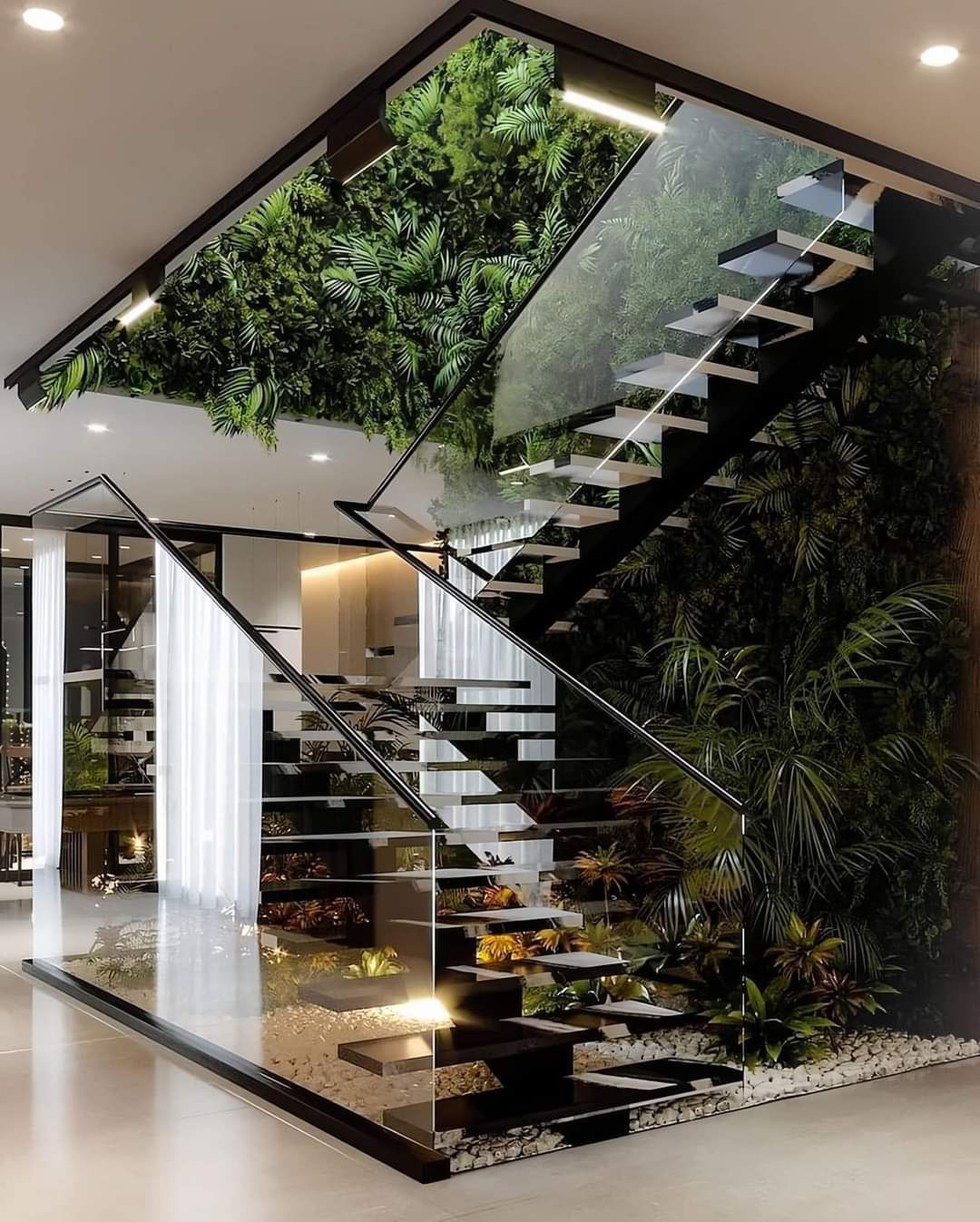
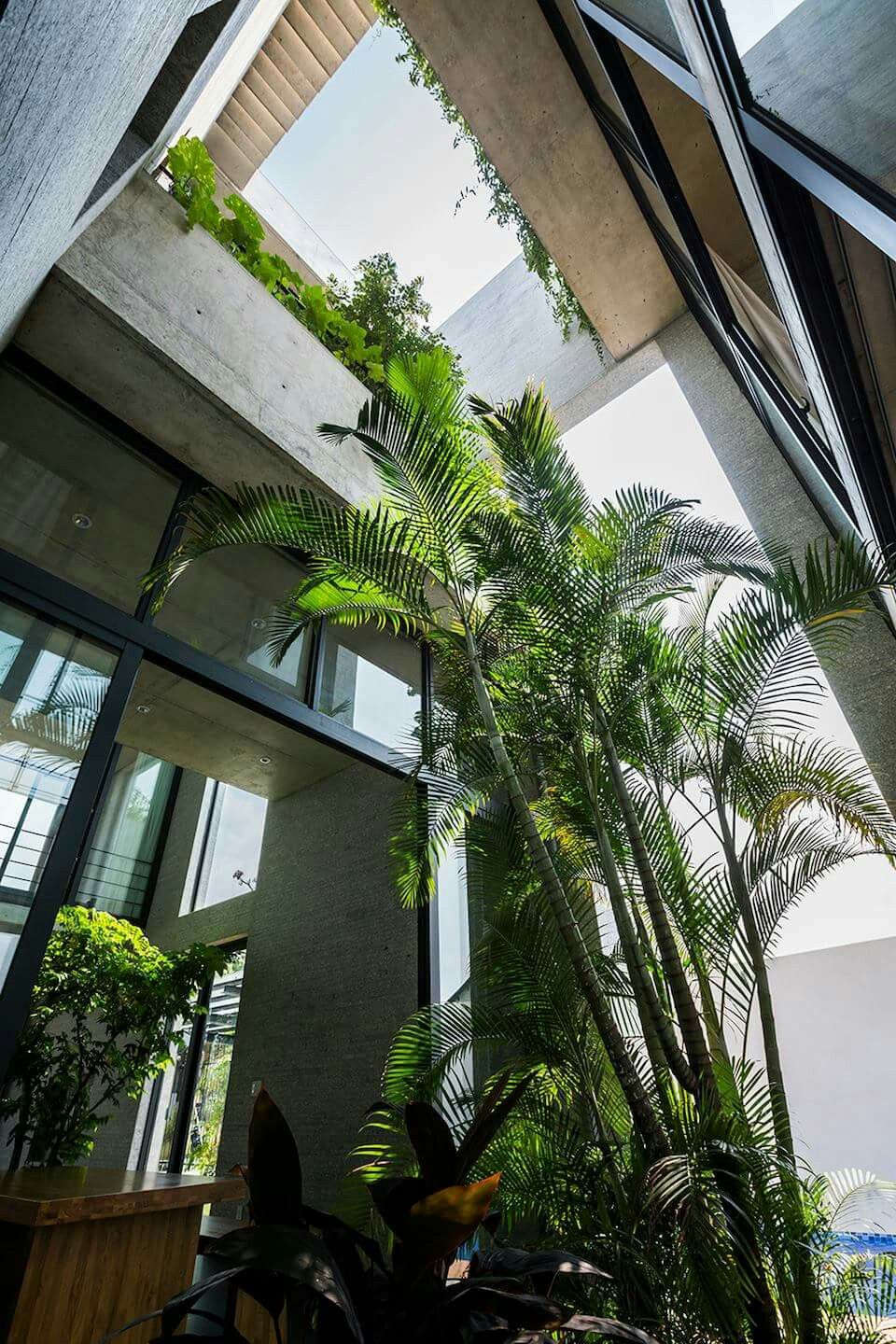
This is a perfect idea if you want to bring more greenery into your living space. This style focuses on planting a variety of shade-loving plants with diverse foliage, creating a cool and vibrant green space like a miniature rainforest. You can plant directly in built-in planters or arrange pots of different sizes. A tropical skylight design greatly improves air quality; however, it requires more regular care in terms of watering, humidity, and pruning to maintain its beauty.
3. Designing a skylight landscape with a rockery.
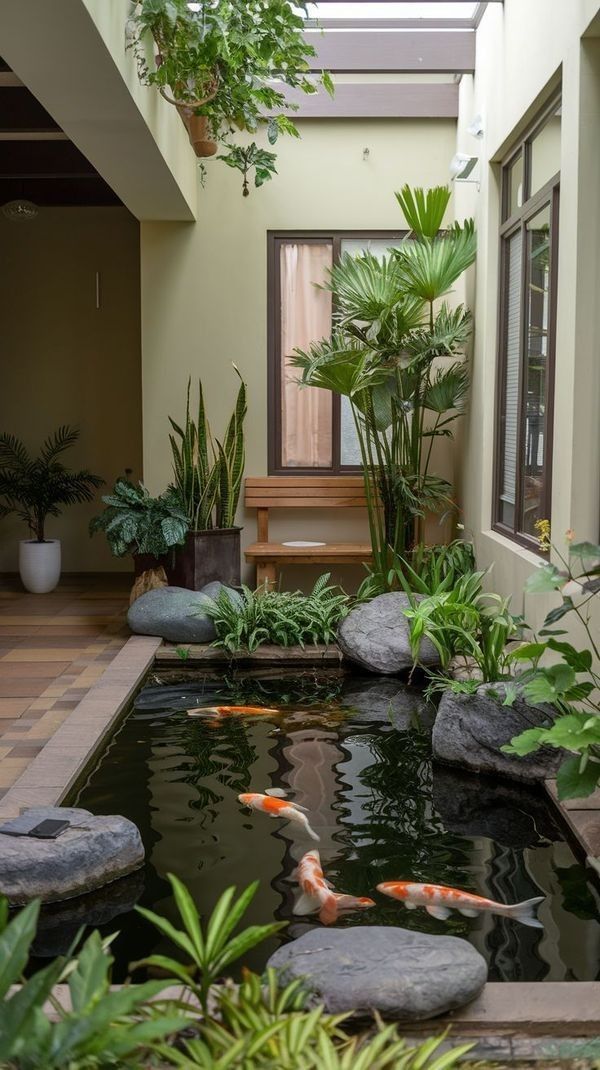
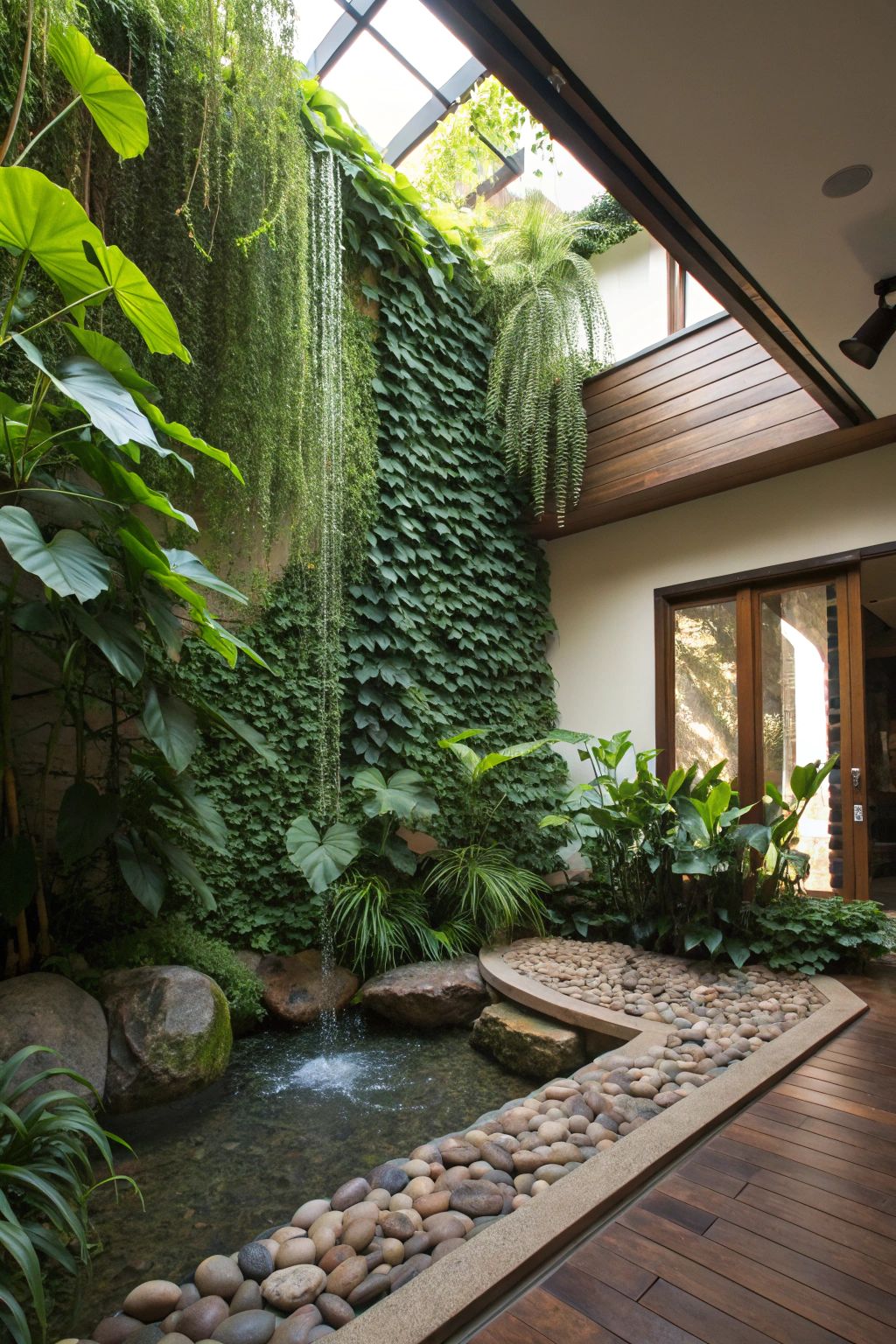
Incorporating water features into a skylight not only creates a unique focal point but is also considered auspicious in feng shui, bringing prosperity to the homeowner. The gentle sound of flowing water has an effective relaxing effect on the mind. However, designing a skylight with a pond requires complex construction techniques, especially in waterproofing and installing a circulating filtration system to keep the water clean. This is a more expensive option but offers significant aesthetic and emotional value.


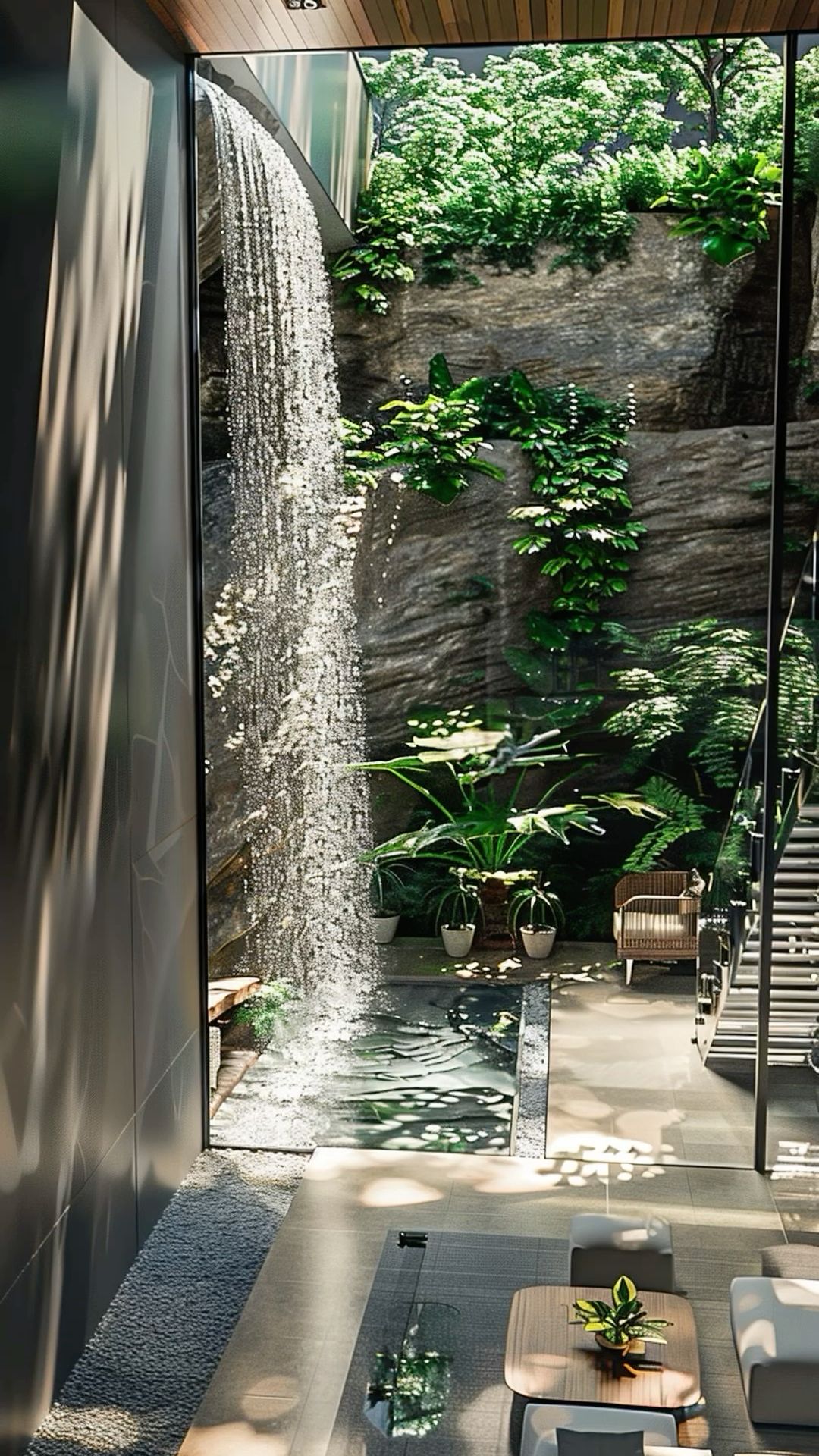
4. Designing a skylight landscape with a waterfall (Waterfall Wall)
This is a modern and space-saving solution. Instead of building a pond, you can create a waterfall wall where water flows gently over a surface material such as flagstone, slate, or glass. The sound of the water combined with the reflected light creates a stunning visual and auditory effect. Designing a skylight with a wall waterfall requires a circulating pump system and a carefully waterproofed wall.

5. Designing a skylight landscape with climbing plants.
This is a smart and cost-effective way to utilize vertical space. Simply install a system of steel mesh, cable mesh, or vertical tension wires. Then, plant shade-loving climbing plants at the base. Over time, the plants will naturally spread and cover the entire wall, creating a vibrant natural carpet. This skylight landscape design idea is particularly effective for skylights with narrow widths.
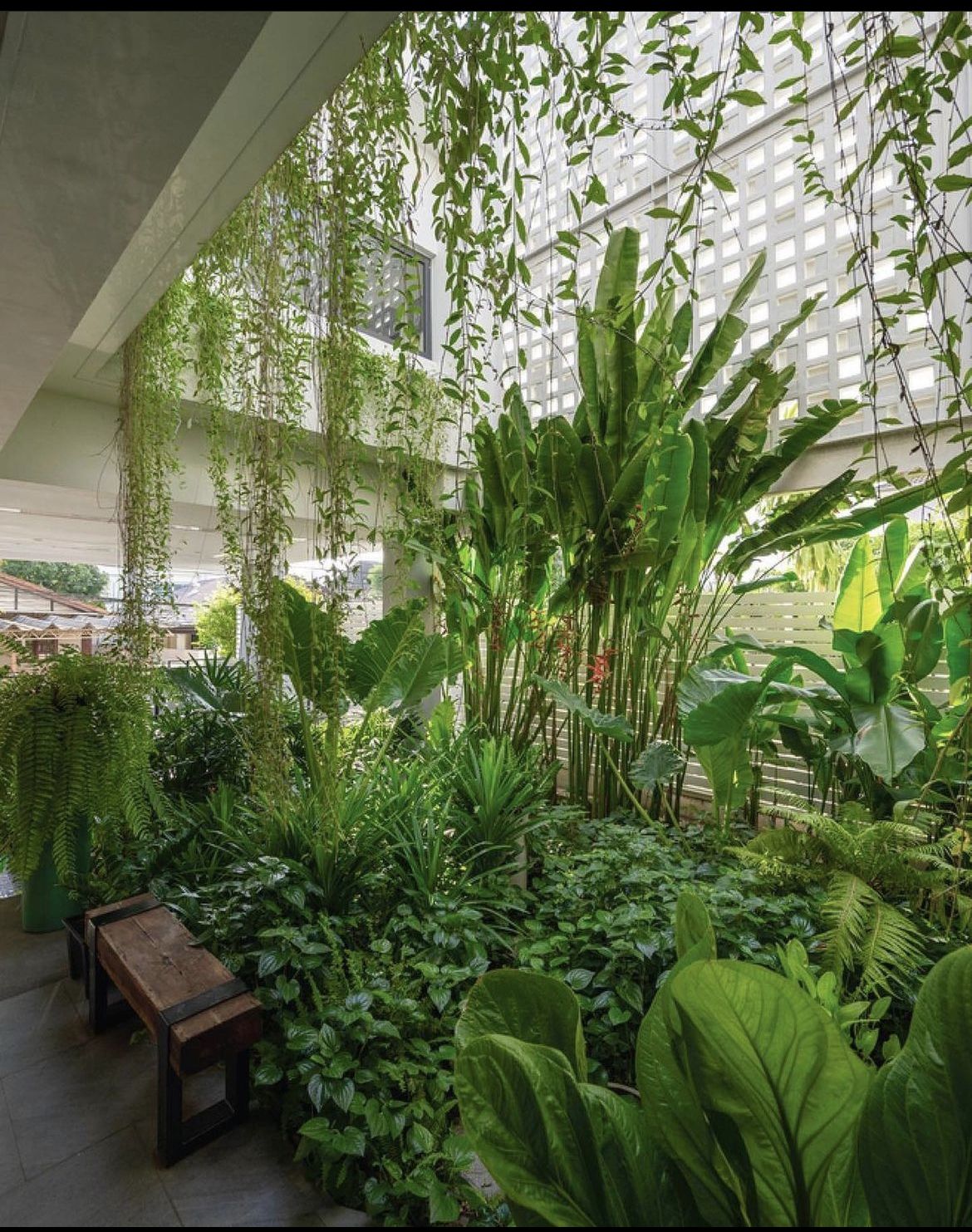

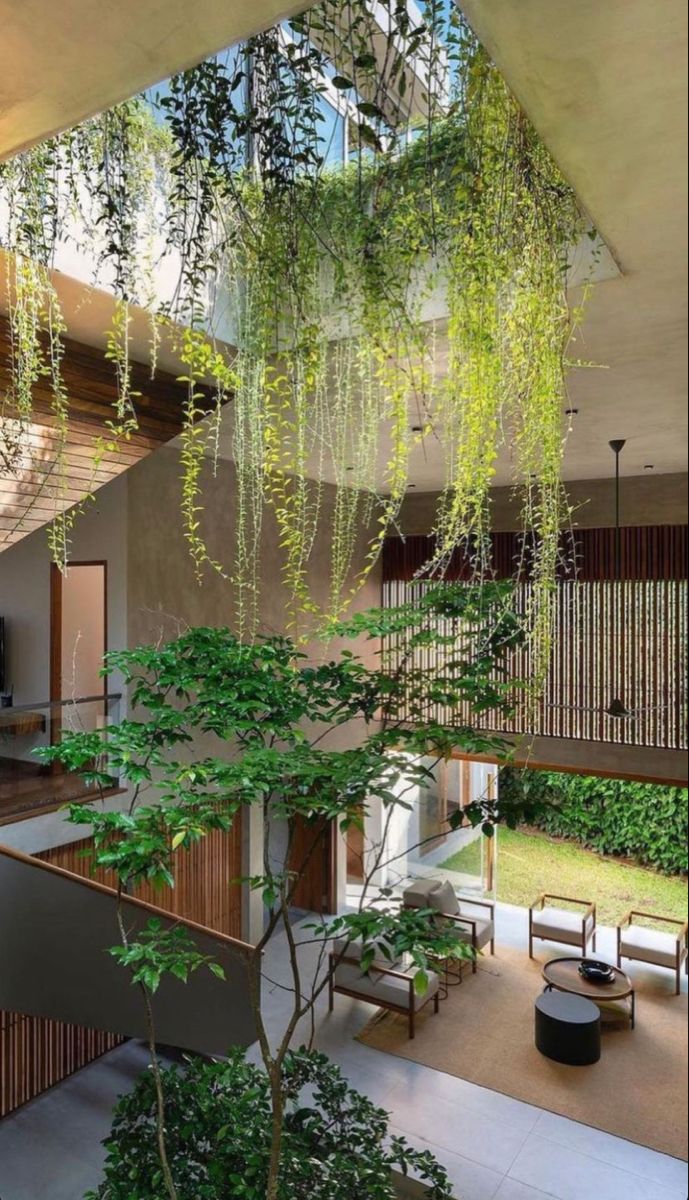
6. Design a skylight landscape with transparent glass walls.
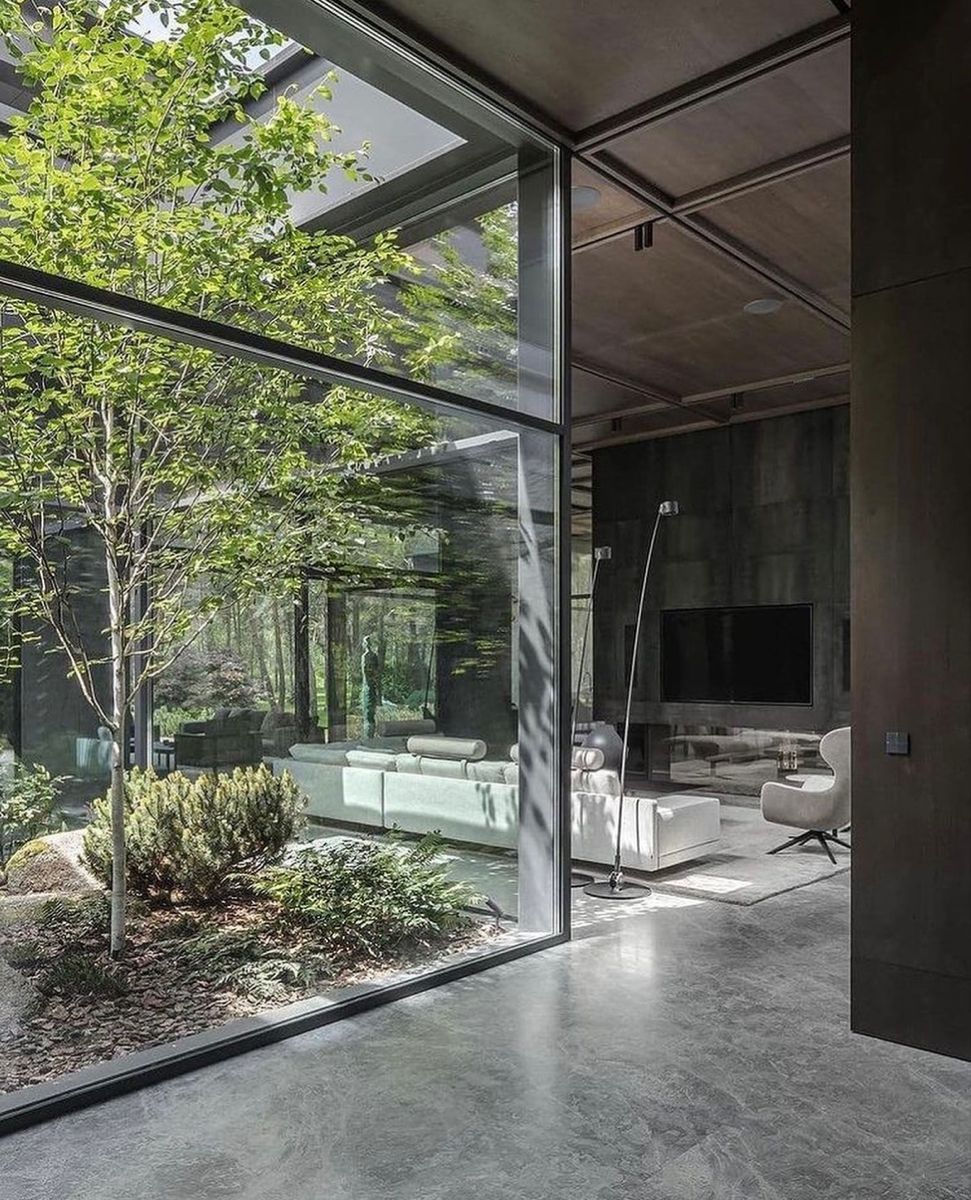
Transparent glass partitions are installed around the plant area, completely separating it from the main living space. This design offers several advantages: it keeps the house clean, free from dirt, sand, or insects; it creates a high-humidity, stable environment ideal for finicky plants like ferns or air plants. Aesthetically, the glass partitions create a luxurious, modern effect, as if you were displaying a living work of art right in your home.

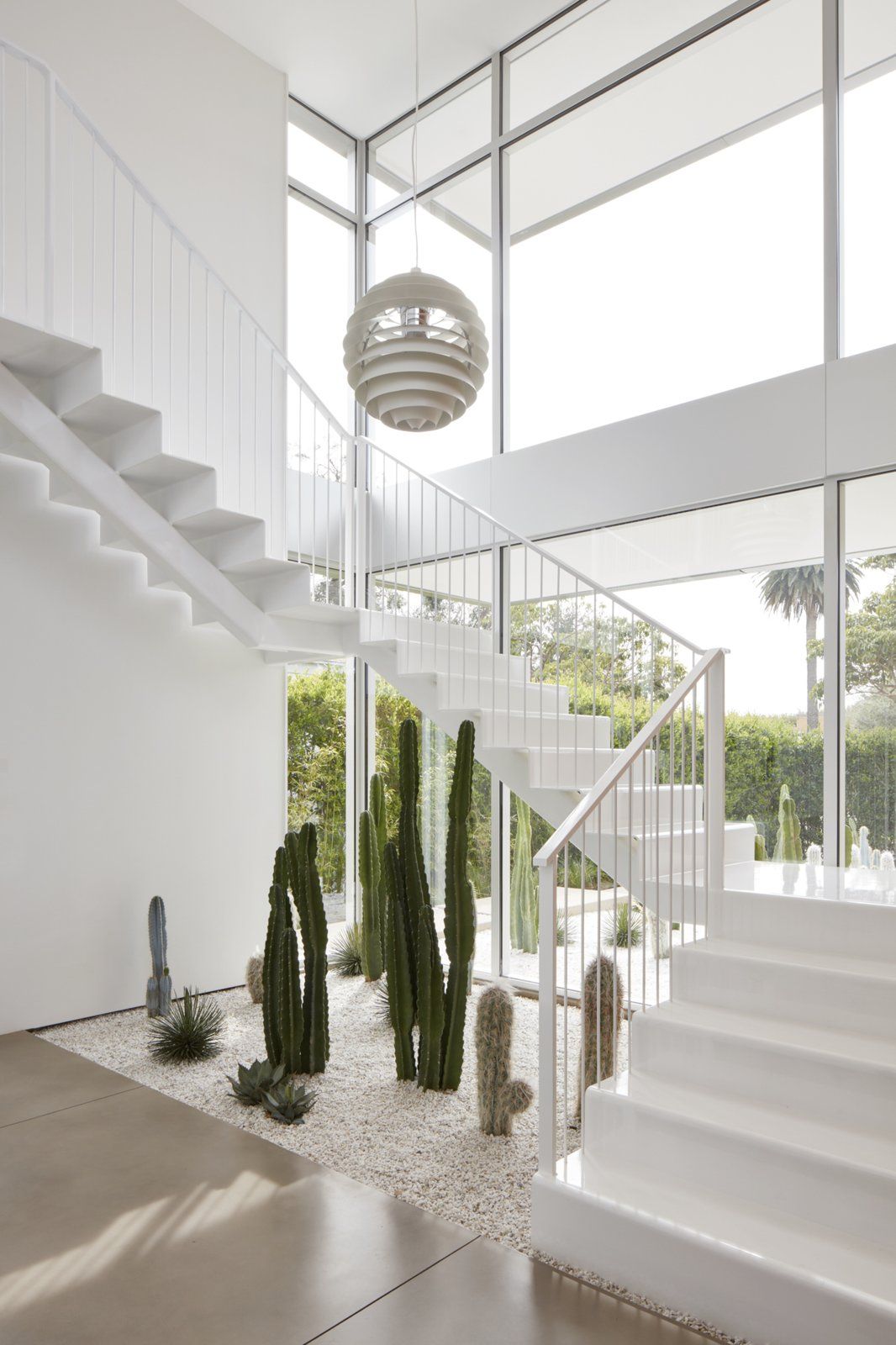
7. Design a skylight landscape using cacti and succulents.
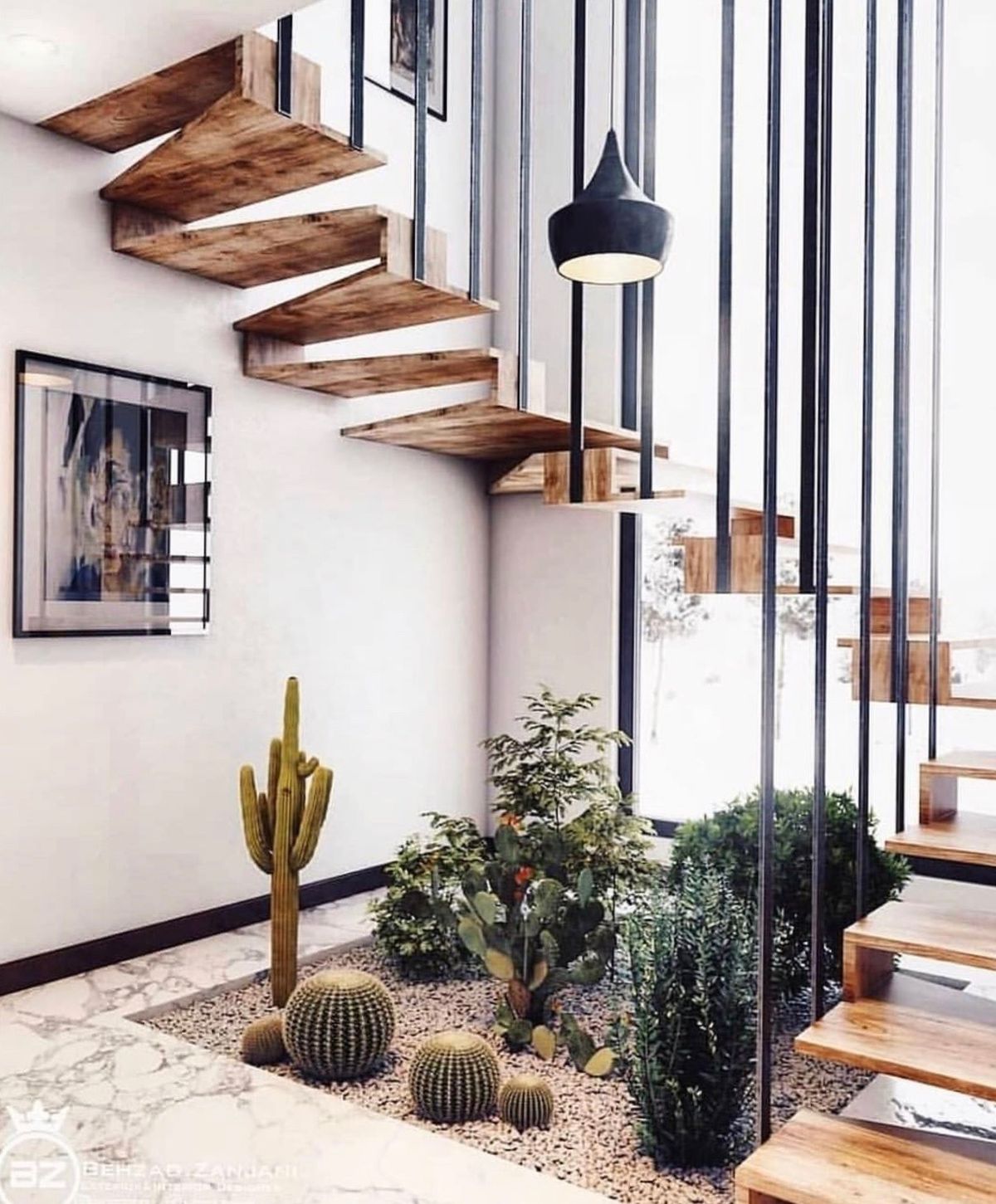
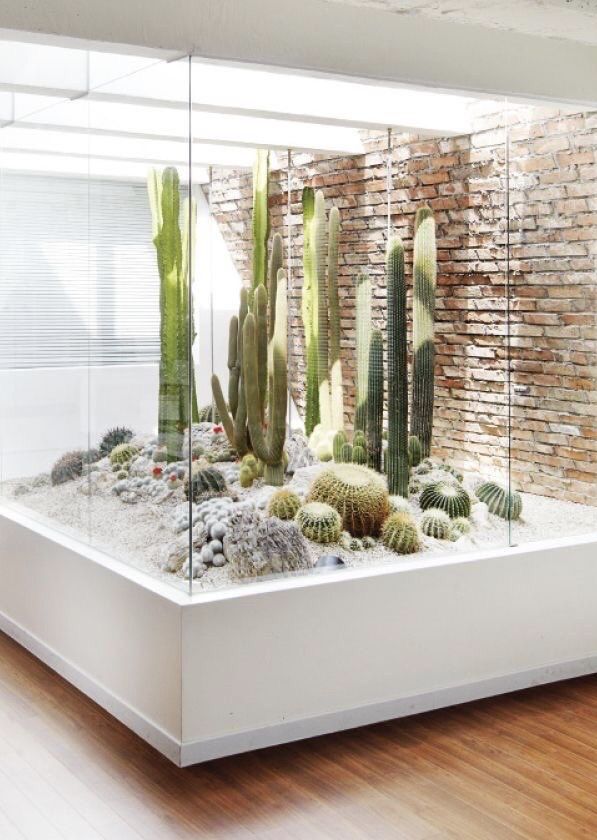
This concept brings a modern, edgy, and distinctive beauty to the atrium space. The miniature desert garden design uses a sand or gravel base, combined with various types of cacti with unique architectural shapes and diverse succulents in various colors. The biggest advantage of this style is that it requires very little water and maintenance. However, a prerequisite is that the atrium must receive plenty of natural light and have an extremely good drainage system to prevent root rot. This is an ideal choice for busy homeowners who appreciate a strong, unique aesthetic.
8. Design a skylight landscape with a bamboo garden.
Designing a bamboo and reed garden landscape brings a graceful, minimalist, and modern beauty to the atrium space. Bamboo and reeds create strong vertical lines, helping to "raise" the height of the space. The landscape base is often covered with white gravel or dark pebbles to create contrast, combined with a few large rocks and patches of green moss. In addition, you can also build a walkway with stepping stones to enhance the aesthetics of the layout. The rustling sound of bamboo leaves in a gentle breeze also contributes to a relaxing and peaceful feeling. The most important thing to note is that root control measures must be used to manage the growth of bamboo and reed roots, avoiding damage to the structure.


Suggestions for the most suitable plants for skylights.
Choosing the right plants is a crucial factor in the success of a skylight landscape design.
- Shade-loving plants (for skylights with little sunlight): Orchid, Pothos (yellow, milky, split-leaf), fern, Aglaonema, evergreenHongmen, wealth and prosperity.
- Sun-loving plants (for a skylight with plenty of sunlight): Singapore almond, Hawaiian palm, dwarf palm, various types of ornamental bamboo, and Schefflera.
- Climbing plants: Ivy, golden pothos, Indian chrysanthemum (only suitable if the skylight is very high and airy enough for the plants to trail downwards), and rice husk.
Notes on maintaining skylight gardens
Even the most beautiful skylight landscape design requires regular maintenance to keep it vibrant. The main tasks include watering according to the needs of each plant, fertilizing regularly (preferably with organic fertilizer), and pruning yellow leaves and dry branches to maintain shape and prevent pests and diseases. Due to the unique space, maintenance can be more challenging than a regular garden. If you don't have much time, using... professional landscape maintenance services Regular maintenance is a sensible option to ensure your miniature landscape continues to thrive.





