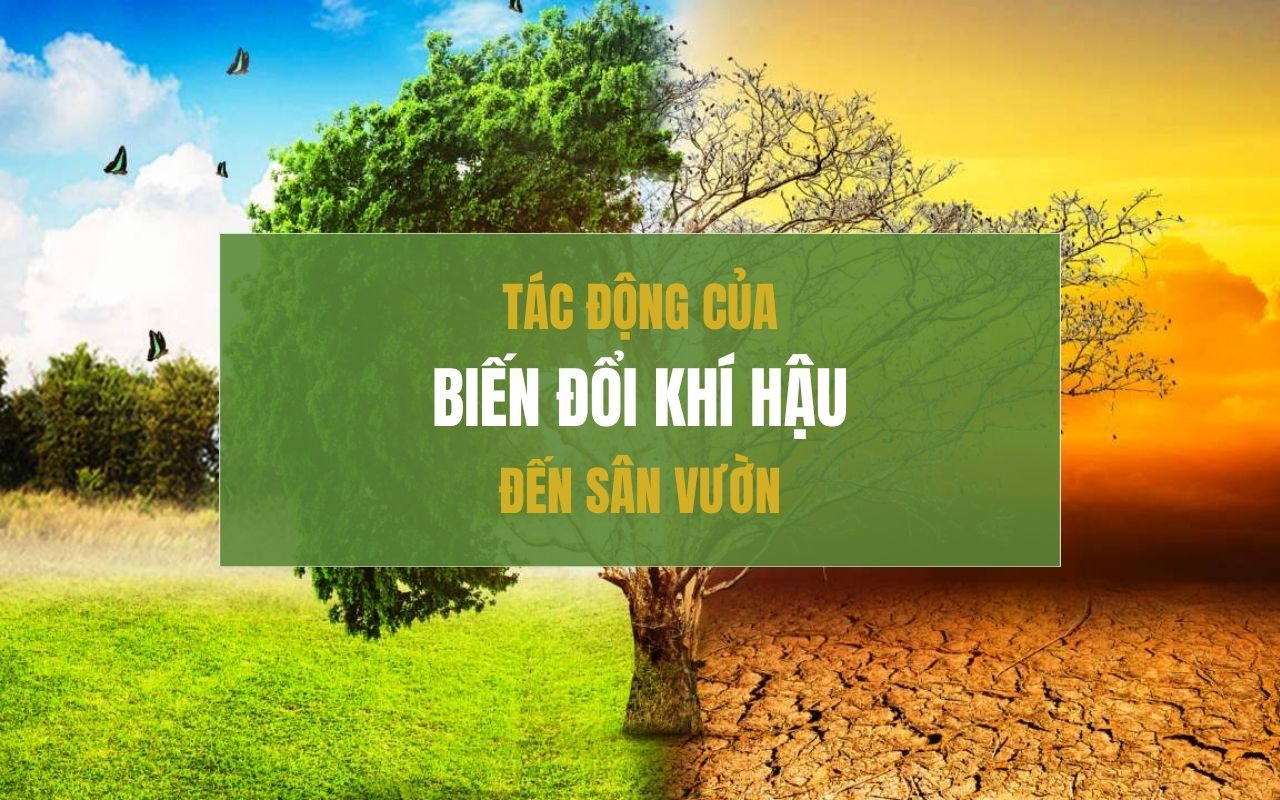
The impact of environment and climate on gardens is no longer a distant concept in the modern gardening world. From temperature changes, heatwave frequency, extreme rainfall to emerging pests and diseases—all directly affect the health, growth, and beauty of green spaces. While gardeners previously only needed to focus on light and watering, understanding the relationship between environment, climate, and garden ecosystems has now become crucial for building sustainable gardens.
This article will thoroughly analyze the impact of environment and climate on gardens through factors such as temperature, water, soil, pests and diseases, and urban ecosystems, while also providing design, maintenance, and adaptation strategies for gardeners, landscape designers, and green space managers.
Current climate picture and trends in Vietnam
Over the past half-century, Vietnam has witnessed significant warming. Average temperatures have risen by approximately 0.5–0.9°C, the frequency of record-breaking hot days has increased, while rainfall and the distribution of the rainy season have changed dramatically. Sea levels along Vietnam's coast are rising, accompanied by saltwater intrusion and more frequent extreme rainfall events.

According to UNDPBy 2050, Vietnam's average temperature could rise by 1–1.7°C, while heavy rains, strong storms, and prolonged droughts will occur with greater frequency. This means that the way we plant, care for, and select plants in our gardens also needs to change to adapt to the new reality—a clear illustration of the impact of the environment and climate on gardens.
Rising temperatures and heatwaves: Physiological impacts on plants
Rising temperatures cause plants to face three main physiological problems: reduced photosynthetic efficiency, increased evaporation rates, and disruption of the growth cycle. When tolerance levels are exceeded, leaves may burn at the edges, flowers may drop prematurely, young fruit may dry out, and the plant may even stop growing. Prolonged heat waves also cause "heat stress," impairing the plant's ability to recover.
To cope, gardeners should apply techniques such as shading with 30–50% netting, deep watering in the early morning, and adding organic matter to help the soil retain moisture longer. Arranging tall trees to provide shade for shorter plants, designing pergolas or green hedges all help reduce the negative impact of the climate on the garden.
Extreme rainfall and flooding: A challenge in drainage.
Unusually heavy rainfall causes many urban gardens or low-lying areas to become waterlogged, depriving plant roots of oxygen, leading to root rot, and eroding the topsoil. The solution is to design smart drainage: using permeable materials, creating channels, or “rain garden"—low-lying areas with moisture-tolerant plants help to retain and filter rainwater."
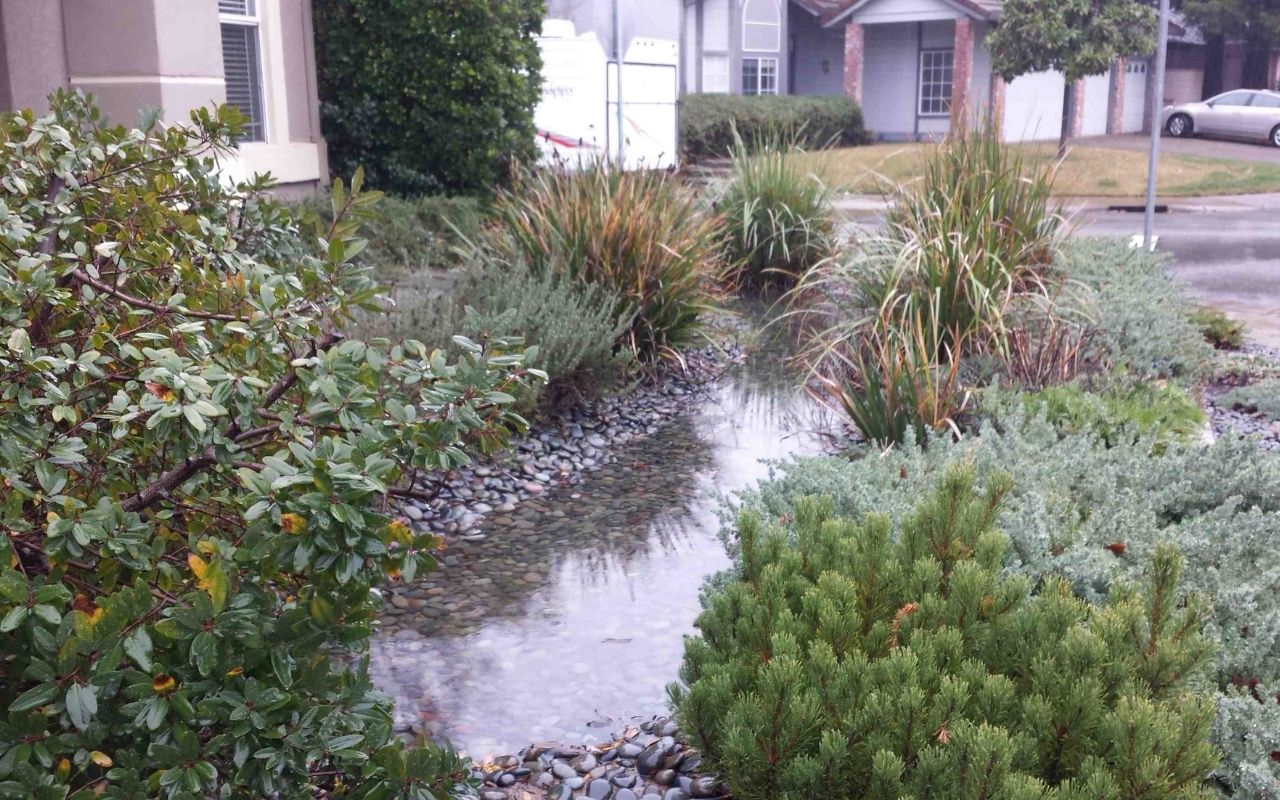
Furthermore, collecting rainwater in tanks not only reduces flooding but also allows for reuse during the dry season, contributing to a positive reduction in the environmental and climatic impacts on the garden.
Prolonged drought and soil moisture balance
Prolonged dry periods cause soil cracking, reduce microbial activity, and slow plant growth. Instead of overwatering, mulch the base of the plants with organic matter, apply drip irrigation, or use the "cycle-and-soak" technique to allow water to penetrate deeper, saving 30–40% of water while still ensuring healthy plant growth.
Pests, diseases, and changes in pollinator populations
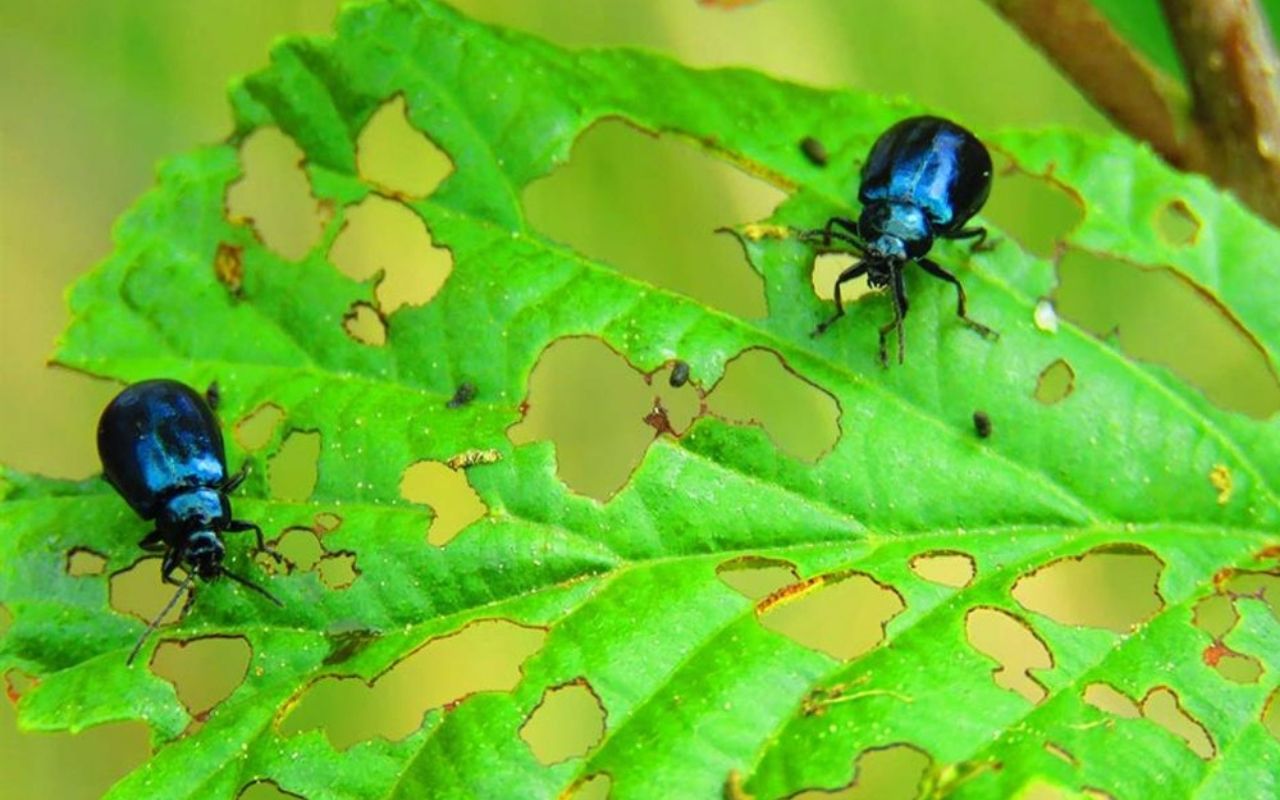
Climate change High humidity leads to the spread of many pests and diseases, and some fungi thrive. Simultaneously, flowering times and pollinating insect activity become out of sync, reducing natural yields. Integrated pest management (IPM) and increased biodiversity in the garden are key to mitigating the impact of climate change on the orchard.
Soil, microorganisms, and nutrient cycles
Soil is the foundation of every garden. When the climate changes, microbial activity is disrupted, affecting the nutrient cycle. The solution is to maintain stable humus levels, compost, and reduce heavy tillage to protect beneficial microorganisms—a crucial factor in helping gardens adapt to environmental and climatic influences.
Urban Gardens: The Urban Heat Island Phenomenon and the Role of Greenery
The urban heat island effect causes cities to be 2–5°C hotter than their suburbs. Greenery is an effective natural solution to reduce heat, filter the air, and improve the quality of life. Urban garden design It is important to focus on arranging large trees, lawns, and light-reflecting materials to help balance the thermal and humidity ecosystem of the area.
Principles of climate-adaptive garden design
A sustainable garden should not only be beautiful but also well-adapted to the future:
- Assess the current microclimate conditions before designing.
- Choose native plants that are drought-tolerant and flood-tolerant.
- Increase soil organic matter content and reduce heavy tillage.
- Smart water management using drip irrigation and rainwater harvesting systems.
- Create shade using pergolas, tall trees, and trellises.
- Diversify biological resources and intercrop flowering plants to attract natural predators.
Practical action – start with small changes to reduce the impact of the environment and climate on your garden.
- Mulch the base of the plant with organic material to retain moisture and protect the roots.
- Install a rainwater collection tank on the porch.
- Utilize green waste for composting.
- Intercropping nectar-bearing flowers attracts bees, butterflies, and predators.
The impact of the environment and climate on gardens is unavoidable, but it also presents an opportunity for every gardener to learn how to adapt, appreciate, and live in harmony with nature. When we understand and "cooperate" with the climate, gardens will not only thrive year-round but also contribute to reducing environmental impact, preserving biodiversity, and providing a healthy, sustainable living space for everyone.