During the process of growing plants, especially potted plants and indoor ornamental plants, many growers try to save their plants until it's too late. This not only makes it difficult for the plant to recover but also poses a risk of spreading disease to other potted plants, ruining the entire growing system and surrounding environment.
Knowing when to continue caring for the plants and when to stop for thorough treatment is a crucial skill that saves time, effort, and protects healthy plants.
1. Not all plants that are waterlogged or diseased can be saved.
Many growers have the mentality of "as long as it's green, it can still be saved," however, reality shows that a tree's ability to recover depends greatly on the condition of its roots, main trunk, and root system. When these parts are severely damaged, the tree is almost incapable of regenerating itself.
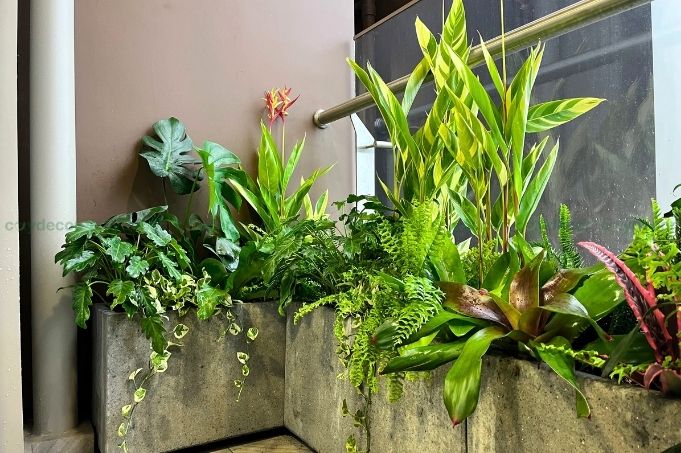
Continuing to keep a waterlogged, completely withered plant not only wastes time but also allows fungal and bacterial diseases to persist in the growing medium and pot. This is a common cause of the "one plant dying, then another dying" phenomenon in the same space.
2. Signs that indicate a very low chance of saving a plant suffering from waterlogging and root rot.
Several signs indicate that the plant has exceeded its normal recovery threshold. When multiple of the following signs appear simultaneously, growers should consider removing the plant rather than attempting further treatment.
- The base and main stem become soft, porous, or unusually dark in color. When pressed gently, the stem tissue loses its elasticity and indents or oozes fluid. This indicates that the conducting tissue has been severely damaged.
- A strong, foul odor emanates from the base of the plant or from within the pot. This odor is usually caused by anaerobic bacteria and fungi decomposing root and stem tissue, indicating that the root system is almost completely dead.
- The roots turn dark brown, become soft and mushy, and the outer layer peels off easily with a light touch. If most of the roots are in this condition, the plant's ability to absorb water and nutrients is almost zero.
- The tree trunk becomes hollowed out from the inside or develops rapidly spreading rot despite watering being stopped and the environment being changed. This indicates that the disease has spread to the core tissue, making it very difficult to control with conventional methods.
3. When retaining a tree poses a risk to other trees.
In potted plant environments, especially on balconies, rooftops, or areas with many pots placed close together, diseases can spread rapidly through irrigation water, care tools, and growing medium.
If a tree has Signs of waterlogging and root rot in plants. If the condition is severe, has a strong odor, or progresses rapidly within just a few days, keeping this plant can cause fungal spores and bacteria to spread to surrounding pots. This is why many people experience the situation where "even after changing the potting mix, the newly planted plant still dies."
In such cases, removing diseased plants early helps protect the small ecosystem within the growing space and minimizes future risks.
4. Dangerous diseases that require special attention
Some root rot and stem rot diseases can spread rapidly and persist for a long time in the soil and growing medium. Among them, diseases caused by aquatic fungi include: Phytophthora It can often have serious consequences if not handled properly.
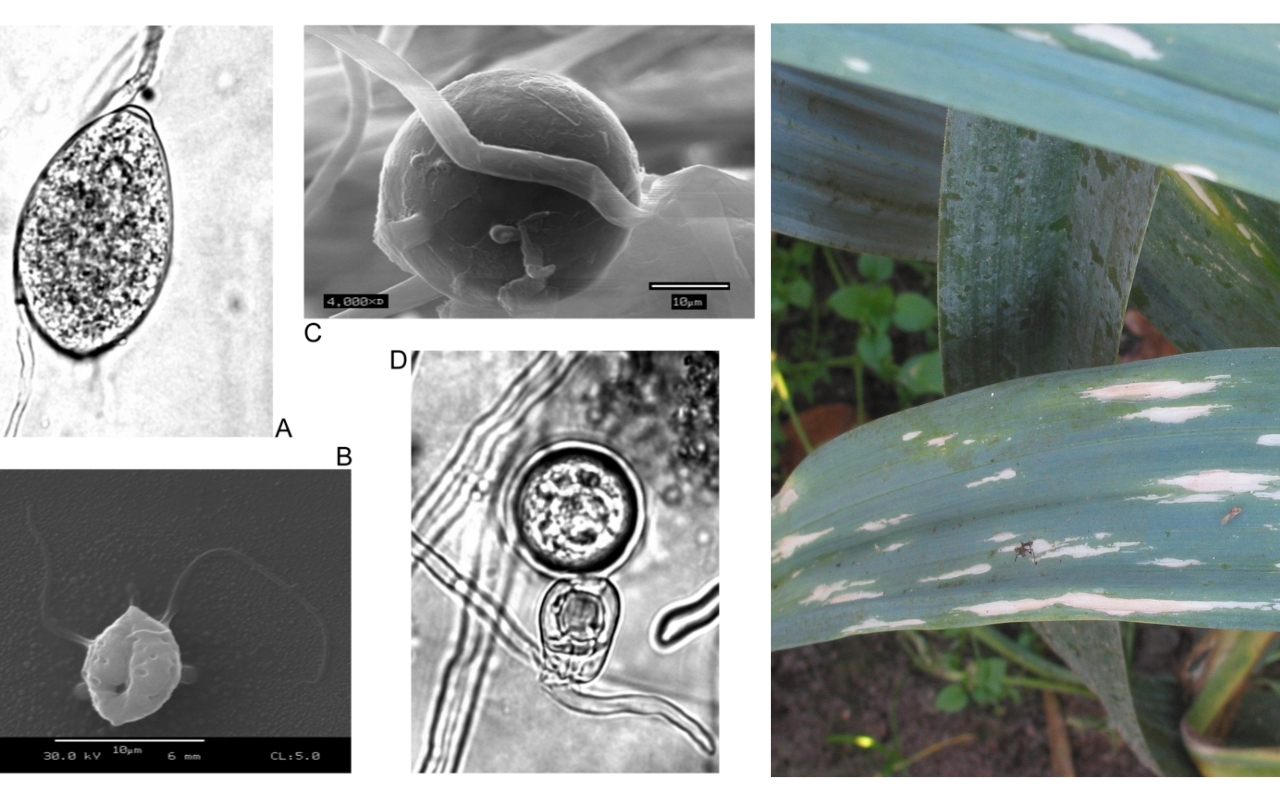
Common symptoms include wilting even when the growing medium is moist, rapid root rot, uniform leaf yellowing, and failure to recover despite reduced watering. The disease can spread through irrigation water, contaminated soil, or pre-existing seedlings.
When you suspect your plants are infected with these diseases, self-treatment using conventional methods is often ineffective. For large-scale planting or in orchards, it's advisable to contact plant protection agencies, agricultural extension centers, or seed suppliers for assistance with diagnosis and guidance on appropriate treatment.
5. What should you do when you decide to remove a tree?
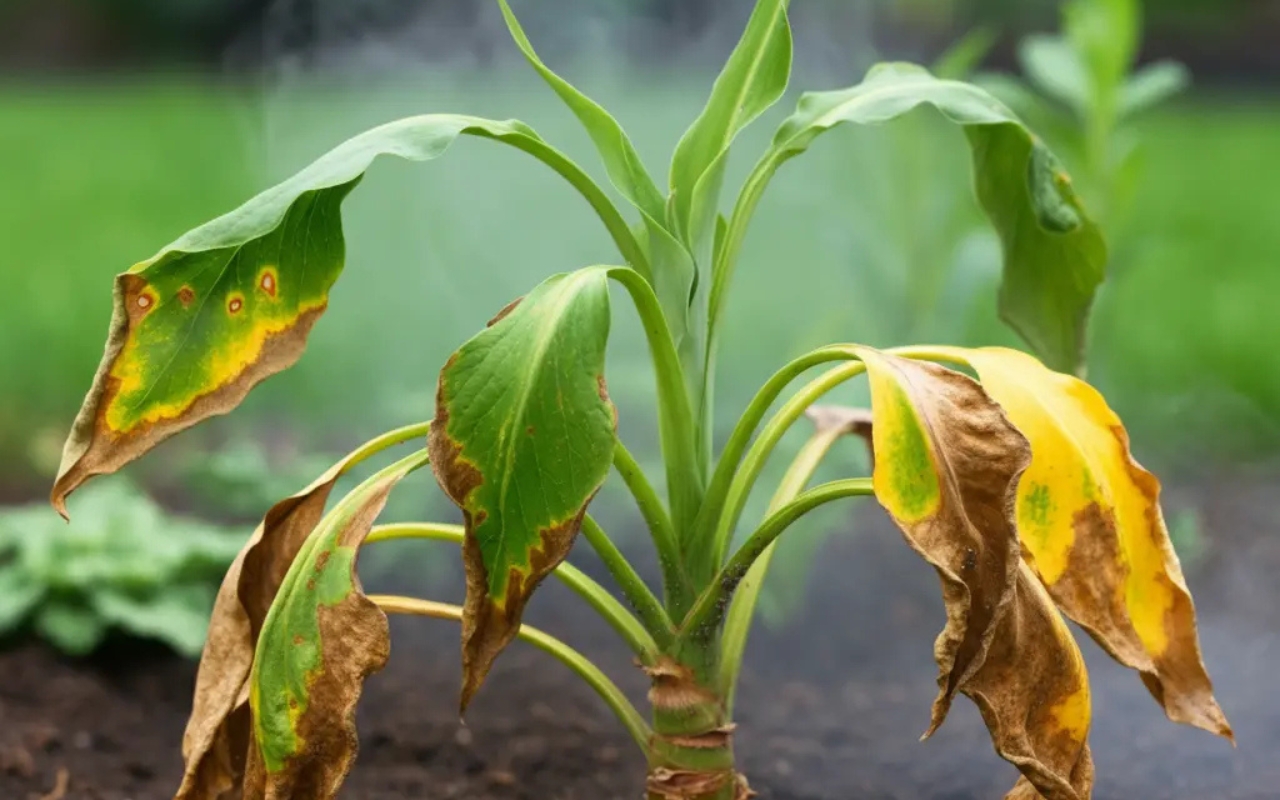
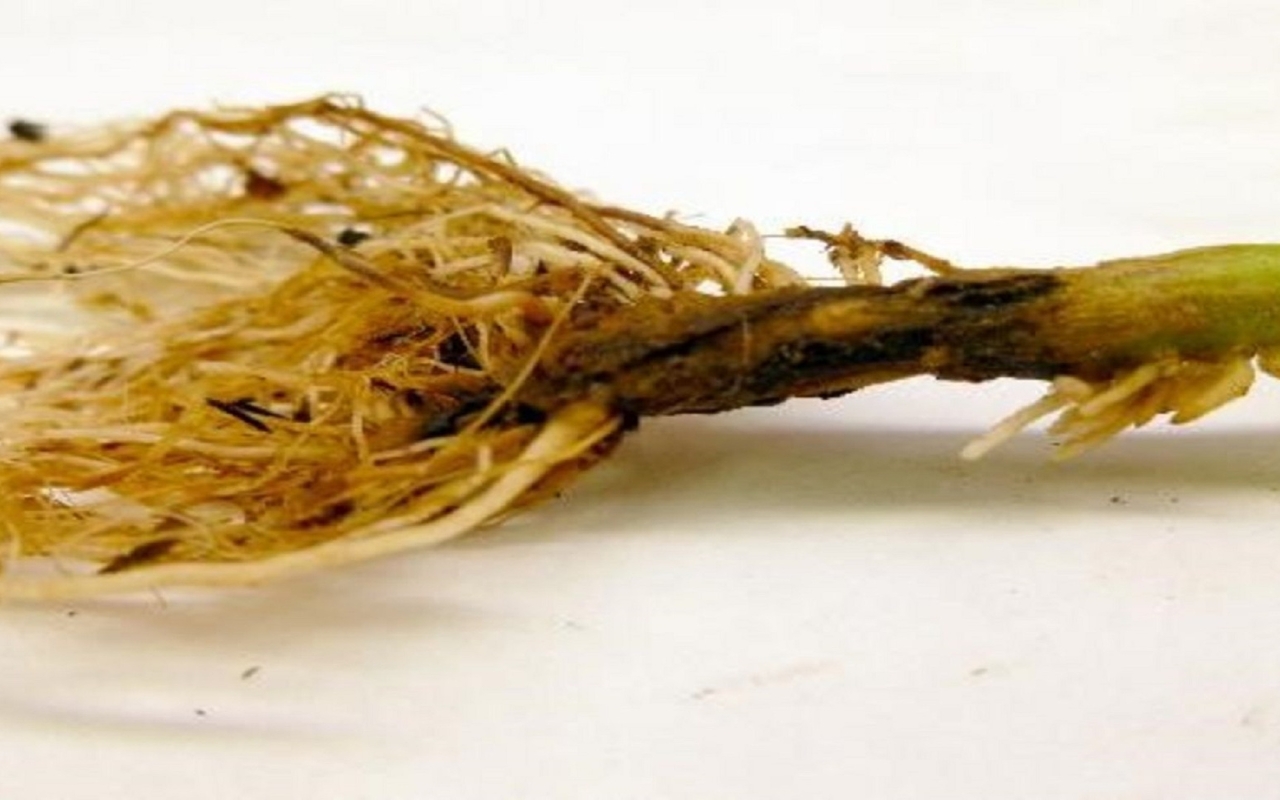
Diseased plants must be removed properly to prevent the disease from persisting and recurring.
- First, you need to remove the entire plant, including any remaining roots in the pot. Don't just cut off the top part, as the diseased roots will continue to decompose and spread.
- Old growing medium should be completely discarded and not reused for other plants, even if dried. In cases of severe disease, the growing medium should be placed in a sealed bag and disposed of as organic waste, avoiding direct disposal into the garden.
- The planting pot should be thoroughly cleaned with clean water, then soaked or rinsed with a mild disinfectant solution. Allow the pot to dry completely before reuse to reduce the risk of residual pathogens.
- Gardening tools such as pruning shears, planting trowels, and gloves should also be cleaned before being used on other plants.
6. When should we still try to save the tree?
Not all cases of root rot or waterlogging require removal. If the main stem remains firm, has no noticeable odor, and still has healthy white roots, the plant has a good chance of recovery with timely treatment.
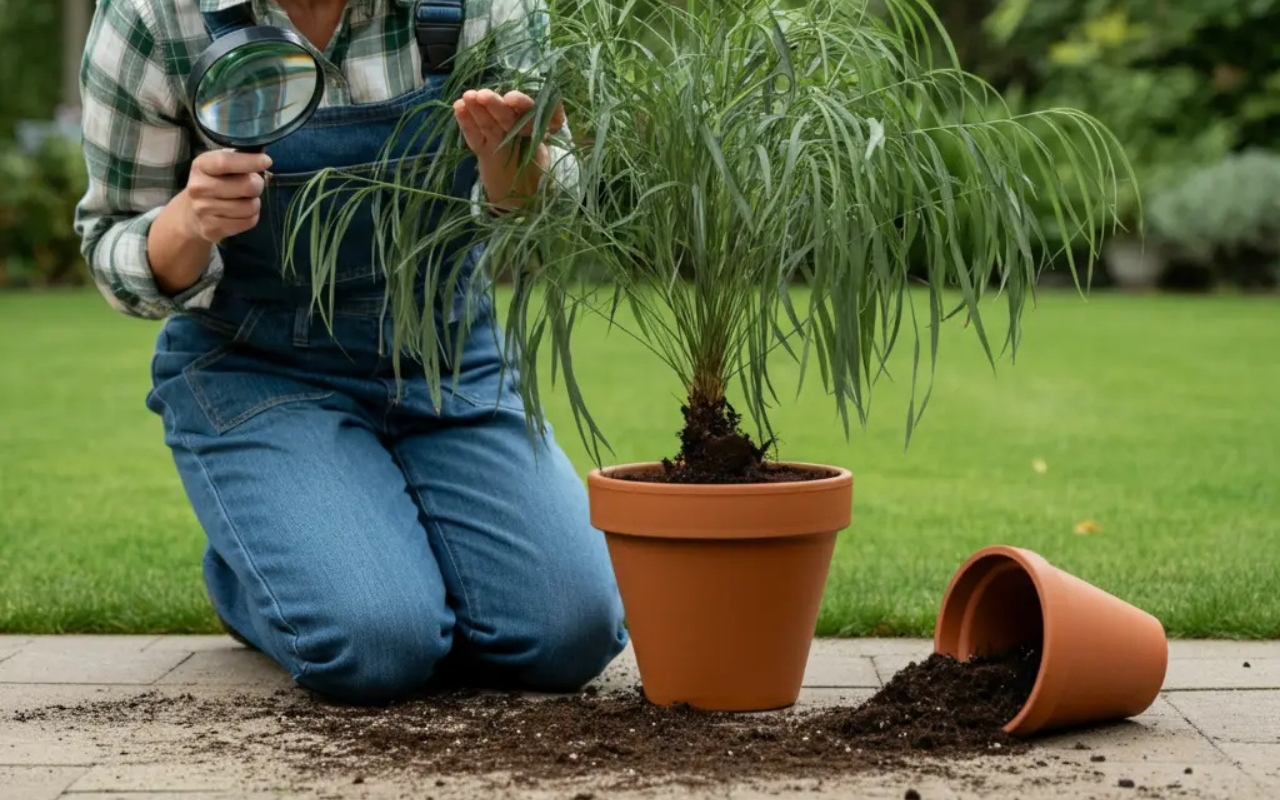

These cases usually respond well to replacing the potting mix with clean soil, improving drainage, and adjusting the watering regime and light environment. The plant may take time to recover, but there is still a chance it will thrive again.
The key is to accurately assess the extent of the damage. When the tree's "core" remains intact, continued care is perfectly reasonable.
7. Prevention remains the most sustainable solution.
Most cases of plant death due to waterlogging or root disease stem from poorly draining substrates, uncontrolled watering, and a stuffy growing environment. Choosing the right substrate, changing it regularly, and checking moisture levels before watering significantly reduce the risk of disease.
Additionally, separating newly purchased plants for a period of time before placing them with other potted plants helps reduce the risk of introducing pathogens into the growing space.
8. Knowing when to stop is also a way to care for plants.
In gardening, trying harder doesn't always yield better results. Knowing when to stop, remove diseased plants, and start over is a crucial part of sustainable garden care.
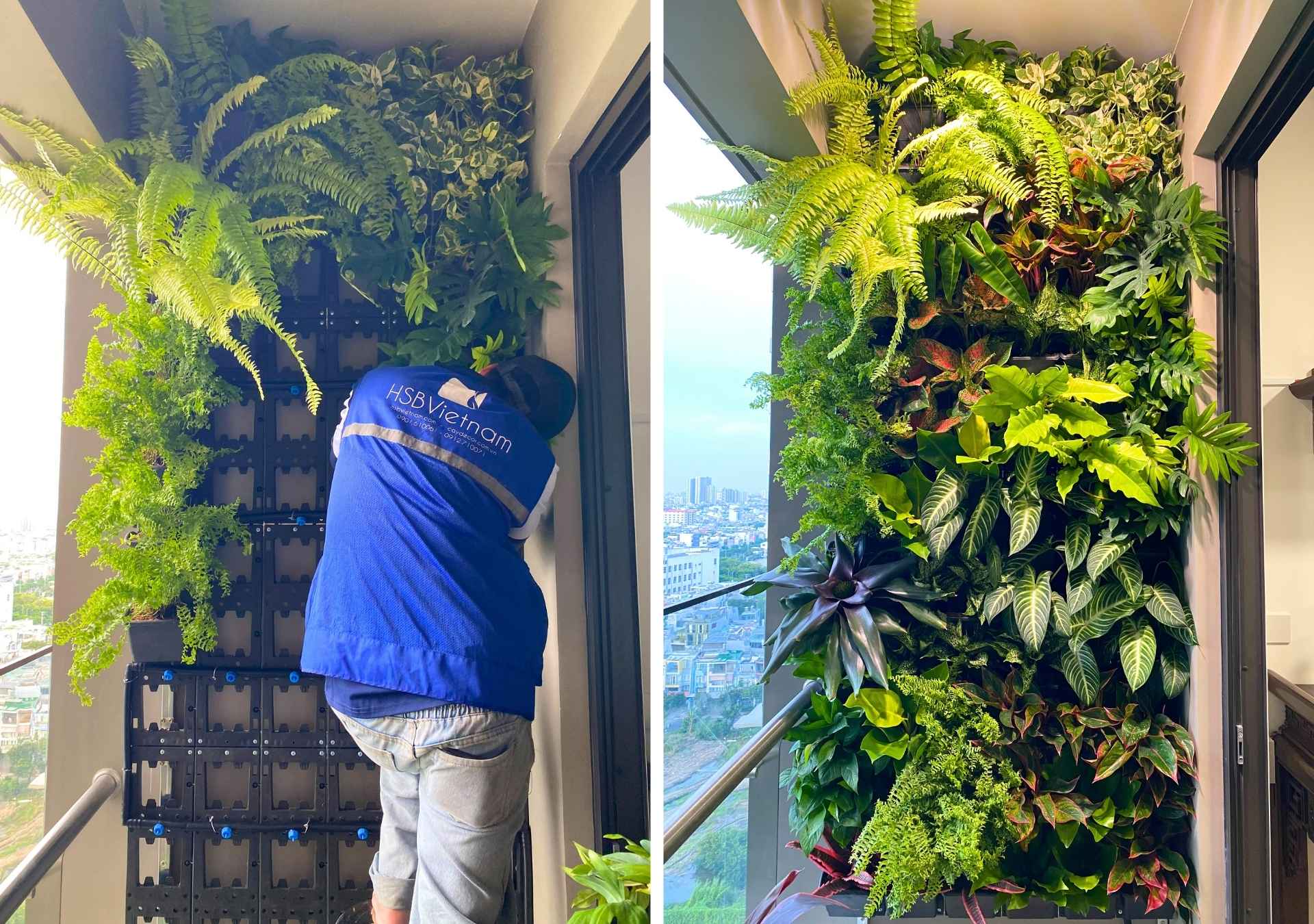
A healthy potted plant starts with clean potting mix, the right environment, and the right timing. Sometimes, removing a plant that is no longer viable is the best way to protect others and keep your garden healthy in the long run.