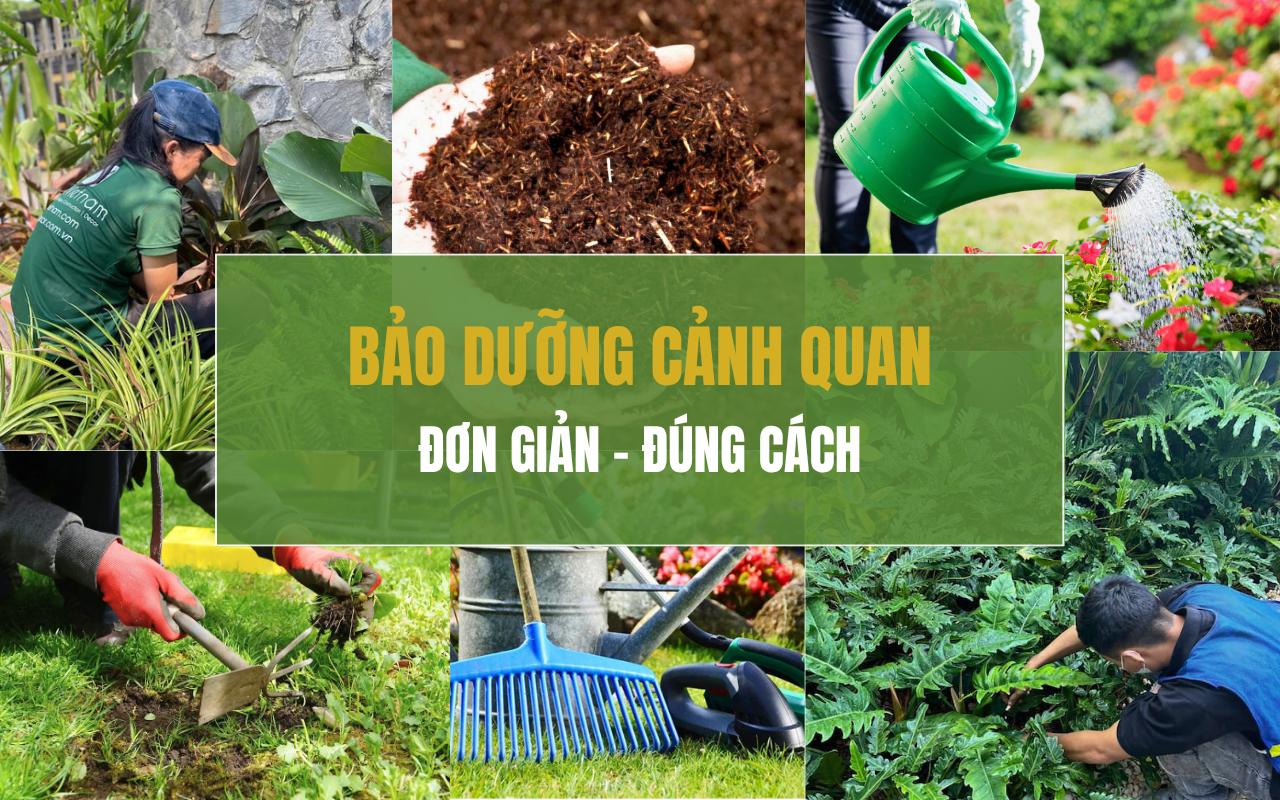
Owning a garden, a lush green landscape, is wonderful. But to maintain that beauty over time, proper care and maintenance are crucial. Many people think this is a complex task requiring specialized skills. However, in reality, you can absolutely perform basic maintenance yourself to keep your garden healthy and vibrant.

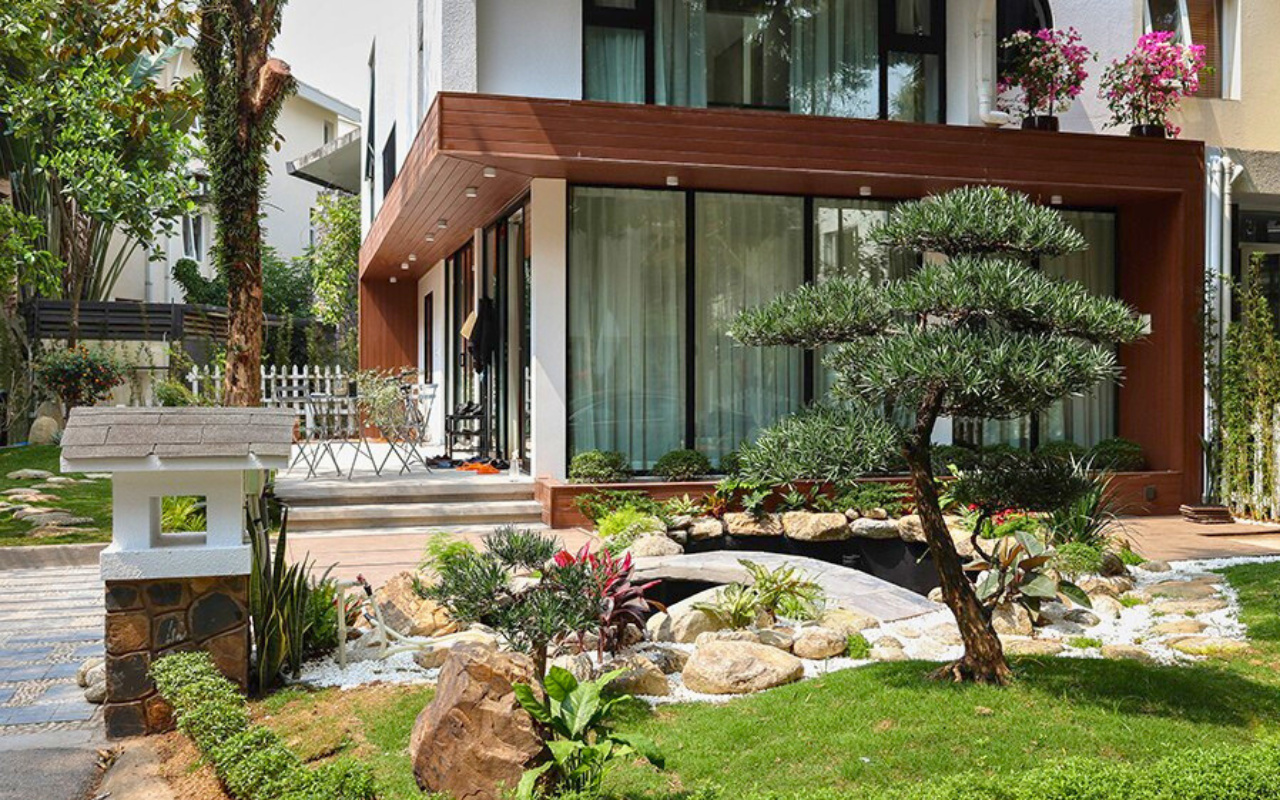
The importance of landscape care and maintenance.
A neglected garden will quickly become overgrown, with plants growing haphazardly and harboring many diseases. Regular landscape care and maintenance not only beautifies the garden but also brings many practical benefits such as:
- Ensuring plant health: Pruning, fertilizing, and pest control help plants grow healthier, flower better, and bear fruit more effectively.
- Maintain aesthetic appeal: A well-maintained and clean garden always creates a relaxing and pleasant space, enhancing the aesthetic value of the entire living environment.
- Preventing major problems: Regular inspections help detect problems such as pests, waterlogging, and soil degradation early, allowing for timely intervention before they become serious. This saves time, money, and effort for the family.
- Long-term cost savings: Regular maintenance helps you avoid the costly expense of restoring a severely damaged garden or replacing trees en masse.
A guide to proper home landscaping and maintenance.
1. Watering
Watering is the most frequent task, but it's also the step where many people make the most mistakes, leading to root rot or stunted growth. The golden rule when watering is "water deeply, water sufficiently, but not too often."
Determine when watering is needed.
Don't water according to a fixed schedule. Check the soil moisture. The simplest way is to press your finger into the soil about 2-3 cm deep. If the soil feels dry, it's time to water. For potted plants, you can feel the weight of the pot.
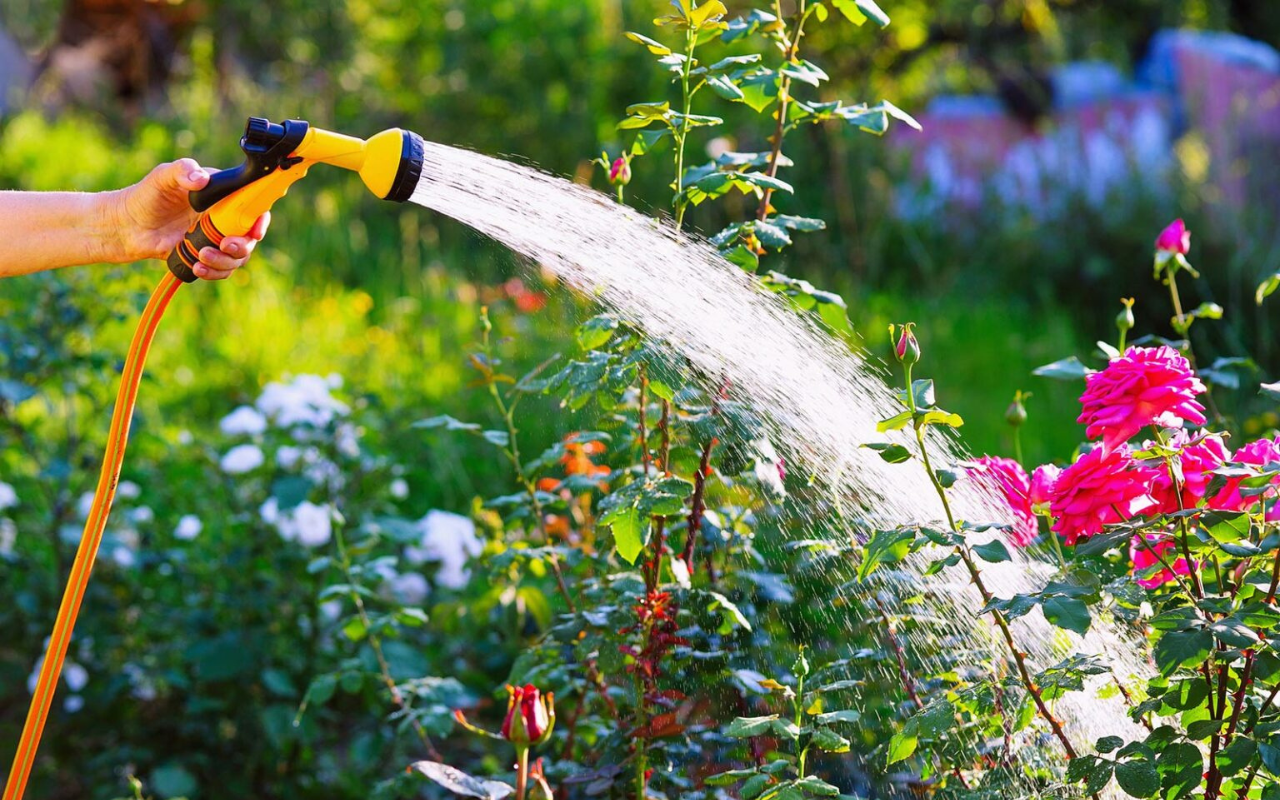
Ideal time for watering
Always water in the early morning (before 9 am) or late afternoon (after 4 pm). Watering in the morning ensures the plants have enough water for the hot day and the leaves have time to dry before nightfall, reducing the risk of fungal diseases. Avoid watering at midday in the intense sun because the water will evaporate quickly and the plants are susceptible to heat shock.
Efficient irrigation methods
- Watering at the roots: Focus watering directly on the soil around the base of the plant, where the root system is concentrated. Avoid watering the leaves and flowers, especially in the evening.
- Water slowly and deeply: Instead of watering heavily, water slowly to allow the water time to penetrate deep into the soil, encouraging deeper root growth and helping the plants withstand drought better. For lawns, deep and infrequent watering is better than daily watering.
2. Pruning trees
Pruning not only enhances the beauty of a tree but also helps maintain its health and growth. It's a top priority to remove dead, diseased, or damaged branches. This prevents the spread of pests and diseases and allows the tree to concentrate nutrients on healthy parts.
In addition, pruning trees also helps to:
- Create ventilation: Prune away overly dense or intertwined branches to improve air and light circulation, reduce humidity, and prevent fungal diseases.
- Shaping: It helps maintain the desired shape of shrubs, hedges, or ornamental plants, preventing them from growing too large and overwhelming the space.
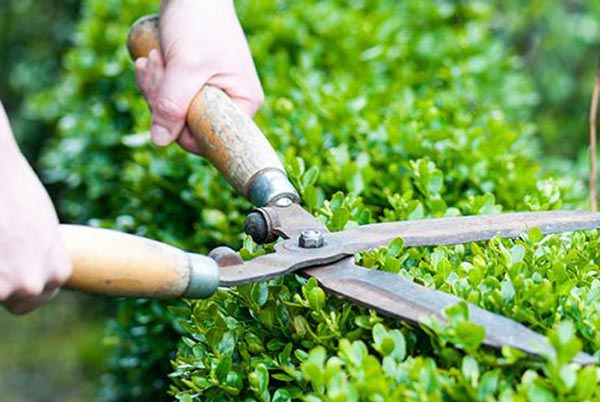
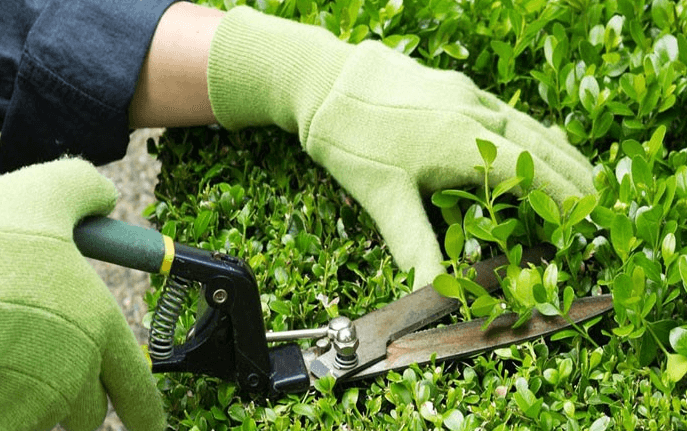
When pruning, use sharp and clean tools (pruning shears, saw) to ensure clean cuts that heal quickly. You can disinfect tools with alcohol before and after pruning diseased trees to prevent infection.
3. Fertilization
Fertilizer It is divided into three main types:
- Organic fertilizer (Compost, vermicompost, well-rotted manure): The effects are slow but lasting. They not only provide nutrients but also improve soil structure, making the soil more porous and better able to retain moisture. This is an ideal choice for long-term soil improvement.
- Inorganic fertilizers (NPK): Provides nutrients quickly in a form that plants can absorb immediately. Suitable for plants needing to flower or recover from disease. (N - Nitrogen: promotes leaf growth; P - Phosphorus: promotes root and flower development; K - Potassium: enhances resistance).
- Microbial fertilizers (Microbial preparations): Adding billions of beneficial microorganisms to the soil helps break down organic matter and convert insoluble nutrients into easily absorbable forms, allowing plants to maximize nutrient absorption. Using microbial fertilizers strengthens plants' natural resistance and sustainably improves soil fertility.
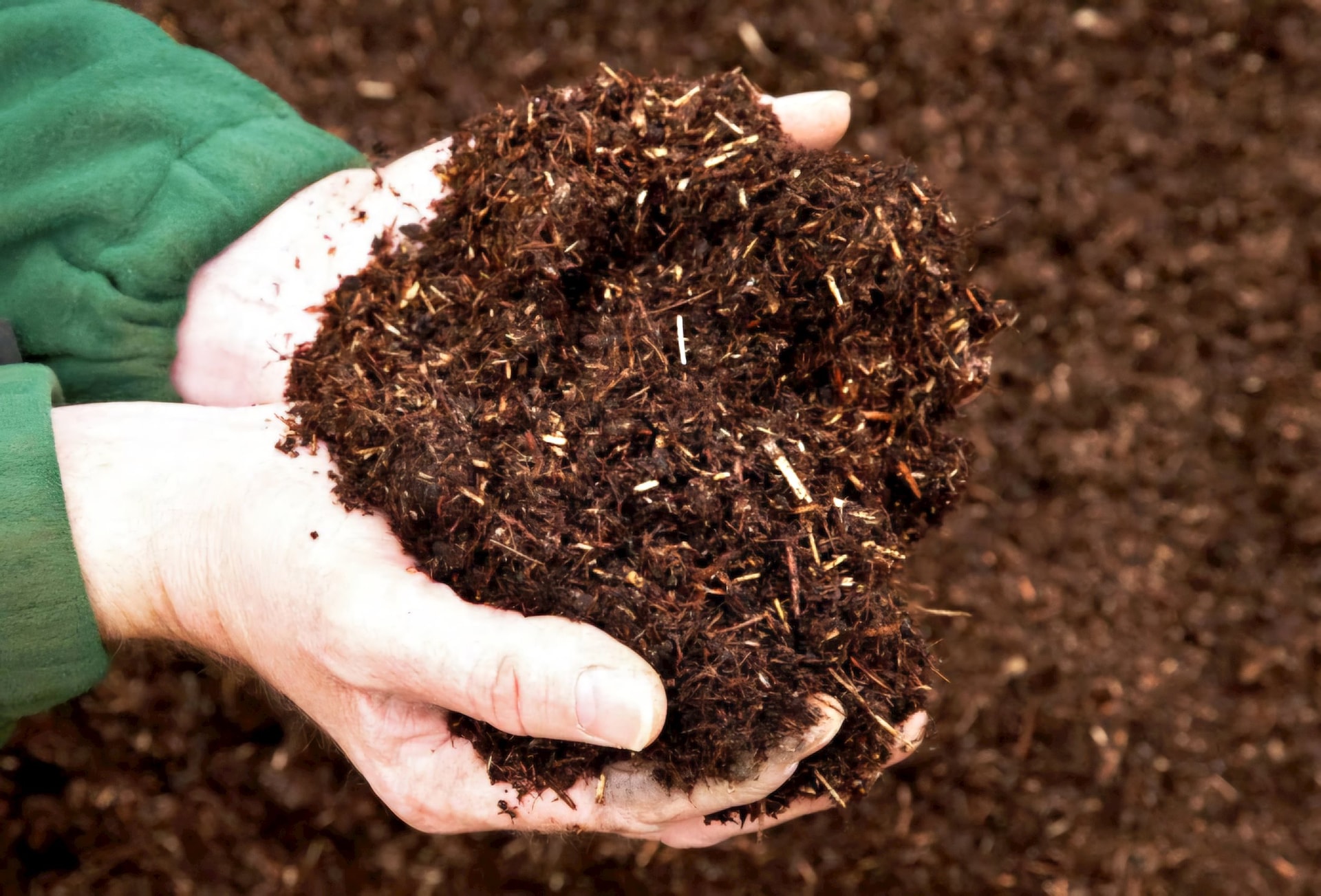

Always read the instructions carefully to ensure safe fertilization. The general rule is to fertilize when the soil is moist and water immediately after fertilization to dissolve the fertilizer and allow it to penetrate the soil, avoiding root burn. Do not apply fertilizer too close to the base of the plant.
4. Pest and weed management
Weed control
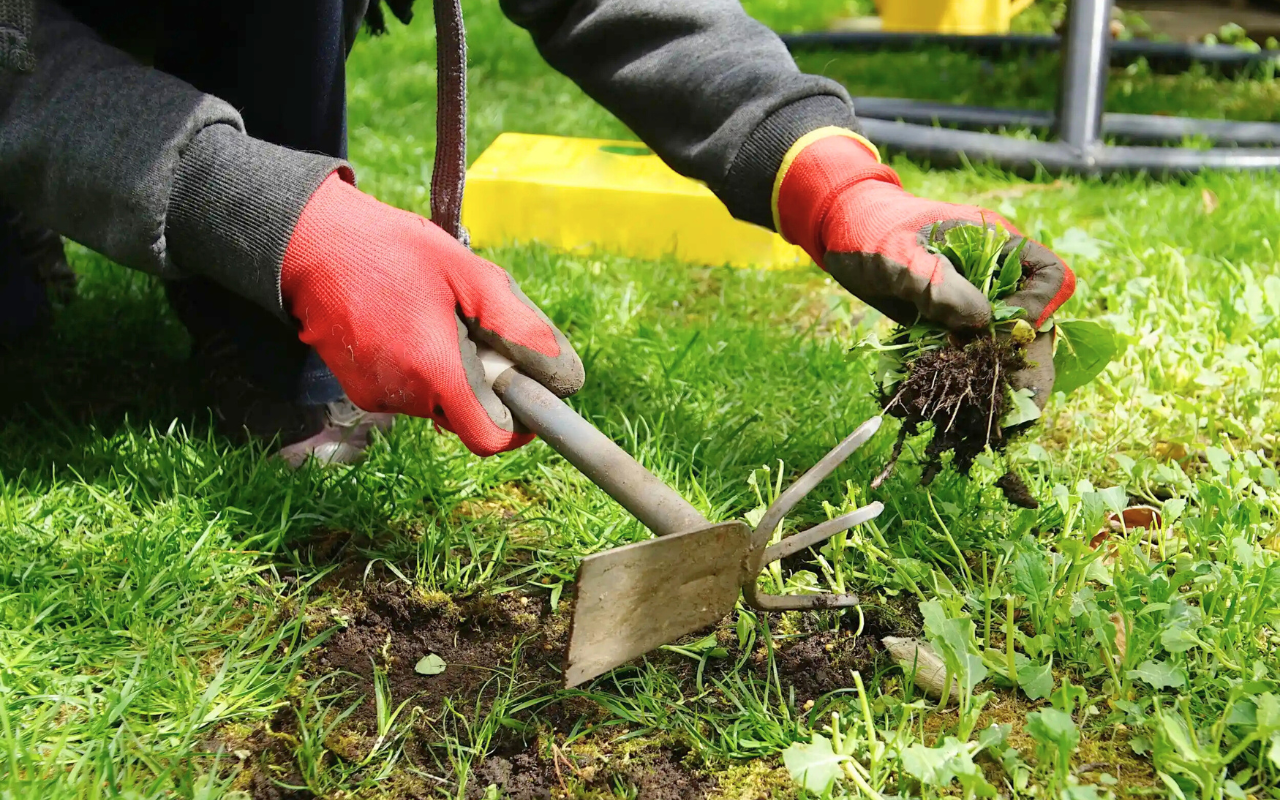
- Pulling by hand: The most effective and safest method for home gardens. It's best to pull them up while the soil is still moist to easily pull the entire root system out.
- Use mulching: Apply a layer of bark, straw, or dry leaves around the base of the plants. This mulch will block sunlight from reaching weed seeds, preventing them from germinating. It also helps retain soil moisture and adds organic matter as it decomposes.
Pest and disease prevention and treatment
- Regular inspection: Make it a habit to observe your plants, especially the underside of leaves and young shoots, to detect any signs of abnormality early.
- Prioritize biological solutions: When pests are detected in the early stages, try safe methods such as hand-picking, using a strong stream of water to wash away aphids, or using a homemade solution made from ginger, garlic, chili peppers, and neem oil. These solutions are safe for humans and the environment. Only use chemical pesticides as a last resort.
5. General cleaning
- Remove fallen leaves and dry branches. It helps keep the garden clean and eliminates hiding places for insects and pathogens.
- Cleaning hard surfaces: Regularly sweep and clean walkways, patios, and outdoor furniture to keep the landscape clean and tidy.
Suggested schedule for regular landscape maintenance
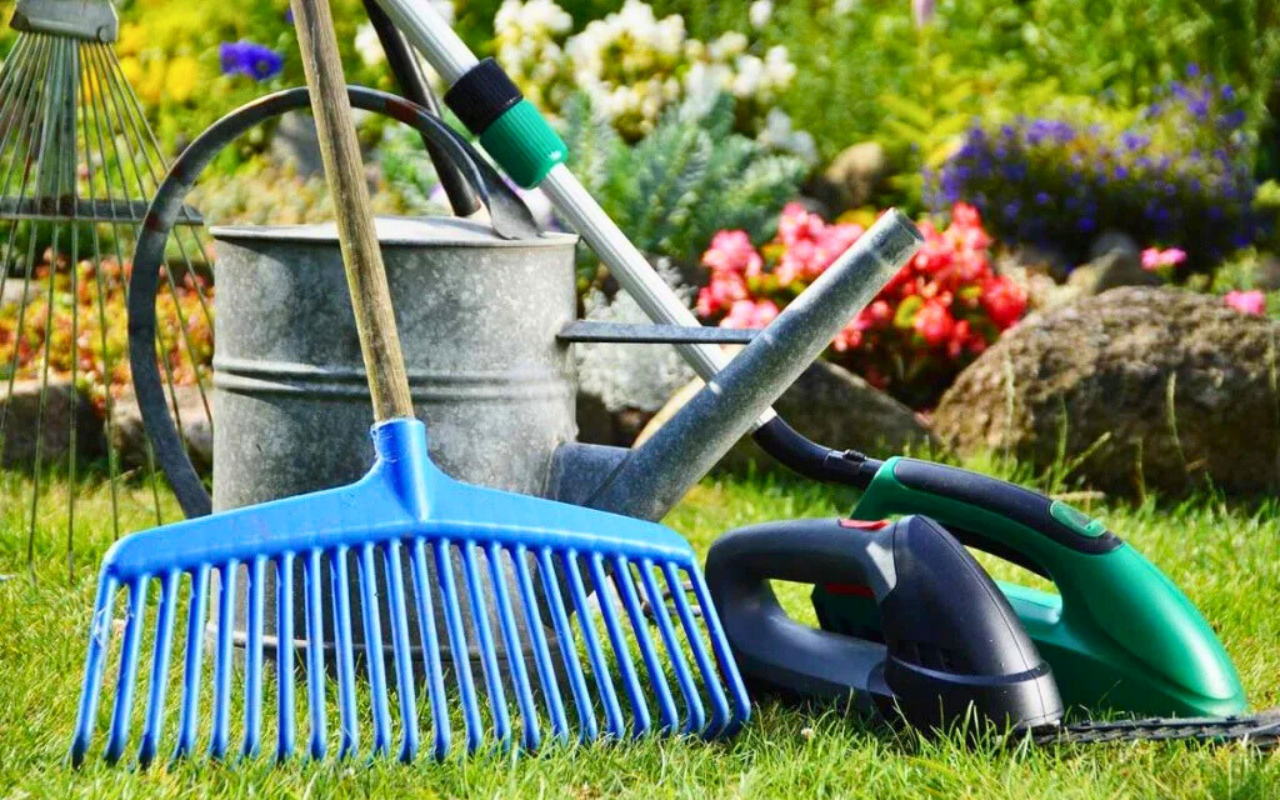
To make the job easier, you can break down the tasks of caring for and maintaining your home's landscape according to the following regular schedule:
Weekly
- Water the plants according to their needs.
- Pulling weeds
- Sweep up dry leaves and trash in the garden.
- Quick check of the condition of the trees
Monthly
- Mowing the lawn
- Trim away small branches and withered leaves.
- Fertilize plants that have high nutritional needs (especially flowering plants and fruit trees).
Seasonal (Every 3 months)
- Perform major pruning to shape and define the tree's canopy.
- Fertilize the entire garden regularly.
- Improve the soil if necessary.
When should you seek professional landscape care and maintenance services?
The above guidelines may be suitable for maintaining a small and simple garden. However, in many cases, doing it yourself will not be enough to ensure quality or will take too much time and effort. This is when you should consider assistance from professional services.
You should seek professional landscape maintenance services When:
- The landscape is large-scale and complex: With large gardens containing a wide variety of plants and automatic irrigation systems, maintenance requires specialized knowledge and comprehensive equipment.
- Lack of time or experience: A busy life may prevent you from dedicating time to your garden, or you may lack confidence in your gardening skills.
- Addressing serious issues: When plants are severely or widely affected by pests or diseases, or when there are soil-related problems that home remedies cannot solve.
- Highly skilled technical jobs are needed: This includes pruning large trees, dealing with complex diseases, installing or maintaining irrigation systems, etc.
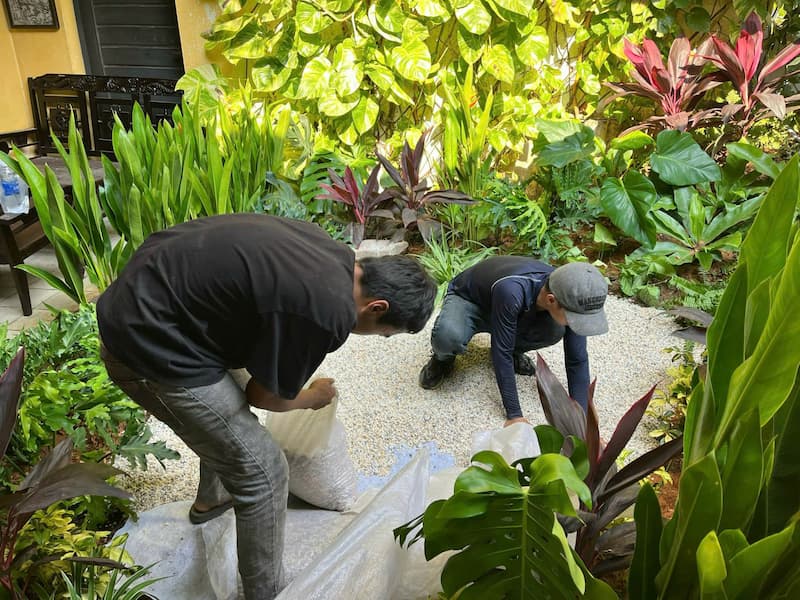
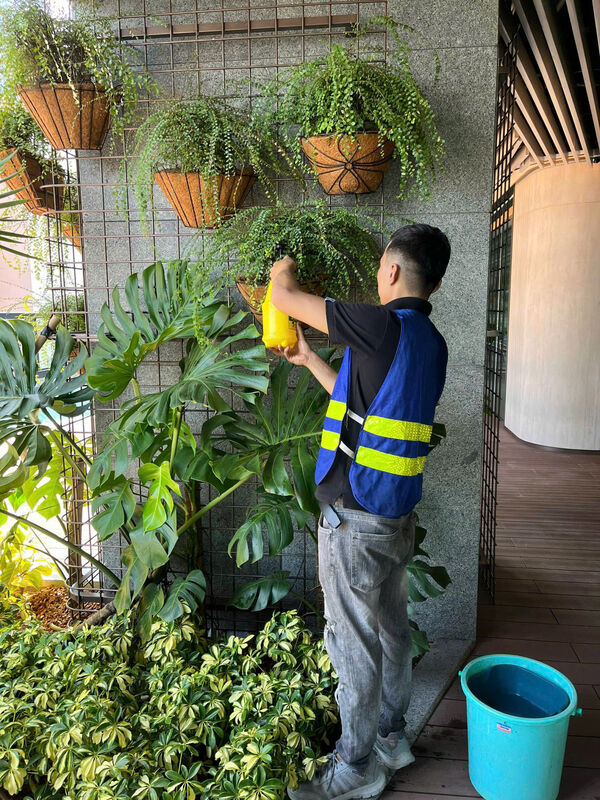
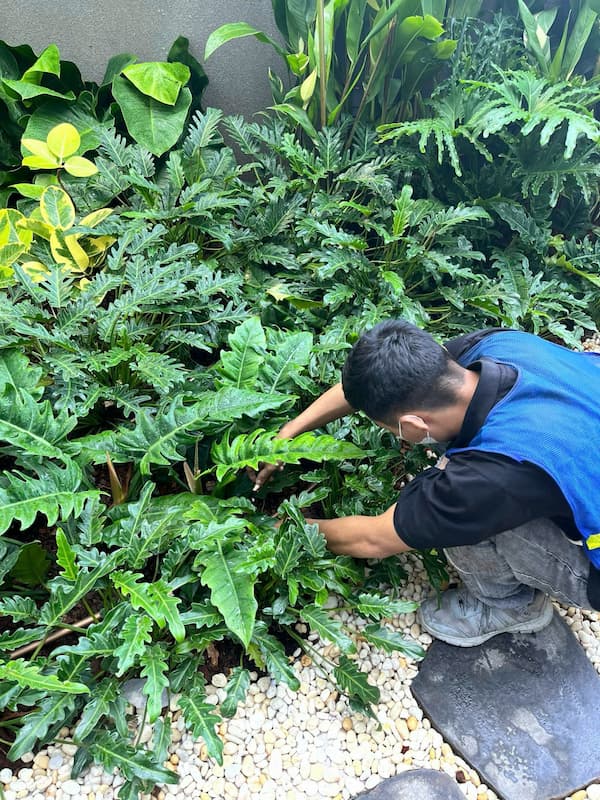
In these cases, seeking professional landscape care and maintenance services is not a luxury, but a smart investment to protect and enhance the value of your living space.