Explore the Healing Garden ecosystem model from an ecological perspective. Learn how to design healing spaces that reduce stress and boost the immune system through Caydecor's philosophy of organic soil cultivation.
When the terrestrial ecosystem “heals” the human soul.
Amidst the hustle and bustle and noise pollution of cities like Ho Chi Minh City, the home is no longer just a place to shelter from the rain and sun, but is becoming an essential energy "recharging station." However, a garden only truly has the power to heal when it is free from harmful chemical residues. At Caydecor, we define... Healing Garden It is a vibrant ecosystem where the connection between humans and nature begins at the very foundation of the earth. This article will help you understand more deeply how a biodiverse space can help reduce stress, restore health, and why this philosophy is important. "cultivating the land" It is again the key to creating one. purely organic landscape It possesses genuine therapeutic value.
What is a therapeutic garden? The difference between ornamental landscaping and healing ecosystems.
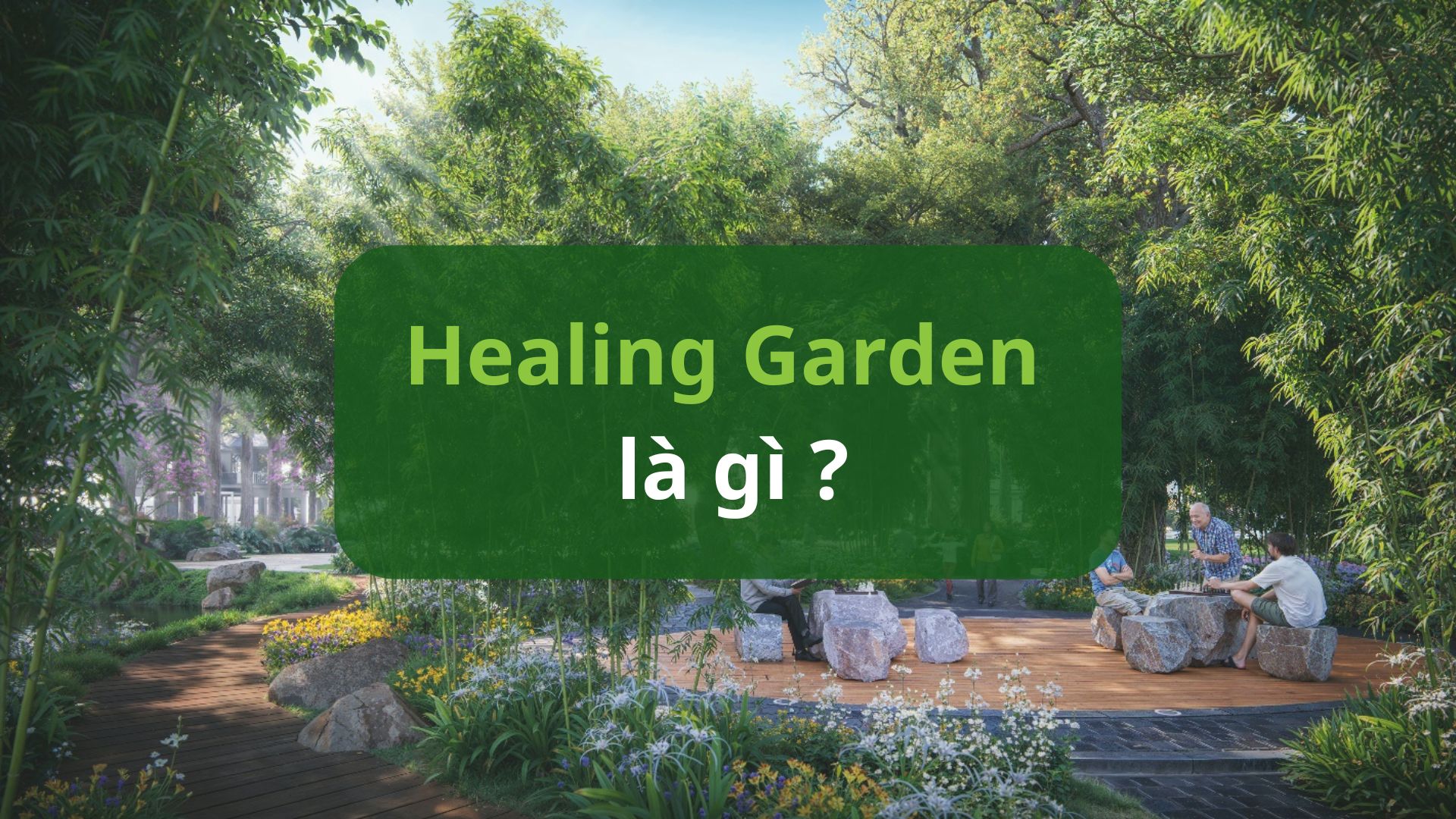
A therapeutic garden is a green space designed to focus on improving the physical and mental health of its users. While conventional landscaped gardens prioritize superficial aesthetics, Caydecor's therapeutic gardens aim for a deeper interaction between human senses and the life cycle of nature.
- Multisensory interaction: More than just a place to admire, the therapeutic garden invites you to touch the soil, breathe in the aroma of herbs, and listen to the birdsong.
- Absolute safety: For the garden to have a healing effect, it must be completely free of chemicals. The overuse of chemical fertilizers or pesticides not only destroys the beneficial microorganisms but also creates a "hidden toxic" environment for the homeowner.
- Ecological balance: A garden with the presence of earthworms and beneficial insects is an indicator of a healthy living space.

The invisible link between soil health and human well-being.
The healing power of a garden comes not just from the green of its leaves, but from the soil that has been cared for according to a specific philosophy. soil cultivationModern scientific studies have shown that clean, organic-rich soil contains a type of beneficial bacteria called... Mycobacterium vaccaeWhen humans interact with living soil—through gardening or simply breathing the garden air after a rain—these bacteria stimulate the brain to produce serotonin, a neurotransmitter that improves mood and reduces anxiety, similar to the effects of natural antidepressants. At Caydecor, when carrying out this process... garden land improvementWe not only replenish nutrients through fertilization but also focus on re-establishing this native microbial ecosystem. When you live in an environment where the soil is truly "alive," the network of Mycorrhizae fungi and beneficial bacteria acts as "biological filters," breaking down toxins and creating a pure, phytoncide-rich atmosphere (natural antibiotic compounds found in plants). Exposure to a purely organic soil ecosystem It helps people lower their heart rate, stabilize blood pressure, and boost their immunity. This is the core value of living in harmony with the ecosystemWe care for the earth, and in return, the very life force of the earth nourishes and heals our souls.
See more: Rain gardens – A natural water management solution
5 Factors that Create a Therapeutic Space in Villa Design
To transform the garden into a healing "oasis," Caydecor focuses on adjusting the ecological components:
- Multilayered vegetation cover: Combine tall shade trees, mid-level shrubs, and ground cover to create a green cocoon that provides sound insulation and reduces urban temperatures.
- Aromatherapy Garden: Plant native plants such as laurel, rosemary, jasmine, or various types of mint. The natural scents are extremely effective in relaxing the nervous system.
- Attracting natural predators and birds: The sound of birdsong and the movement of butterflies help relieve visual fatigue. This is a result of building biodiversity in the landscape instead of spraying pesticides.
- Natural water contact point: The gentle sound of flowing water not only regulates humidity but also provides a relaxing sound that aids meditation.
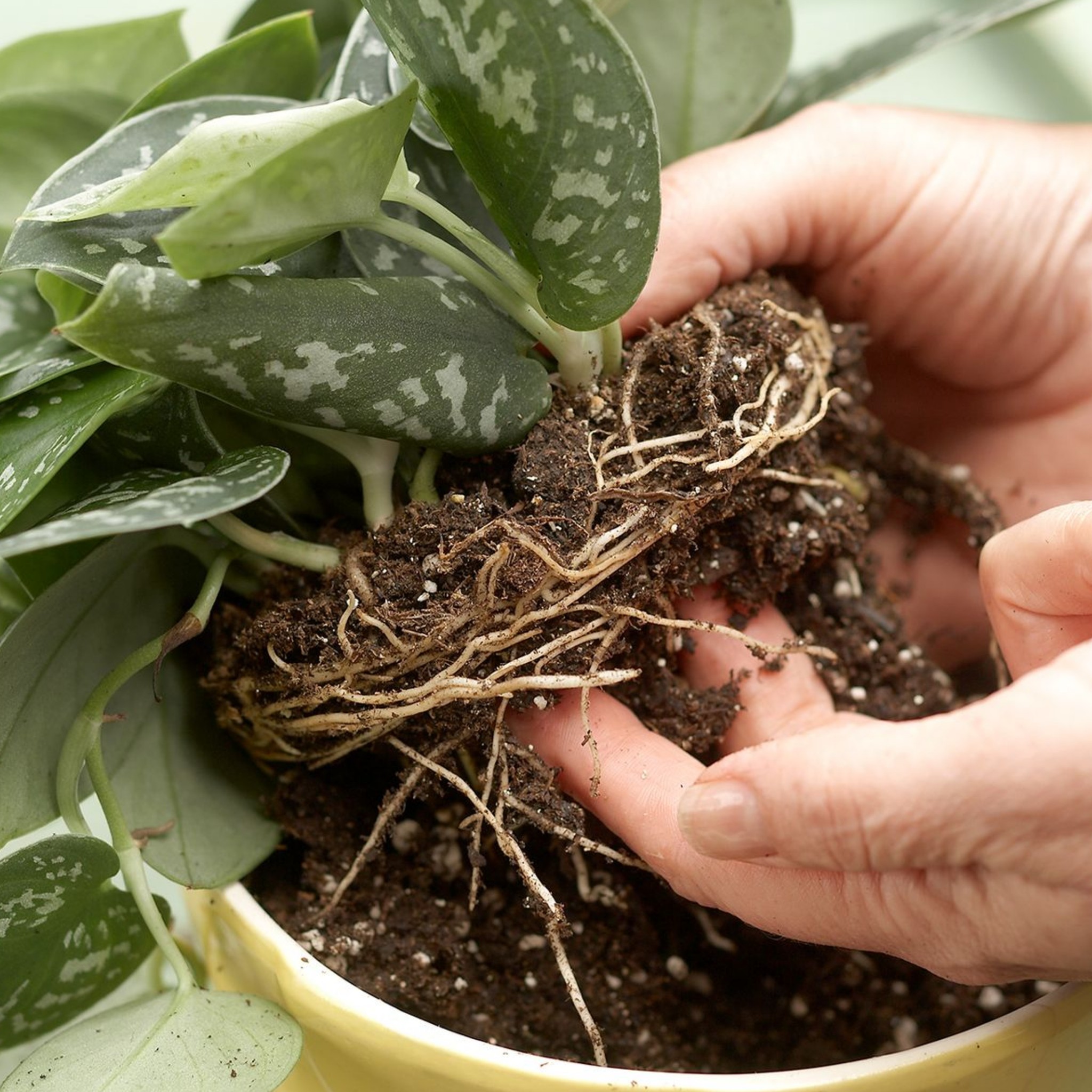
- Organic gardening area (DIY Compost): Create a small corner where the homeowner can practice on their own. How to make compost at homeThis helps people engage in gentle exercise and reconnect with the earth's cycle of regeneration.
See more: Organic garden design for villas and townhouses.
Why do therapeutic gardens need the philosophy of "Living in harmony with the ecosystem"?
A healing garden design will quickly fade if it relies solely on short-term interventions. To sustain long-term healing energy, the garden needs to function as a self-sustaining living entity. Living in harmony with the ecosystem Caydecor encourages homeowners to accept and appreciate all elements of nature, from the earthworms silently tilling the soil to the natural predators protecting the plants. When the ecosystem reaches a state of balance, the garden will automatically control pests and diseases without the need for chemicals. This ensures that your resting space remains as pure as possible. Furthermore, the use of "climate-adapted" Southern plants means the garden requires less harsh maintenance, minimizing lawnmower noise and the odor of chemical fertilizers. This tranquility and stability are crucial for achieving optimal therapeutic effects. Instead of an expensive "show garden," you own a sustainable ecosystem where every branch and blade of grass collaborates to create a peaceful, humane, and vibrant living space.
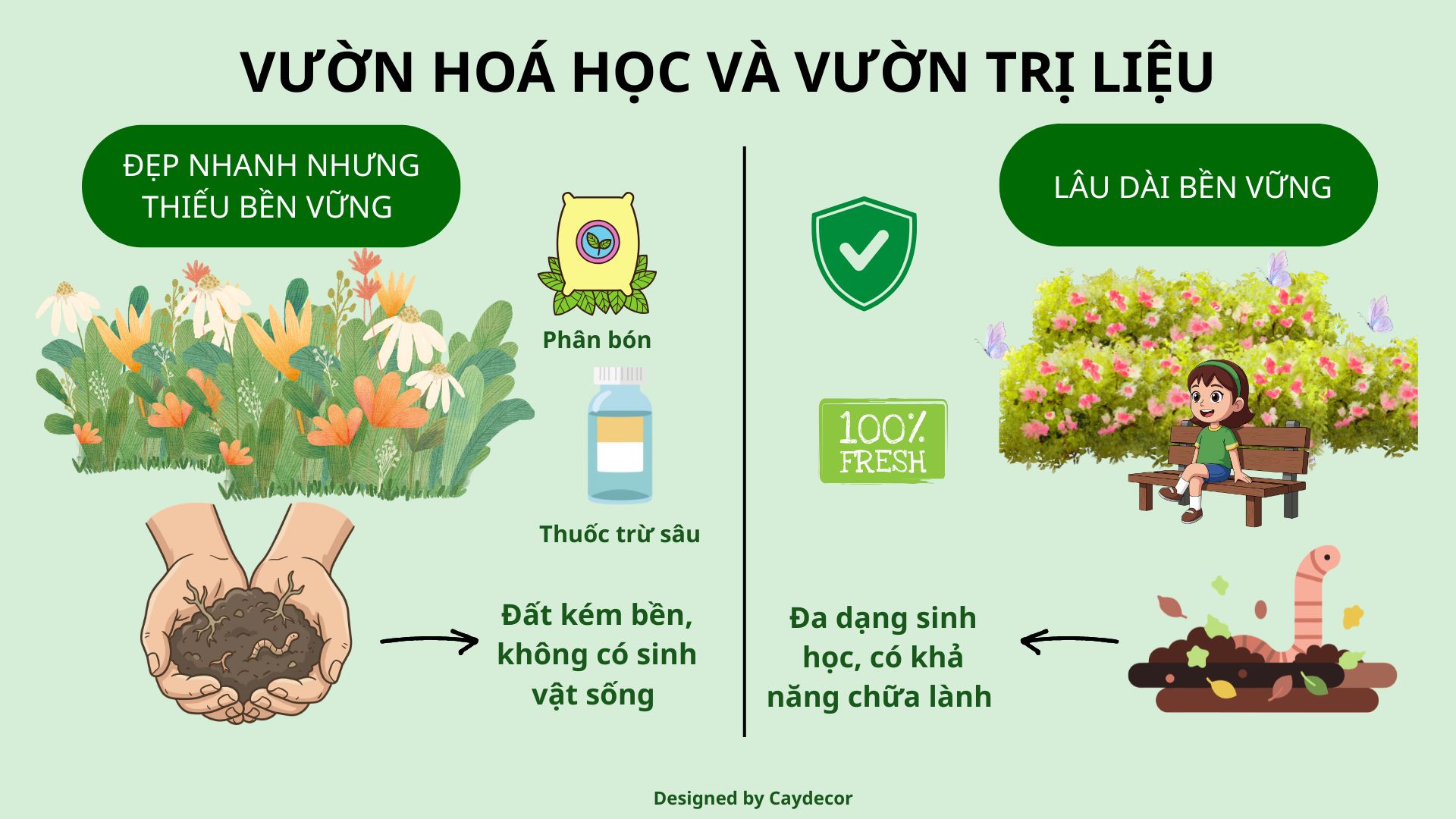
Investing in a therapeutic garden is an investment in the future of health.
The difference between a therapeutic garden and a regular garden.
| Criteria | Normal garden | Therapeutic garden |
|---|---|---|
| Main purpose | Decorating and beautifying the landscape. | Supports relaxation, mental and physical recovery. |
| Design orientation | Focus on aesthetics | Focus on human emotions and experiences. |
| Space | It can be elaborate and display-oriented. | Gentle, safe, and accessible. |
| Plants | Prioritize beautiful, trendy plants. | Prioritize plants with pleasant scents and colors that create a soothing atmosphere. |
| Sound | Not too much emphasis | There's the sound of water, the sound of wind, and noise reduction. |
| Color | Diverse, outstanding | Soft, natural, and relaxing. |
| User experience | Mainly sightseeing and taking photos. | Touch, smell, meditate, take a walk, tend to plants. |
| Psychological impact | Create a visually appealing effect. | Reduce stress, stabilize emotions. |
| Target users | Everybody | Patients, the elderly, children, and those in need of mental rehabilitation. |
| Popular locations | Houses, parks, cafes | Hospitals, spas, nursing homes, wellness resorts |
| Way | Aesthetically pleasing design | Easy-to-move, body-friendly design. |
| The senses are stimulated. | Primarily visual | Sight, hearing, smell, touch |
| Core values | Beautify the space. | Healing and balancing the human being |
| Typical example | Landscaped gardens, villa gardens | Healing garden, sensory garden, therapeutic landscape |
A garden is not just a decorative element of a property; it's part of a proactive wellness system for your family. By prioritizing design in this direction... therapeutic garden and persevere in action soil cultivationBy doing so, you are creating a sustainable green legacy right in the heart of the bustling city.
See more: Tips for choosing landscape plants suitable for the climate of Southern Vietnam.