In a world where we spend so much time on digital devices, reconnecting with real-world experiences is the best way to rebalance our minds. Sensory garden design (Sensory Garden) is the solution for creating a unique interactive space, where every corner of the garden is arranged to awaken the senses of sight, hearing, smell, touch, and taste. It goes beyond simply planting trees; sensory garden design It is an art of arranging ecosystems to provide maximum relaxation for adults and a safe space for exploration for young children. At Caydecor, we believe that a true sensory garden must begin with a philosophy. "cultivating the land" To ensure purity at every touchpoint.
What is sensory garden design? Its role in modern life.
Sensory garden design It is a trend in therapeutic landscape architecture, focusing on the selection and arrangement of natural elements to maximize human interaction with the surrounding environment. Unlike gardens that are merely for viewing, sensory garden design We invite you to step inside, touch the leaves, breathe in the scent of the earth, and savor the sweet, clean, wholesome fruit.
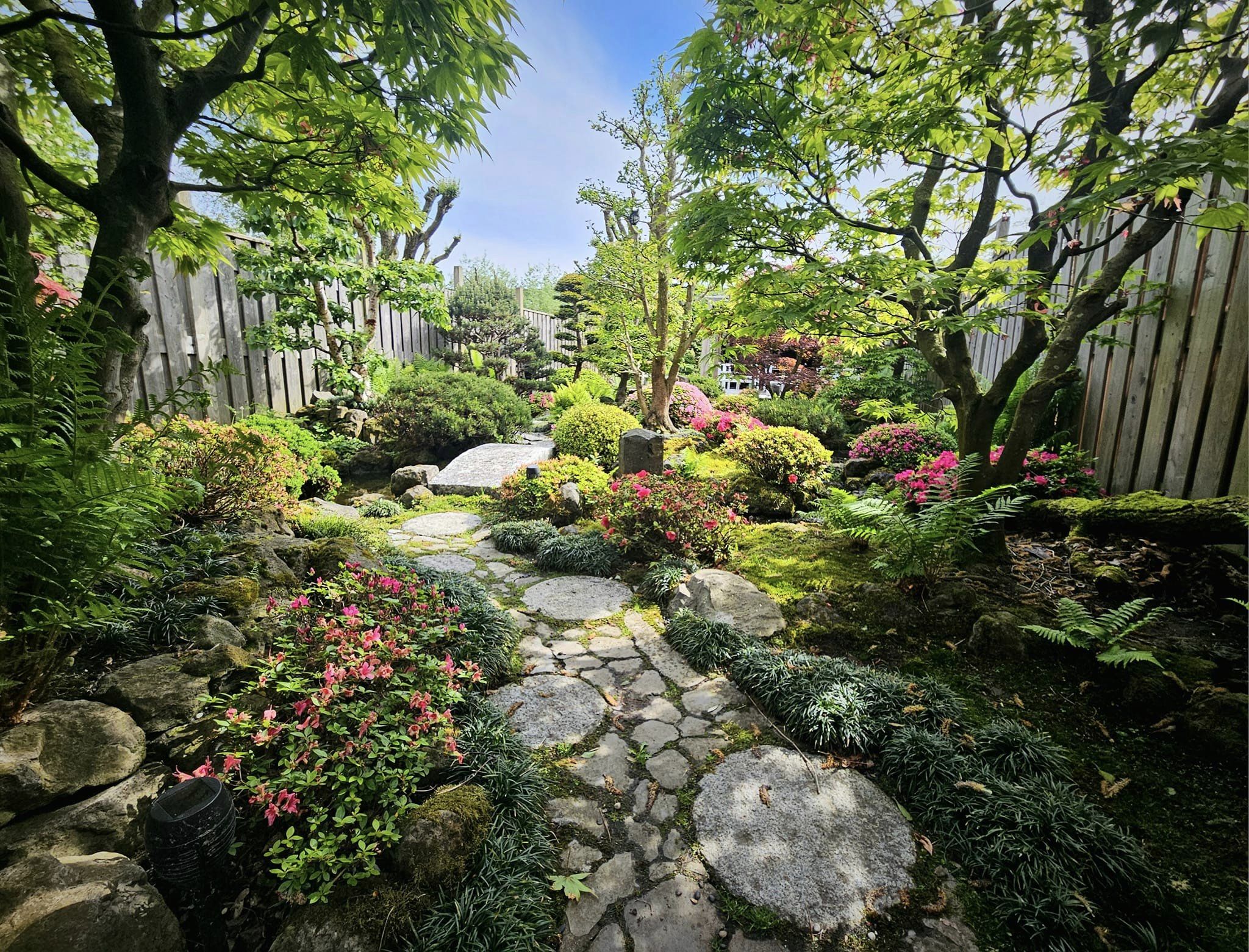
For families with children, sensory garden design It serves as an invaluable "outdoor classroom," helping children develop cognitive skills and creativity. For adults, it's the most effective space for stress relief. Understanding the principles within sensory garden design It helps us transform small garden spaces into an "oasis" rich in experiences and positive energy.
The importance of the "Nourishing the Soil" philosophy in sensory garden design.
The most crucial and fundamental factor when implementing sensory garden design The key is the safety and organic nature of the environment. Because the essence of a sensory garden is direct interaction—where children can crawl on the grass, touch the soil, and put berries in their mouths—any trace of harmful chemicals must be eliminated. In Caydecor's philosophy, this sensory garden design starting from the process soil cultivation Intensive organic farming. We replenish the soil with layers of decomposed organic matter and diverse microorganisms to create a healthy living soil foundation. Well-nourished soil eliminates the need for chemical pesticides or inorganic fertilizers, thus protecting homeowners from potential allergies and hidden toxins.
Furthermore, clean soil is the habitat for these creatures. Soil microorganisms and mental healthThis helps keep the air in the garden rich in serotonin and other beneficial compounds. When you do this... sensory garden design Based on the soil's revitalized mycorrhizal fungal network, plants will release more phytoncides and natural fragrances thanks to their superior self-resistance. The purity of the living soil is the soul of the plant. sensory garden designEnsure that every "touchpoint" you have with nature brings absolute peace of mind and genuine healing energy. If not, then start by... soil cultivationAll the aesthetic design efforts mentioned above are merely a soulless shell, lacking the biosecurity that is the core of a high-class therapeutic garden.
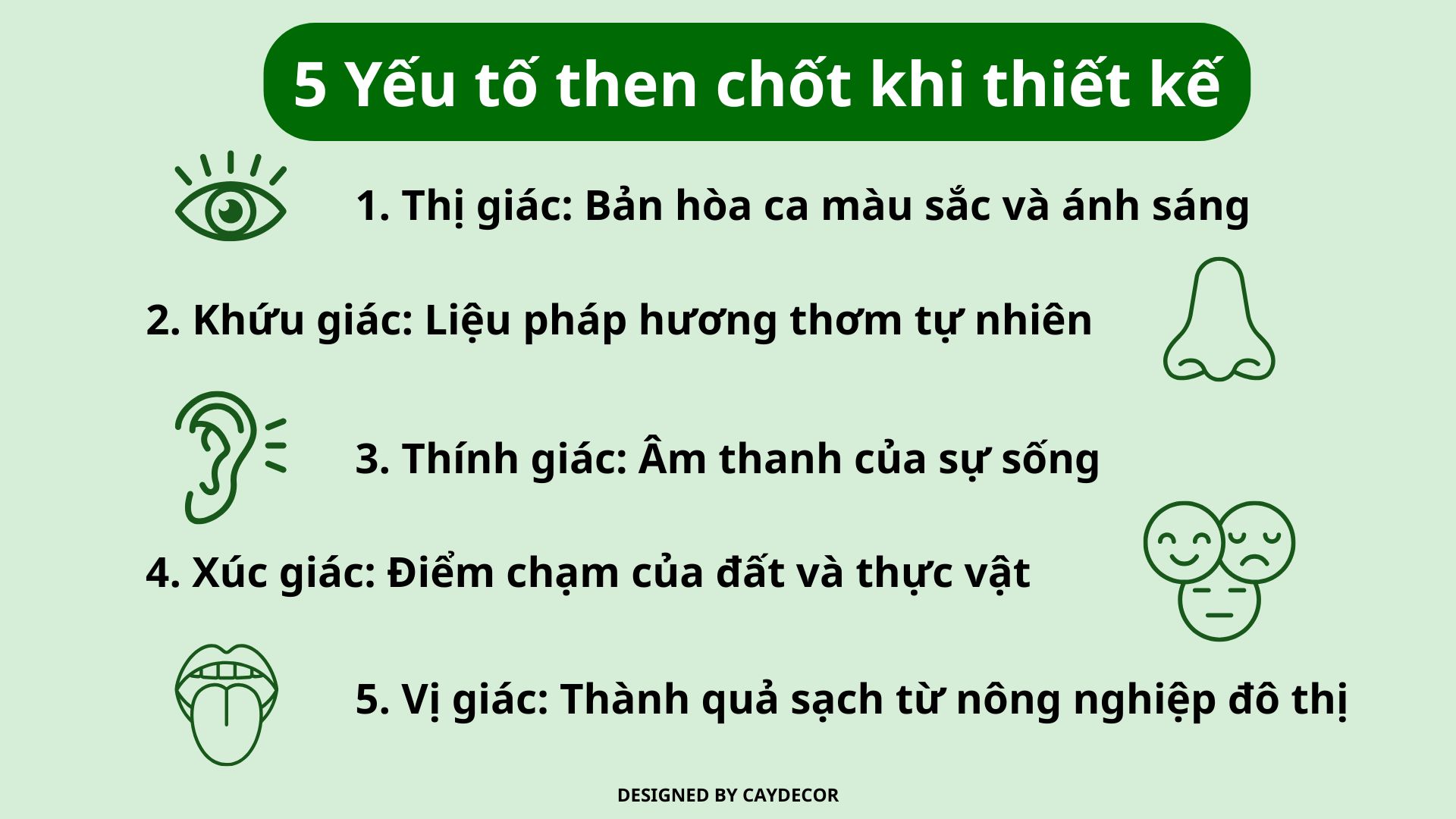
5 Key Factors When Designing a Sensory Garden According to Caydecor Standards
To create a complete symphony of the senses, sensory garden design The following elements need to be carefully coordinated:
1. Visuals: A symphony of colors and light
In sensory garden designWe use the contrast in color between the leaves and flowers to create visual emphasis. The coordination between... light and canopy This helps create dynamic areas of light and shadow, giving the garden more depth and a magical feel.
2. Sense of Smell: Natural Aromatherapy
Scent is the most powerful emotional trigger. When sensory garden designCaydecor prioritizes aromatic plants (article 28) such as jasmine, bay leaf, or rosemary. These scents will spread gently, especially after rainwater has filtered through the air. rain garden system, which helps to soothe the nervous system immediately.
3. Hearing: The sounds of life
Clear sound sensory garden design It comes from the sound of trickling water, the rustling of leaves in the canopy, and especially the sound of birdsong (lesson 16). Attracting biodiversity to take refuge helps keep the garden vibrant with life, dispelling the sterile silence of urban concrete.
4. Touch: The point of contact between soil and plants
Sensory garden design Encourage the use of plants with diverse leaf textures: from velvety smooth to rough. Walking barefoot on them. vegetation cover Touching sustainable materials (lesson 18) such as stone and raw wood helps people reconnect with the energy of the earth.
5. Taste: The clean produce of urban agriculture
An integral part of sensory garden design It is a sustainable urban agricultural area (article 21). The feeling of picking a ripe guava or a fresh herb right from the garden brings maximum satisfaction to the taste buds and confidence in organic food.
Designing sensory gardens for children: A classroom from Mother Earth.
Application sensory garden design This is especially important for the holistic development of children in urban environments. In a purposefully designed garden space, children are free to explore the natural world with all their senses without encountering any chemical barriers. When we implement this... sensory garden design Alongside the arrangement of insect hotels (lesson 14), children have the opportunity to directly observe the diversity of living organisms, thereby developing love and responsibility towards the environment. Experiences such as digging in the soil to find wormsActivities like watering plants or harvesting vegetables help children develop dexterity and patience.
Sensory garden design Creating an absolutely safe environment through philosophy soil cultivation organicThis helps children strengthen their natural immune system through exposure to beneficial soil bacteria. The richness of textures, smells, and sounds in the garden stimulates superior brain development in children, reducing the risk of modern-day disorders such as autism or ADHD. When you choose... sensory garden design With Caydecor, you're not just buying a landscape design; you're investing in a valuable "experience bank" for your children's growth journey. Being truly... living in harmony with the ecosystem From a young age, this will help children become balanced, compassionate individuals with a vibrant childhood amidst the bustling city. This interaction is the best spiritual medicine, transforming the garden into a legacy of love and wisdom for future generations.
A 3-step roadmap for implementing sensory garden design for townhouses.
To do sensory garden design To achieve success, Caydecor follows these steps:
- Functional partitioning: Identify static areas (for smelling, hearing) and dynamic areas (for touching, tasting) to optimize the experience in sensory garden design.
- Reviving living spaces: Implement ecosystem restoration procedures to ensure all plants in sensory garden design They all developed naturally and healthily.
- Multipurpose plant selection: Choose plants that are both beautiful (visually appealing), fragrant (smelly), and safe (tasteful) to maximize their value. sensory garden design.

The meticulous selection of native Southern plant species simplifies garden maintenance (lesson 9), allowing homeowners more time to enjoy their multi-sensory space.
Sensory Garden Design – Where Life Speaks
Select sensory garden design It is choosing a mindful and fulfilling lifestyle. By focusing on: soil cultivation With respect for biodiversity, Caydecor proudly offers solutions. sensory garden design Classy, helping to transform your home into a true healing haven.
Let each day in the garden be a journey of new discovery, where all your senses are embraced and nurtured by nature.
Do you want to create a space that awakens all your senses right in your own home? Contact us for a consultation. sensory garden design In-depth: Caydecor - Purely Organic Landscape