During the hot season, with high temperatures and intense sunlight, neglecting proper garden care can seriously affect plant growth. Without appropriate care, plants can wilt, dehydrate, or even suffer leaf burn. Regular garden maintenance This not only helps plants grow healthily but also minimizes the negative impacts of the weather.

1. Adjust the amount of irrigation water appropriately.
One of the most important factors in ensuring healthy plant growth during the dry season is regulating the amount of irrigation water appropriately.
- Instead of watering too much at once, you should divide the watering into several times throughout the day so that the plants can absorb water efficiently without being overloaded. waterlogging, root rot.
- Avoid watering at midday when the sun is too strong, as the water can evaporate quickly, reducing the effectiveness of the irrigation.
- Watering in the early morning or late afternoon will help the plants absorb water better.
- Avoid watering at night because excess moisture can create favorable conditions for fungal diseases to develop.
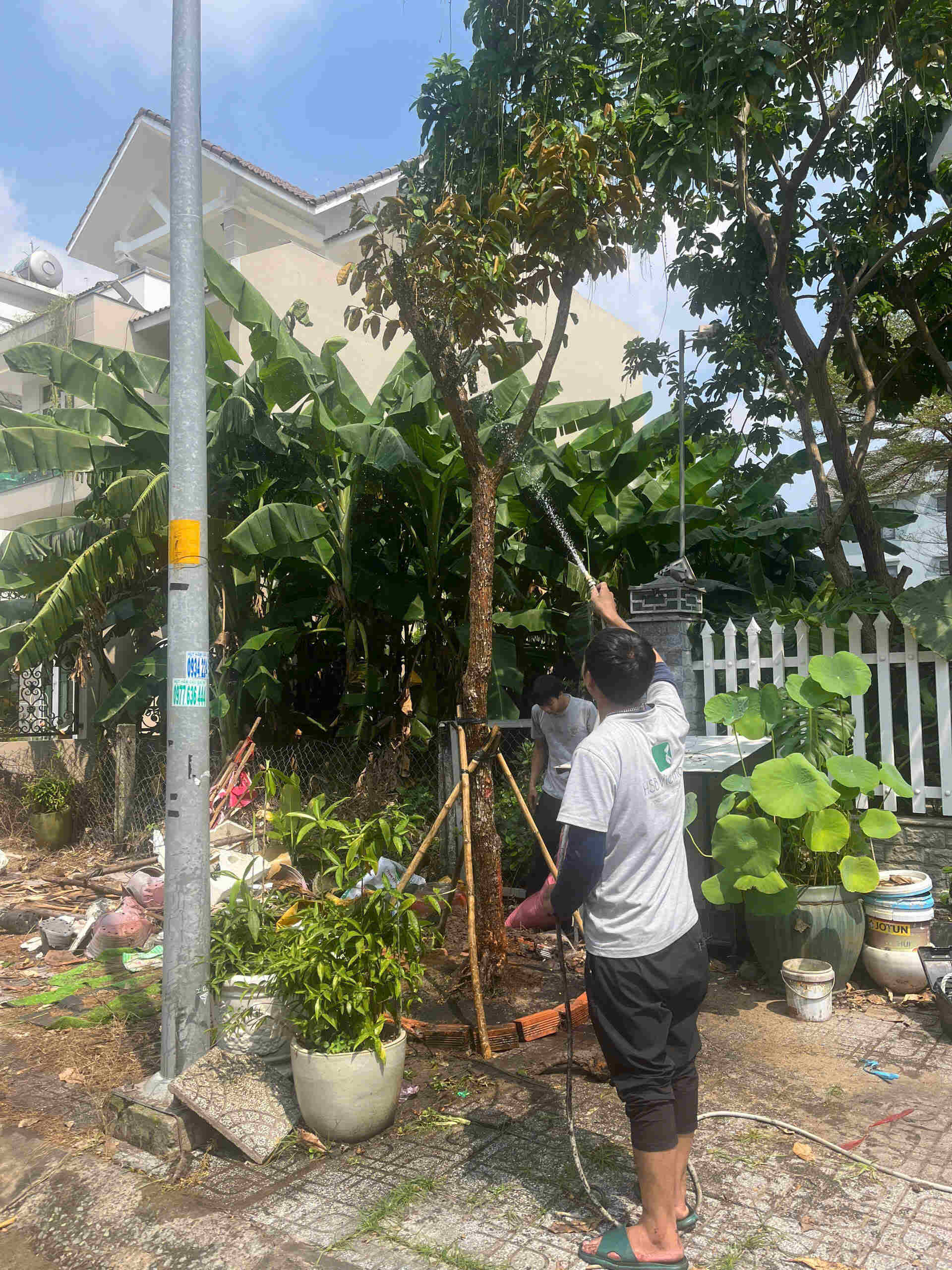
Before watering, check the water temperature in the pipes, especially if the pipes are outdoors. Water heated by sunlight can burn roots, scorch leaves, or weaken plants. Therefore, flush out any hot water from the pipes before watering to ensure the water is at a suitable temperature.
2. Prune branches appropriately.
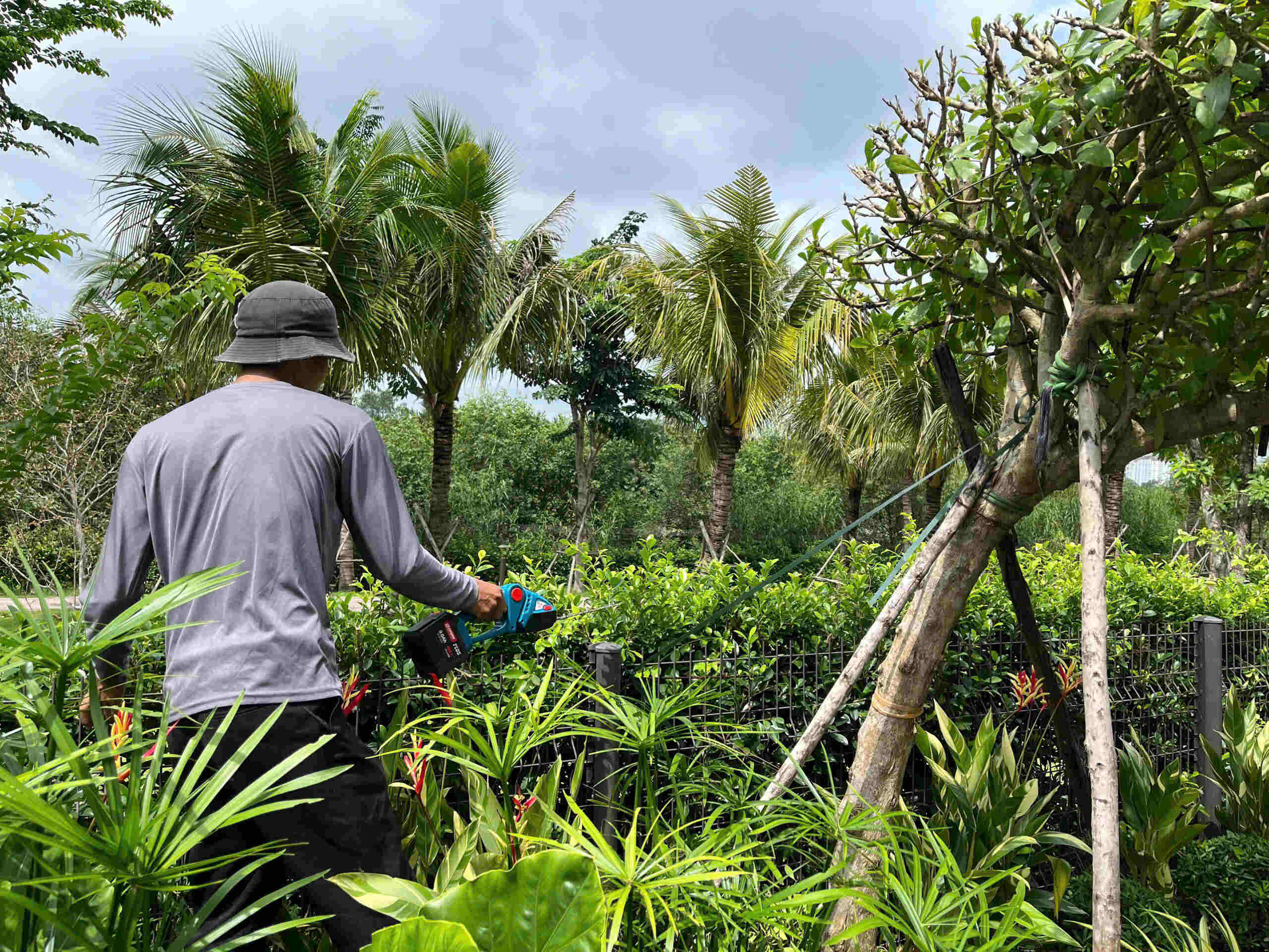
Proper pruning not only helps trees maintain their vitality but also reduces water loss during the dry season. For bushy trees, it's advisable to trim branches and leaves so the tree can concentrate water and nutrients on the more important parts. However, it's important to understand this thoroughly. the appropriate time to prune trees To avoid pruning flowering plants during intense sunlight, as this can cause heat shock and affect their growth.
3. Avoid applying chemical fertilizers during the dry season.

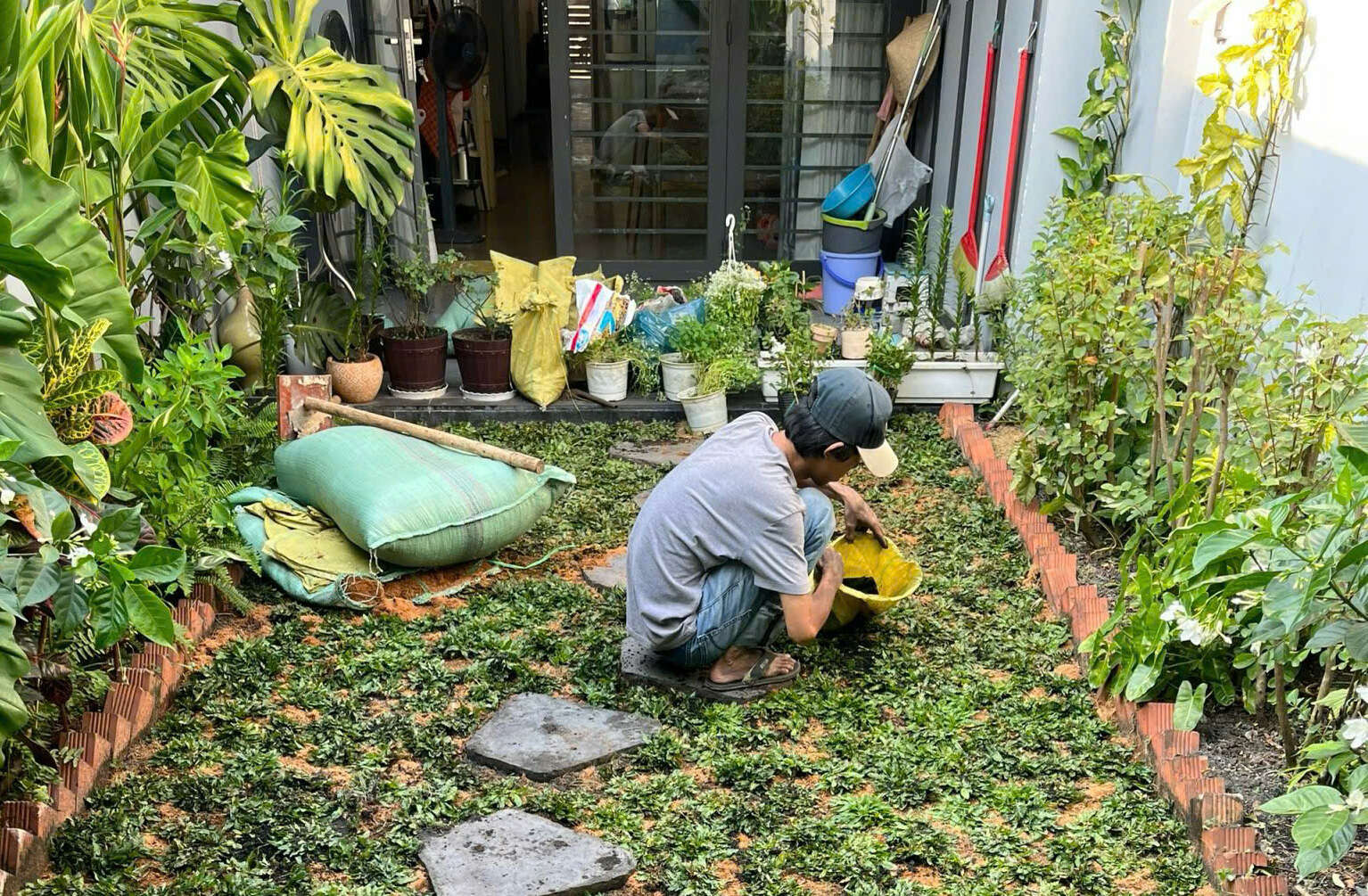
Applying chemical fertilizers (Chemical Fertilizer) In hot weather, plants can experience shock, root burn, or wilting. To minimize negative impacts, prioritize the use of organic fertilizers or slow-release fertilizers so that plants absorb nutrients gradually. If fertilization is necessary, water immediately afterward to dissipate the heat generated, helping the plant absorb nutrients better and avoiding root damage.
4. Protect plants from leaf burn.

Some plants have leaves that are susceptible to burn when the weather changes suddenly. If you notice this, move the plant to a shady location or cover it with netting to reduce the intensity of direct sunlight. At the same time, you should remove the burnt leaves so the plant can focus on developing healthier new leaves.
5. Tilling the soil helps retain moisture.
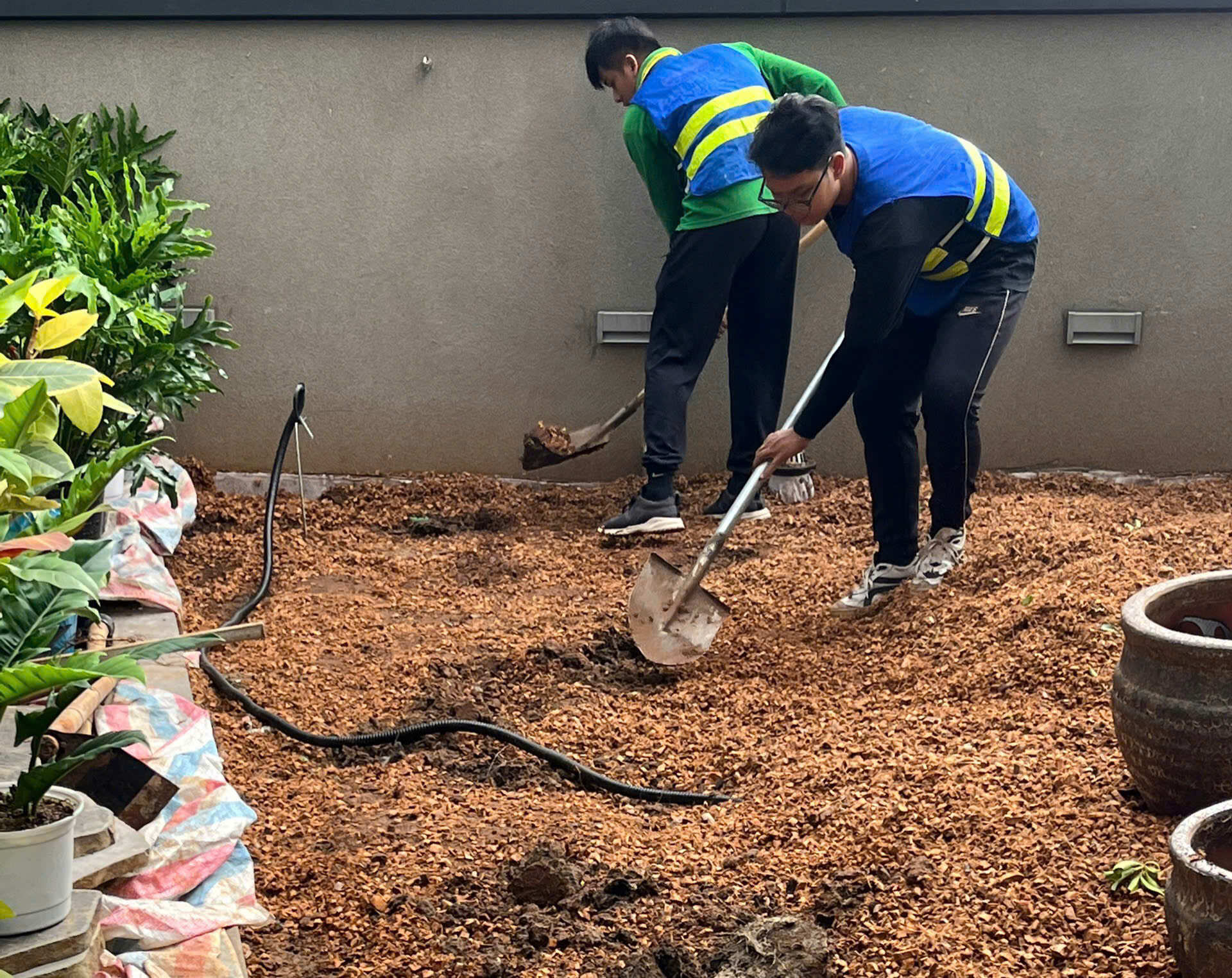
Tilling the soil is one of the effective ways to maintain moisture for plants during the dry season. When the soil is loosened, water easily penetrates deep into the roots instead of evaporating too quickly. Additionally, you can cover the soil surface with a layer of mulch or straw to retain moisture longer and limit the impact of high temperatures on the root system.
Caring for your garden during the dry season isn't just about watering; it requires attention to many factors such as pruning, protecting plants from high temperatures, and providing proper nutrition. By applying these tips, you can help your garden stay lush and healthy even in harsh weather conditions. Implement these methods to maintain a vibrant, green garden throughout the dry season!