Having a lush green garden not only improves your living space but also creates a sense of relaxation and closeness to nature. However, maintaining and caring for plants can be costly without a proper plan. Below are some ways to save money while still keeping your garden vibrant and sustainable.

1. Choose a suitable garden style and plant species.

One of the key factors in saving on maintenance costs is choosing the right garden style and indoor plants Suitable for natural conditions. Please consider:
- Choose native plants: These plants adapt well to the climate and soil conditions, are resistant to pests and diseases, and require little special care.
- Natural garden style: Tropical gardens, dry gardens, or Japanese gardens typically require less maintenance than more elaborate flower gardens.
- The tree sheds few leaves and is resistant to pests and diseases. It helps reduce the amount of cleanup work and the cost of spraying pesticides.
2. Choose a Suitable Growing Medium/Substrate

Many homeowners often leave the choice of potting mix to the contractor, leading to suboptimal potting, stunted plants, and costly remediation later on. To save money, you should:
- Choose the right growing medium: If the garden has poor drainage, mix in some sand or light gravel. Conversely, if the soil is too porous, add loam or humus. Some foliage plants require this. suitable substrate.
- Regularly supplement with organic products: Using composted earthworm castings, chicken manure, or cow manure helps plants grow healthily, reduces pests and diseases, and saves on the cost of chemical fertilizers.
3. Installing an Automatic Irrigation System
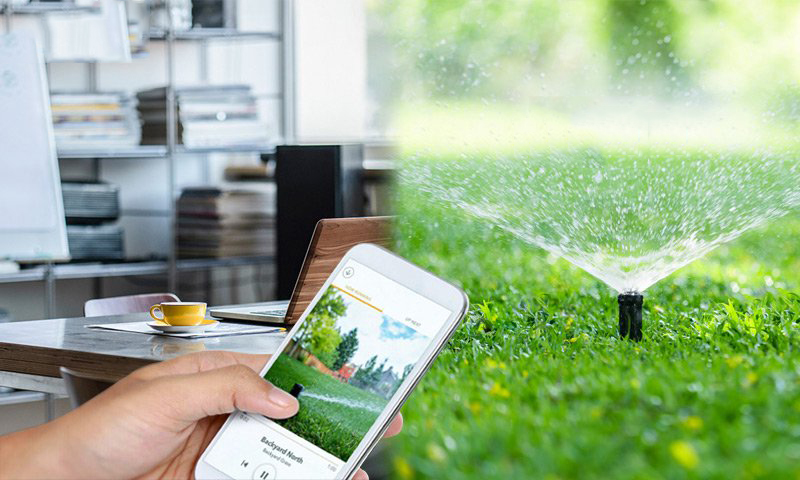
Many people worry about the initial investment cost of an automatic irrigation system, but in reality, it's a cost-effective solution in the long run:
- Save water: Drip irrigation systems deliver water directly to plant roots, preventing waste.
- Save time: No need to water manually every day.
- Reduced caregiving time: Ensure the plant stays adequately moist without needing constant monitoring.
4. Regular Pruning and Cleaning
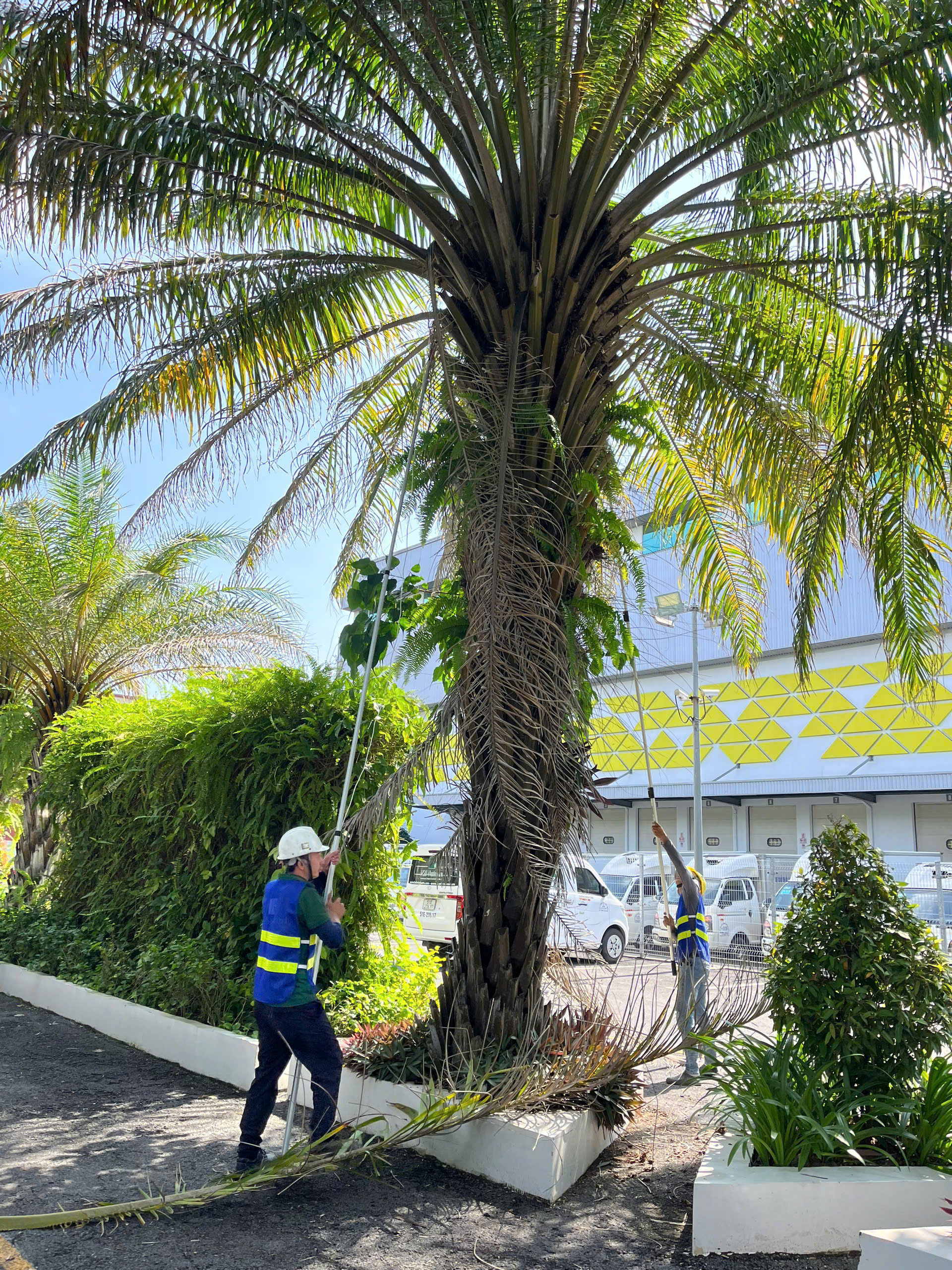
A garden is Regular garden trimming and maintenance It not only enhances the aesthetics but also helps the plants grow better.
- Regular pruning: Removing old and weak branches helps the tree concentrate nutrients on the healthy parts.
- Remove fallen leaves: Avoid the accumulation of leaves, which can lead to mold, mildew, and pests.
- Inspect and remove weeds: It helps reduce nutrient competition with the main crop.
5. Utilize Regular Care Services
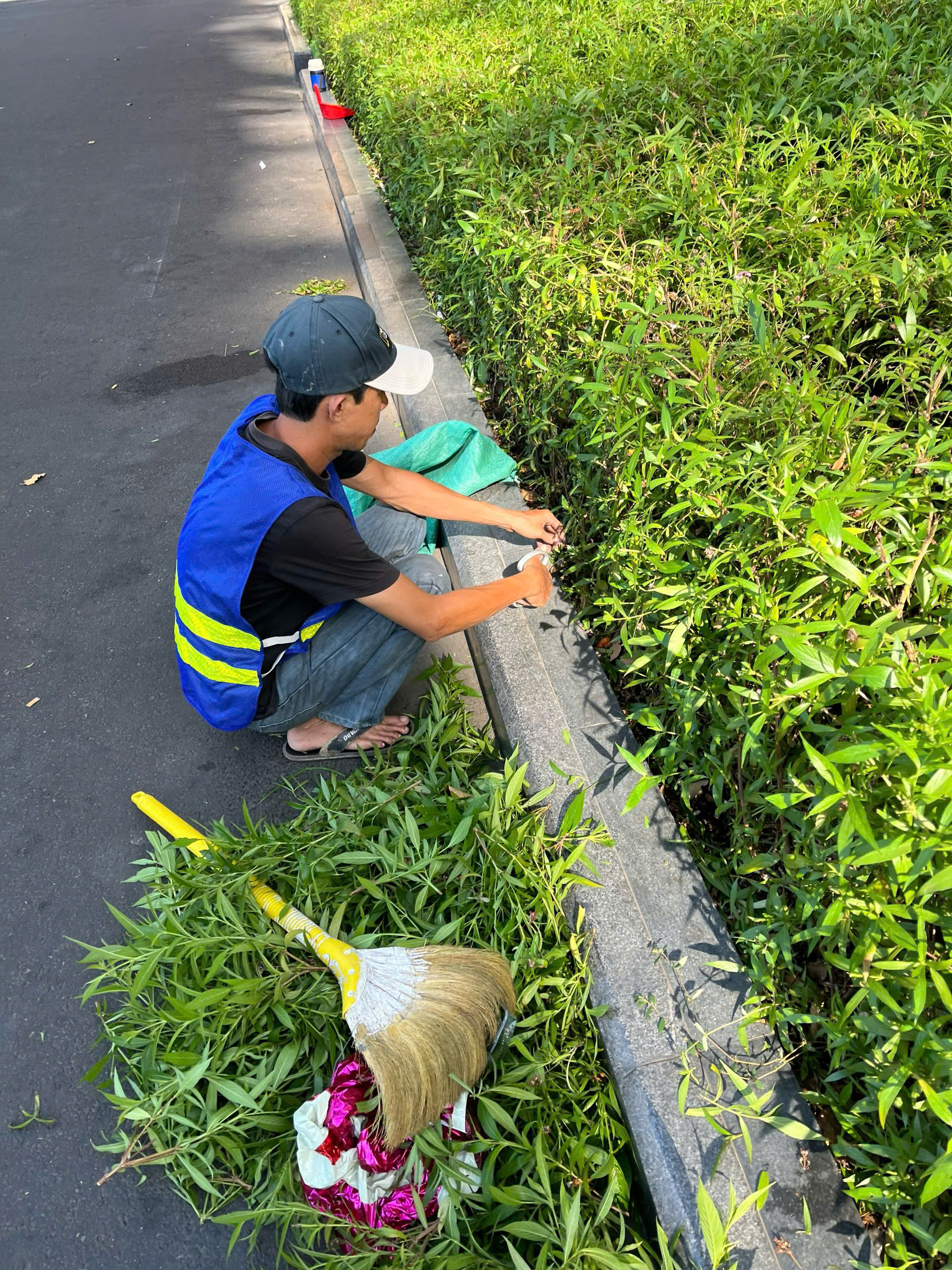
Instead of spending a lot of time and effort on self-care, you can combine garden maintenance services 1-2 times/month. Professional services will assist:
- General cleaning: Clean the garden and check the irrigation system.
- Pest and disease control: Apply biological control measures or use safe pesticides.
- Supplementing nutrients for plants: Advice on using appropriate fertilizers.
6. Reusing and Utilizing Resources

Here are some tips to help reduce garden maintenance costs:
- Composting organic waste: Vegetable peels and fallen leaves can be used to make natural fertilizer.
- Reuse water: Rice water and vegetable washing water can be used to water plants.
- Self-propagation of plants: Limit the purchase of new plants by avoiding those propagated by cuttings or grafting.
Maintaining a beautiful, green garden doesn't have to be expensive if you have a good plan. From choosing the right plants and using the right growing medium to installing an irrigation system, pruning, and using regular maintenance services, you can significantly save on costs while ensuring your garden remains lush and vibrant. Smart care will help you create a sustainable and cost-effective green space in the long run.