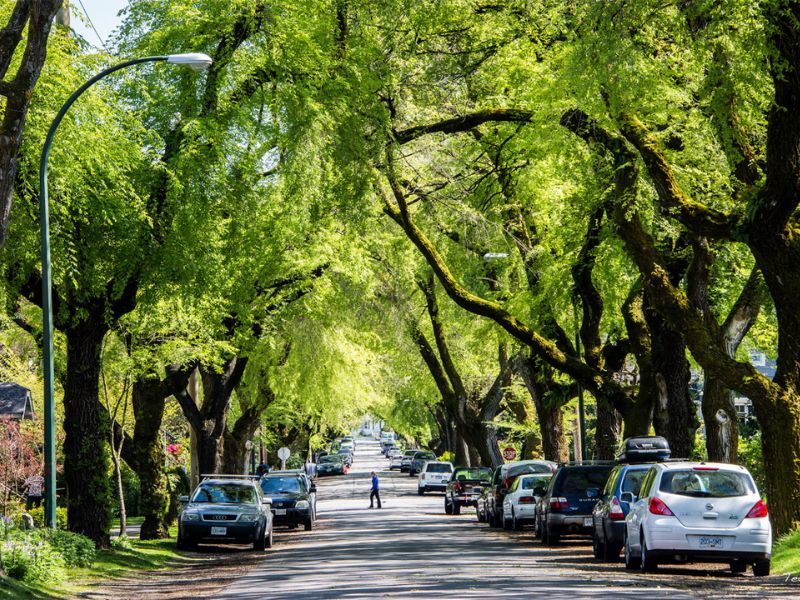
Urban trees Greenery plays a crucial role in creating a healthy, environmentally friendly living space for modern urban areas. Beyond providing aesthetic beauty, trees also help regulate the air, reduce pollution, and offer a sense of relaxation for residents.
However, to better understand the concept of urban greenery and the types of trees commonly chosen for urban spaces, this article is for you. HSB Vietnam This will provide a comprehensive overview of common urban tree species and the benefits they offer.
What are Urban Greenery?
Urban greenery refers to trees planted and managed within urban environments, including trees along streets, in parks, residential areas, and public spaces. The primary goals of urban greenery are to improve air quality, provide shade, reduce noise pollution, and offer a green and pleasant urban landscape. Urban trees also play a crucial role in reducing temperature, regulating climate, and enhancing biodiversity, creating a more sustainable and environmentally friendly living environment for people.
Benefits of Urban Greenery
- Improve air quality: Trees help absorb CO2, filter dust and harmful gases, and provide oxygen, thereby cleaning the air and reducing pollution.
- Lower the temperature: Trees cool the surrounding space through the process of water evaporation and provide shade, helping to lower the temperature, especially in densely populated urban areas.
- Noise reduction: Trees help reduce noise from traffic and urban activities, creating a quieter environment.
- Boosting mental health: The presence of greenery brings a sense of relaxation, reduces stress, and improves mood.
- Creating an aesthetically pleasing landscape: Greenery creates a beautiful, attractive living space that is close to nature.
- Supporting biodiversity: Trees provide habitats for many species of birds, insects, and other creatures in the city.
Common Types of Urban Trees
Black star tree
The black star tree (Hopea odorata) is a large tree belonging to the Dipterocarpaceae family, commonly planted in urban areas and streets due to its wide, dense canopy that provides shade and helps to cool the surrounding space. The tree reaches a height of 20-30m, with a straight and sturdy trunk, making it well-suited to urban environments. One of the outstanding benefits of the black star tree is its ability to filter dust and absorb CO2, helping to improve air quality.
At the same time, the tree also has the ability to prevent soil erosion and hold the soil more firmly in areas with high building density. With its majestic and sturdy appearance, the black star tree not only provides aesthetic value but also plays an important role in protecting the sustainable living environment of urban areas.
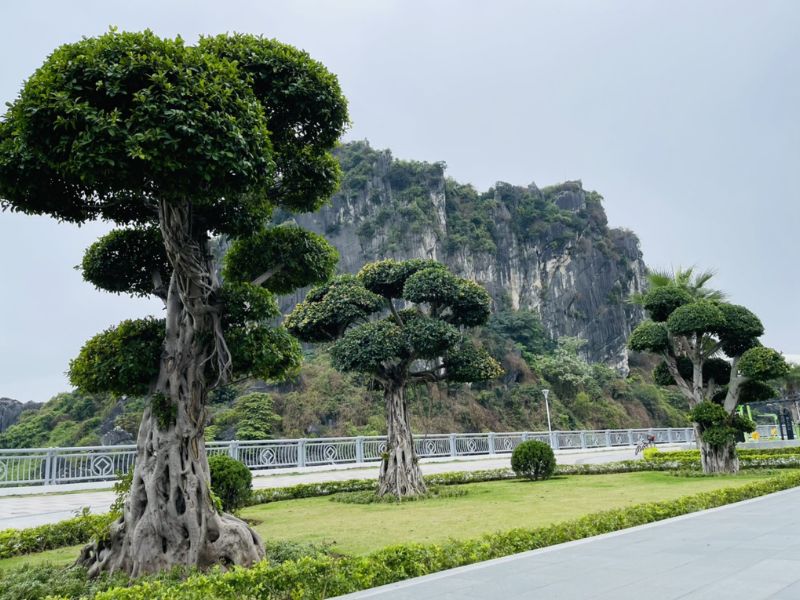
Black star tree
Mahogany tree
The mahogany tree (Khaya senegalensis) is a large tree species belonging to the Meliaceae family, commonly planted in urban areas, parks, and along roadsides. Mahogany trees average 30-40 meters in height, with a wide, dense, and bushy canopy providing ample shade and helping to moderate ambient temperatures.
Thanks to its deep and strong root system, the mahogany tree also has the ability to prevent soil erosion, which is especially important in areas with heavy rainfall or unstable soil. In addition, mahogany trees can absorb dust and filter the air, contributing to improved living quality. Beyond its environmental value, the mahogany tree is also highly valued for its wood, as it is durable and strong, often used in furniture manufacturing and construction.
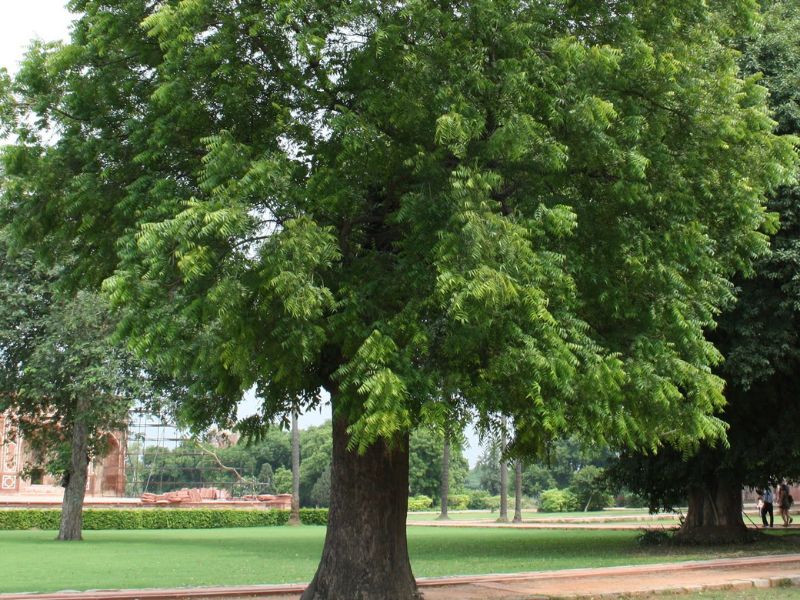
Mahogany tree
crape myrtle tree
Lagerstroemia speciosa, also known as the crape myrtle, is a medium-sized tree, typically 10-20 meters tall, distinguished by its vibrant purple or pink flowers that bloom in summer. It is a popular tree in urban areas, streets, and parks, thanks to its ability to create beautiful landscapes and its lush green foliage. Lagerstroemia not only provides aesthetic value with its striking flowers but also helps to cool the air and provide shade for passersby.
With its straight trunk, dense foliage, and strong roots, the crape myrtle tree also helps reduce dust, filter the air, and improve the quality of the urban environment. The crape myrtle flower symbolizes romance and nostalgia and is often cherished in Vietnamese culture.
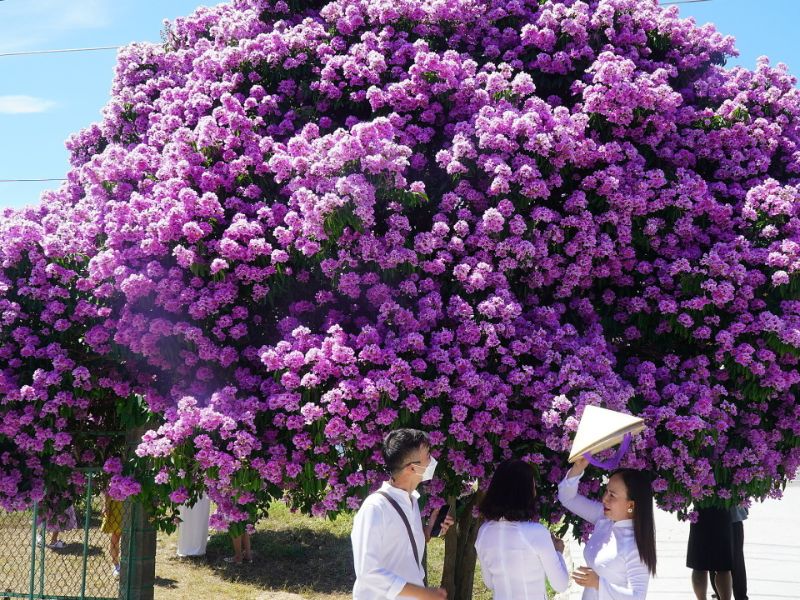
crape myrtle tree
Flame tree
The flamboyant tree (Delonix regia) is a medium-sized tree, typically 10-15 meters tall, distinguished by its vibrant red flowers, which usually bloom in the summer. This tree is very familiar in Vietnam, especially in schools, parks, and urban areas, creating an impressive landscape with its wide, lush green canopy. The flamboyant tree has a sparse canopy, providing shade without obstructing sunlight, and also helps reduce the surrounding temperature.
Beyond its decorative and landscape-beautifying role, the flamboyant tree is also associated with childhood memories; its flowering season often signals the arrival of summer and upcoming exams. With its enduring vitality and vibrant beauty, the flamboyant tree is not only a symbol of summer but also contributes to improving living spaces in urban areas.
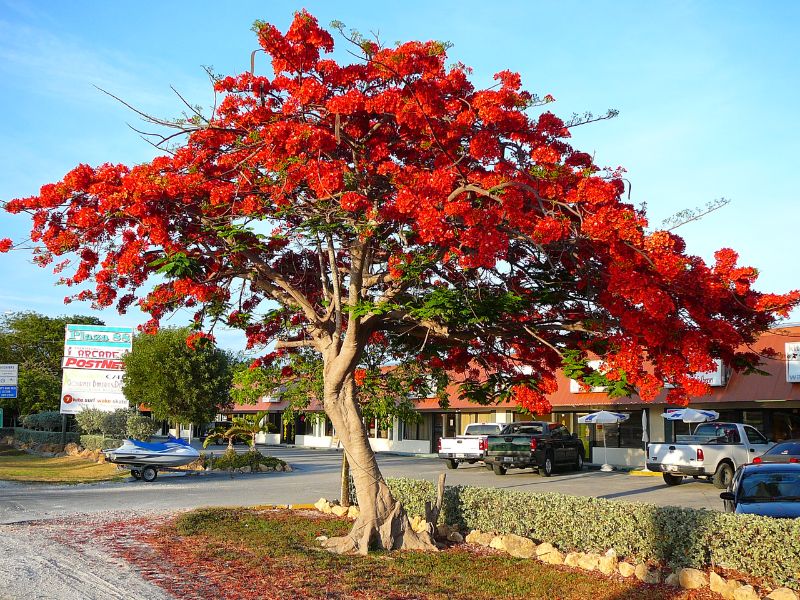
Flame tree
Golden shower tree
The golden shower tree (Cassia fistula), also known as the golden scorpion tree, is a small woody tree, typically 10-20 meters tall, distinguished by its vibrant yellow flower clusters hanging down, creating an attractive appearance. Golden shower trees bloom profusely in the summer, brightening and enlivening the surrounding area. This is a popular tree in urban areas, parks, and along roadsides due to its aesthetic appeal and ability to thrive in harsh environments.
Beyond its ornamental value, the golden shower tree also improves the environment by absorbing dust, filtering the air, and providing shade. It generally requires minimal care, making it ideal for urban areas. With its vibrant appearance and symbolism of good fortune and prosperity, the golden shower tree brings not only beauty but also spiritual value to living spaces.
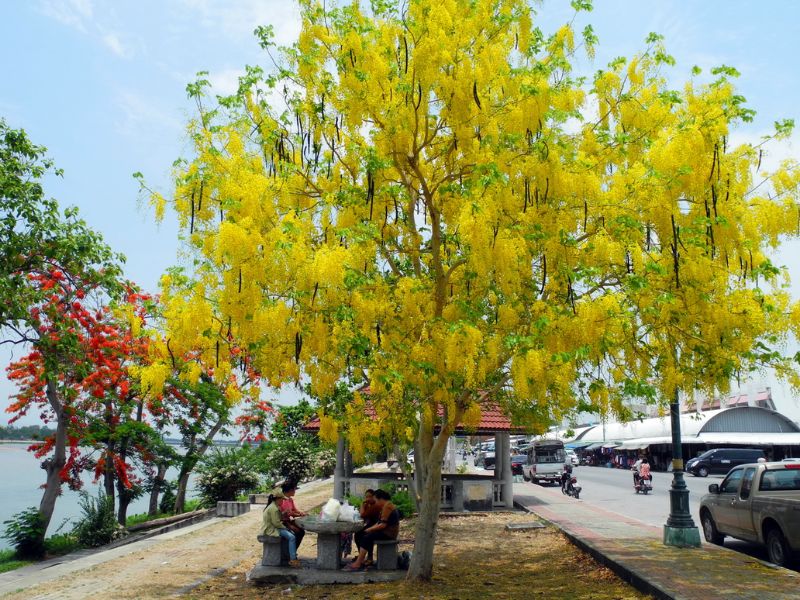
Golden shower tree
Sấu tree
The Nauclea orientalis tree is a large tree, typically 20-30 meters tall, commonly planted in many urban areas, especially in northern Vietnam. The tree has a wide, lush green canopy, providing dense shade and helping to cool the air during hot summer days. Its small, white flowers bloom in clusters, usually appearing in the summer, adding to the tree's elegant beauty.
Beyond its aesthetic value, the sấu tree (Garcinia cambogia) offers numerous environmental benefits. It can filter dust, absorb harmful gases, and improve air quality, contributing to a healthier living environment for urban residents. Its deep and strong root system helps retain soil and prevent erosion. The sấu tree is also renowned for its fruit, a popular ingredient in cuisine, used in many delicious and refreshing dishes, from sấu juice to other tempting treats.
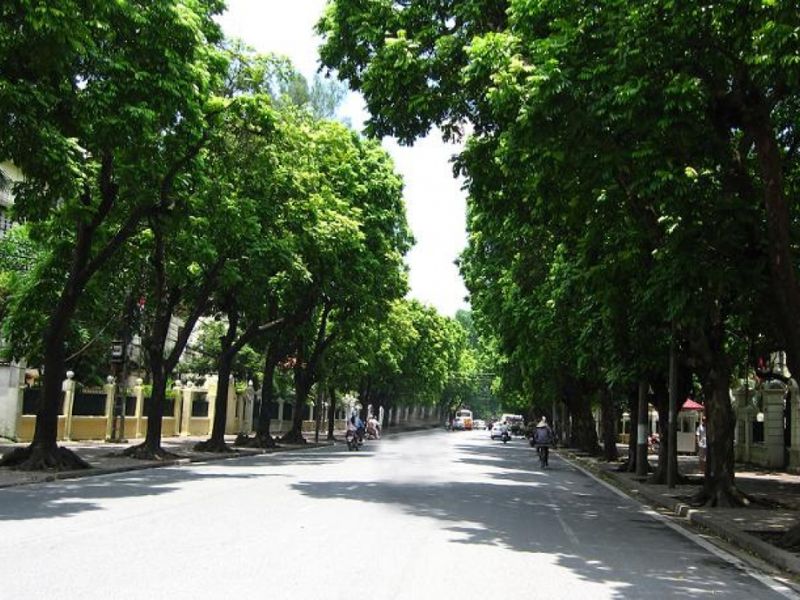
Sấu tree
Urban greenery is not merely decorative but an essential component in building a sustainable and high-quality living environment for residents. Trees such as the black star tree, mahogany, crape myrtle, flamboyant tree, cassia fistula, and the sấu tree all offer significant benefits, from improving air quality to providing shade and beautifying the landscape. Therefore, the selection and maintenance of urban trees need to be given more attention to protect public health and enhance the quality of life in modern cities.