


The rainy season in Vietnam is often prolonged with heavy, continuous thunderstorms and sudden downpours, putting significant pressure on maintaining gardens and urban landscapes. Standing water on surfaces not only damages paving, walls, and concrete structures but also causes root rot, weakens plants, and creates conditions for fungal diseases to develop.
This article analyzes the causes and signs of flooding and provides guidance on solutions ranging from simple to advanced, while also introducing modern methods such as plastic drainage grids, which help protect greenery, maintain aesthetics, and enhance the durability of all types of gardens – from townhouses, balconies, and rooftops to cafes and urban landscapes.
1. Causes of garden flooding

Waterlogging in gardens is not a random problem but usually stems from a combination of factors:
Water-retaining soil, heavy soil (clay soil): This type of soil has a fine-grained structure and low porosity, causing water to seep in slowly. When heavy rains last for an extended period, the ground quickly becomes saturated with water, depriving plant roots of oxygen and making them susceptible to waterlogging.
The slope of the course is not ideal: Many gardens are leveled or inadvertently create depressions where water can pool for extended periods. Without a clear drainage system, the water can only evaporate or seep very slowly into the underlying soil layers.
Clogged drainage system: Leaves, soil, and mud accumulating in drainage ditches, catch basins, or underground pipes will slow down or completely block the water flow. This is one of the most common causes.
Increase the impermeable surface area: Many courtyards are completely paved with tiles or concrete. When it rains, the water cannot seep in but instead flows to one point, causing stagnation or overflow.
The landscape design lacked proper drainage planning. Some gardens place planters or landscaping features at the lowest point, without proper drainage channels or a well-designed drainage system. This causes water to be retained for longer than necessary.
Warning signs of garden flooding:
- The water still hadn't receded 30–60 minutes after the rain started.
- The grass is yellowed, waterlogged, and soft, or has scattered patches of dead plants.
- The soil was compacted, the surface was muddy, and it had an anaerobic odor.
- Fungal diseases appear: white mold, root rot, stem blackening.
- The patio or tiled floor shows cracks and slight subsidence.
These signs indicate that the garden's drainage system is not working effectively and needs to be addressed soon.
2. Effective solutions for preventing garden flooding.
Depending on the specific circumstances, a single solution or a combination of solutions can be chosen. The more precise the method, the longer-lasting the flood control effect.
2.1. Simple, easy-to-implement, and low-cost measures
Clean out ditches, drains, and sewer lines: Regular maintenance helps ensure unobstructed water flow. After heavy rains or every 1–2 weeks, check and remove leaves, soil, and debris.
Adjust the slope of the pitch: For small patios, simply reshaping the surface or adding materials to allow water to naturally flow to the collection point is sufficient. Although simple, this is one of the most important steps.
Raise the plant pot or planting area: Raising the planter prevents the roots from being directly in waterlogged areas. This is an effective solution for balcony gardens, rooftop gardens, or small home gardens.
2.2. Professional Drainage System Design
Open drainage ditch: An open ditch carries water from the yard to a drain or catchment area. This solution is effective but can easily affect the aesthetics if not covered with a lid or landscaping material.
Subsurface drainage system: Installing PVC or HDPE drainage pipes underground creates a separate pathway for water flow. This is a common method in villa landscaping, urban projects, or parks.

Collection pits, seepage wells, and underground tanks: This is the optimal solution for gardens with heavy soil. Water is channeled down into the well to gradually seep in, reducing surface pressure. The seepage well can also be used to collect rainwater for reuse in irrigation, making it environmentally friendly.
It's important to note that this system requires proper installation. If done incorrectly, water can backflow, causing blockages or damaging the subfloor.
2.3. Ecological, sustainable, and aesthetically pleasing solutions
Rain gardenRain Garden): These low-lying areas are designed to collect rainwater and allow it to gradually seep into the ground. Planting moisture-tolerant plants helps to purify the water, reduce waterlogging, and increase biodiversity.
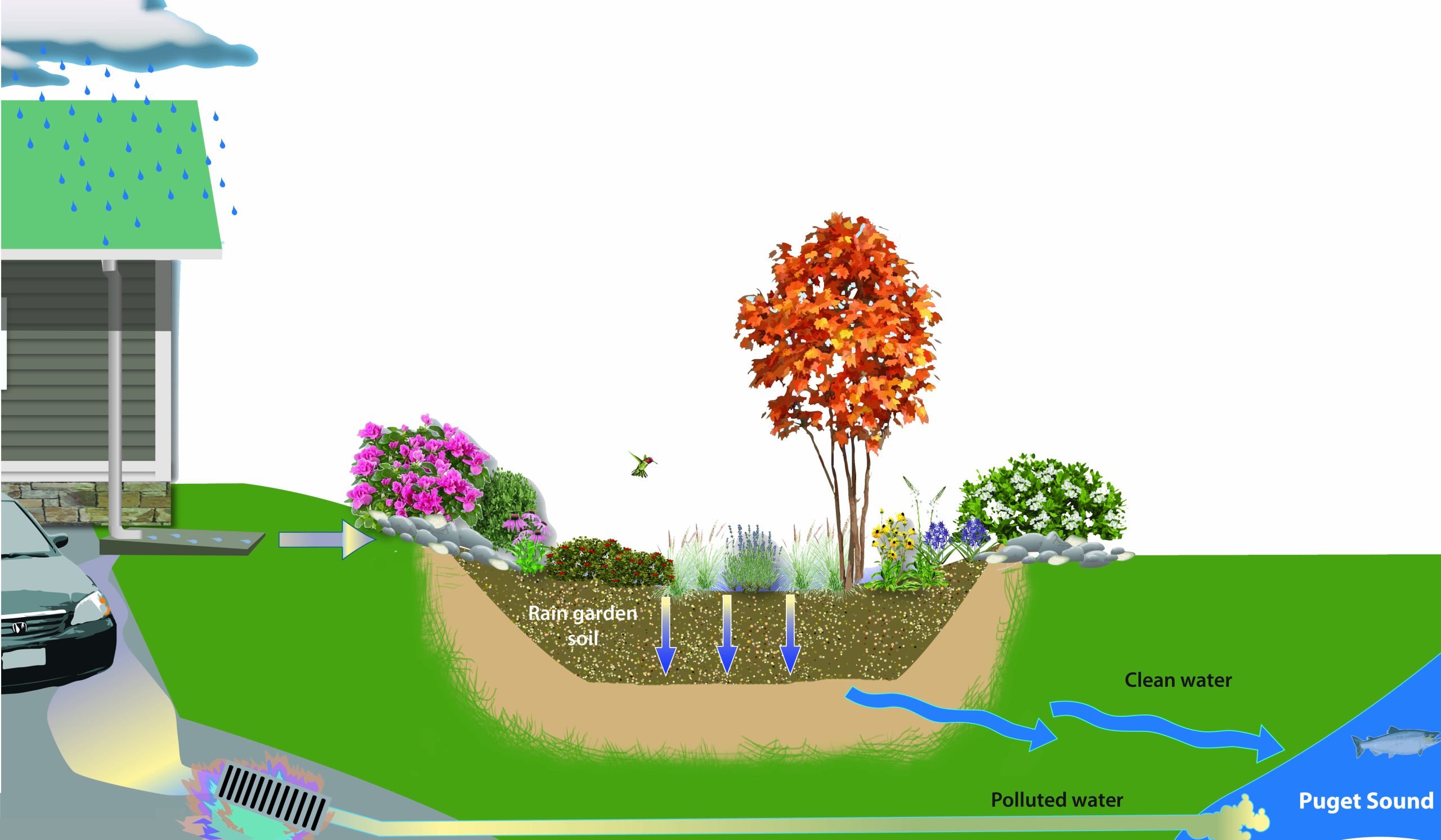
Swales – soft water channels: Swales are created using a shallow layer of soil covered with grass or shrubs. Thanks to their good permeability and slow water flow, swales help reduce erosion and direct water to where it is needed.
Permeable paving materials and permeable paving: Materials include: crushed stone, gravel, hollow bricks, permeable natural stone, drainage plastic grids combined with porous coverings, etc. Using permeable materials significantly reduces surface water runoff, supporting faster drainage.
3. Modern solution: Plastic drainage grid
In recent years, plastic drainage grid Drainage cells have become one of the most advanced solutions for optimizing drainage in gardens, especially in small-scale projects with many hard surfaces and requiring high technical expertise, such as rooftops, balconies, townhouse gardens, or commercial grounds. This technology completely solves the problem of waterlogging and root rot that traditional methods like gravel, stones, or open trenches often struggle to address.
3.1. What are plastic drainage grids?
Plastic drainage grid These are HDPE or PP plastic sheets designed according to a specific structure. grids, honeycomb, or multidimensional hollow cell systems, creating a continuous drainage compartment Beneath the soil or paving surface, when properly installed, the entire grid system functions as a collection, conduction, and drainage network, allowing rainwater or irrigation water to be dispersed and drain away quickly without stagnation.
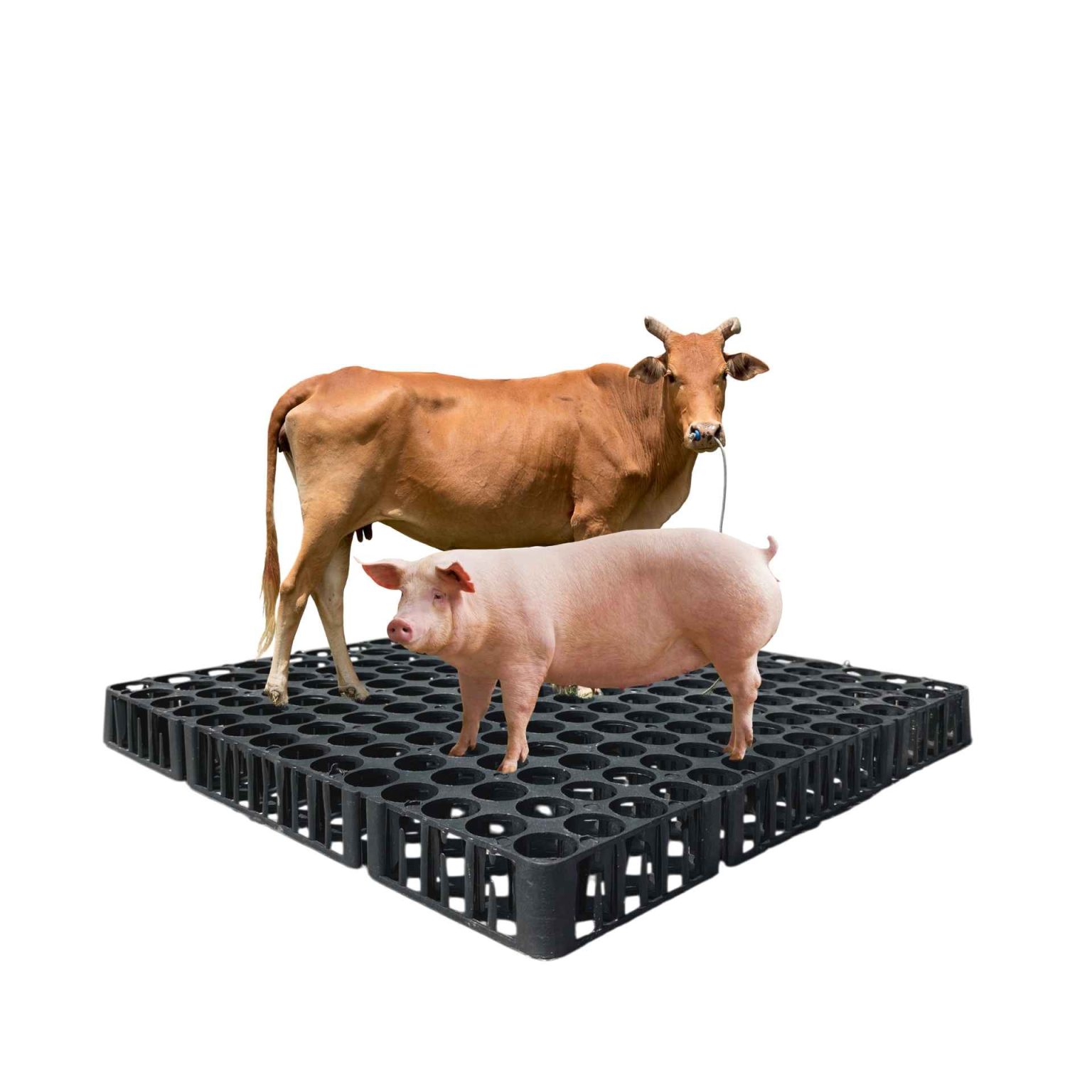
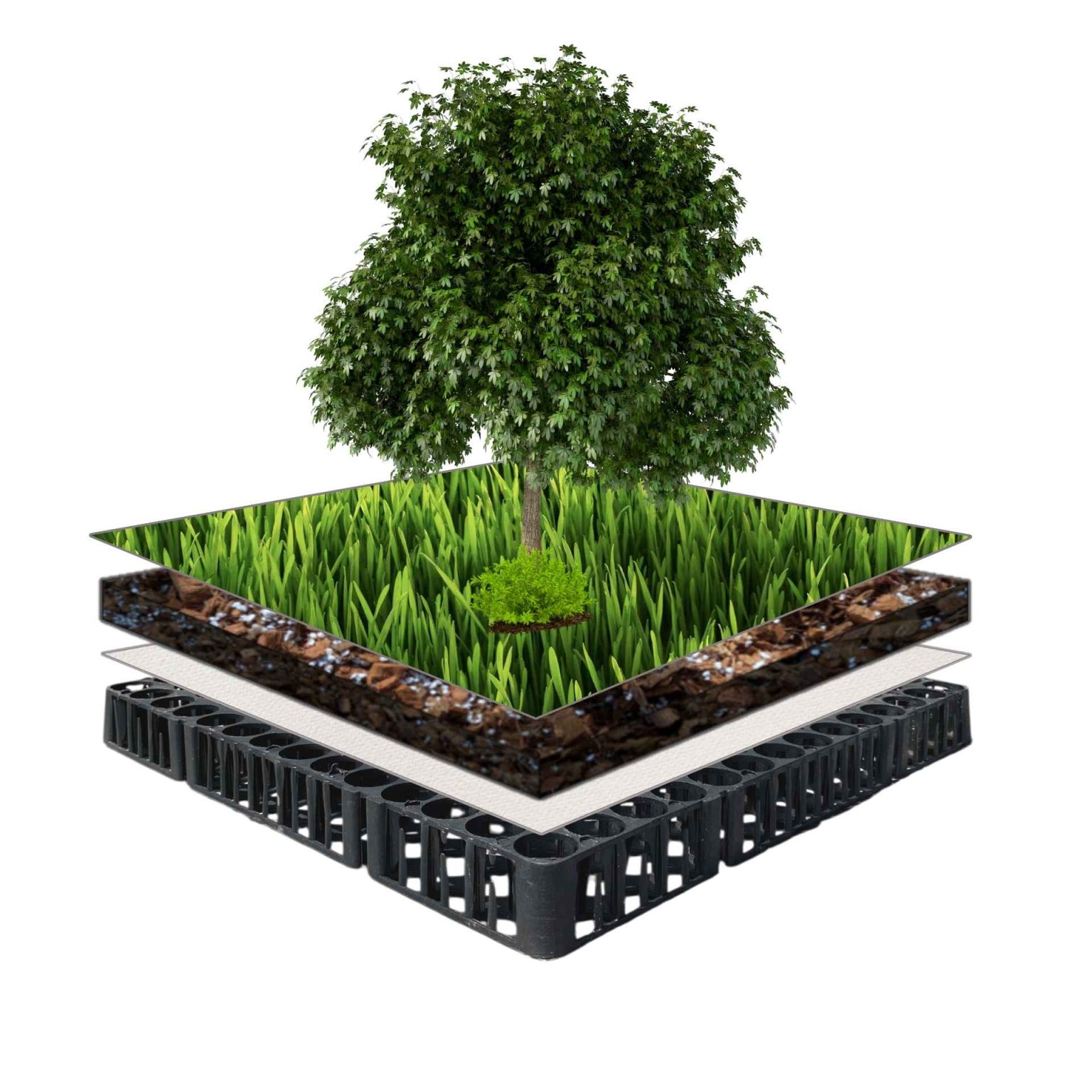

The grid is placed between the subbase and the soil or covering material, forming a breathable cushion that supports multidirectional drainage and maintains the stability of the structure above.
3.2. Outstanding advantages of plastic drainage grids
Fast drainage – prevents root rot and surface waterlogging: Plastic drainage grids with large voids allow water to move freely and drain faster than traditional gravel or stone layers. This keeps plant roots dry, reducing the risk of waterlogging and root rot. The surface also resists waterlogging after rain, maintaining a dry and safe environment for activities.
Maintaining soil structure stability – limiting erosion: The planting bed acts as a sturdy support structure beneath the soil, helping to stabilize the soil structure and prevent soil erosion by surface runoff. This is especially important in areas with slopes or heavy rainfall, keeping plants healthy.
High load-bearing capacity and fast construction: Many types of decking can withstand loads of up to tens of tons per square meter, making them suitable for areas with heavy furniture, landscaping, or urban gardens. Compared to gravel, decking is lighter, easier to install, and drains water more effectively, while also reducing soil overheating and root suffocation during the dry season.
Versatile application in any urban landscape: Plastic decking is suitable for townhouse gardens, balconies, rooftops, walkways, coffee shop patios, or children's playgrounds. It's an ideal solution for projects with limited space, ensuring proper drainage while maintaining aesthetics and ease of maintenance.
4. Prevention and routine maintenance
No matter how modern the solution, scheduled maintenance The drainage system remains a crucial factor in determining its effective operation. A clogged drain or blocked water intake point can damage the entire structure, causing severe flooding.
- Regular cleaning of drainage ditches and catch basins is recommended, ideally every 1–2 weeks during the rainy season, to remove fallen leaves, mud, and debris.
- Check the surface slope after heavy rains; if there are localized subsidence issues, adjust the slope to ensure proper water flow as designed.
- Adding soil or mulch material, planting areas or flowerbeds need to be replenished when experiencing significant erosion or drainage.
- Regular pruning of trees reduces leaf fall, thereby preventing clogging of drainage channels and catch basins.
- Inspect the waterproofing layer in your rooftop garden to ensure there are no leaks, cracks, or areas where water has accumulated under the soil.
- Monitor the condition of the plant roots and soil density. If the soil is too compacted, reducing its permeability, lightly loosen the soil, replace the growing medium, or add a drainage layer.
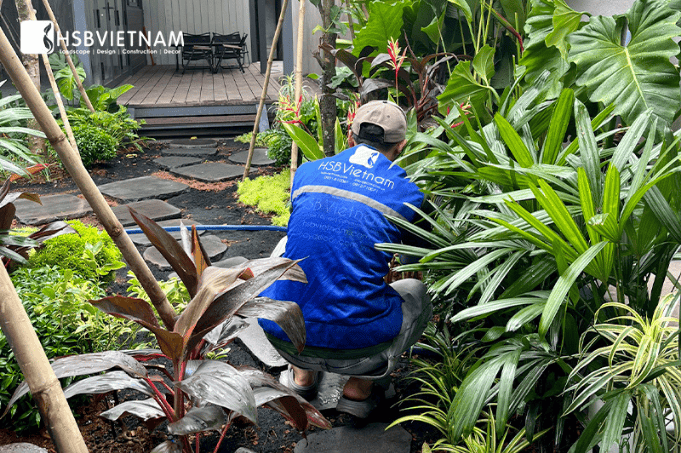
An effective drainage system is always a combination of proper design, standard construction, and regular maintenance. Investing in proper care not only helps reduce the risk of flooding but also protects plants, maintaining the beauty and longevity of the entire landscape.
5. Conclusion
Preventing garden flooding isn't a difficult task, but it requires a combination of soil surveying, drainage design, ecological solutions, modern materials, and proper maintenance. Among these, plastic drainage grids are a prominent solution, offering quick results, high durability, and wide applicability in modern landscaping.
Investing in a drainage system from the start will help you minimize damage to plants, save on long-term repair costs, and keep your landscape clean and safe – whether it's a family garden, a cafe, or an urban landscape.





