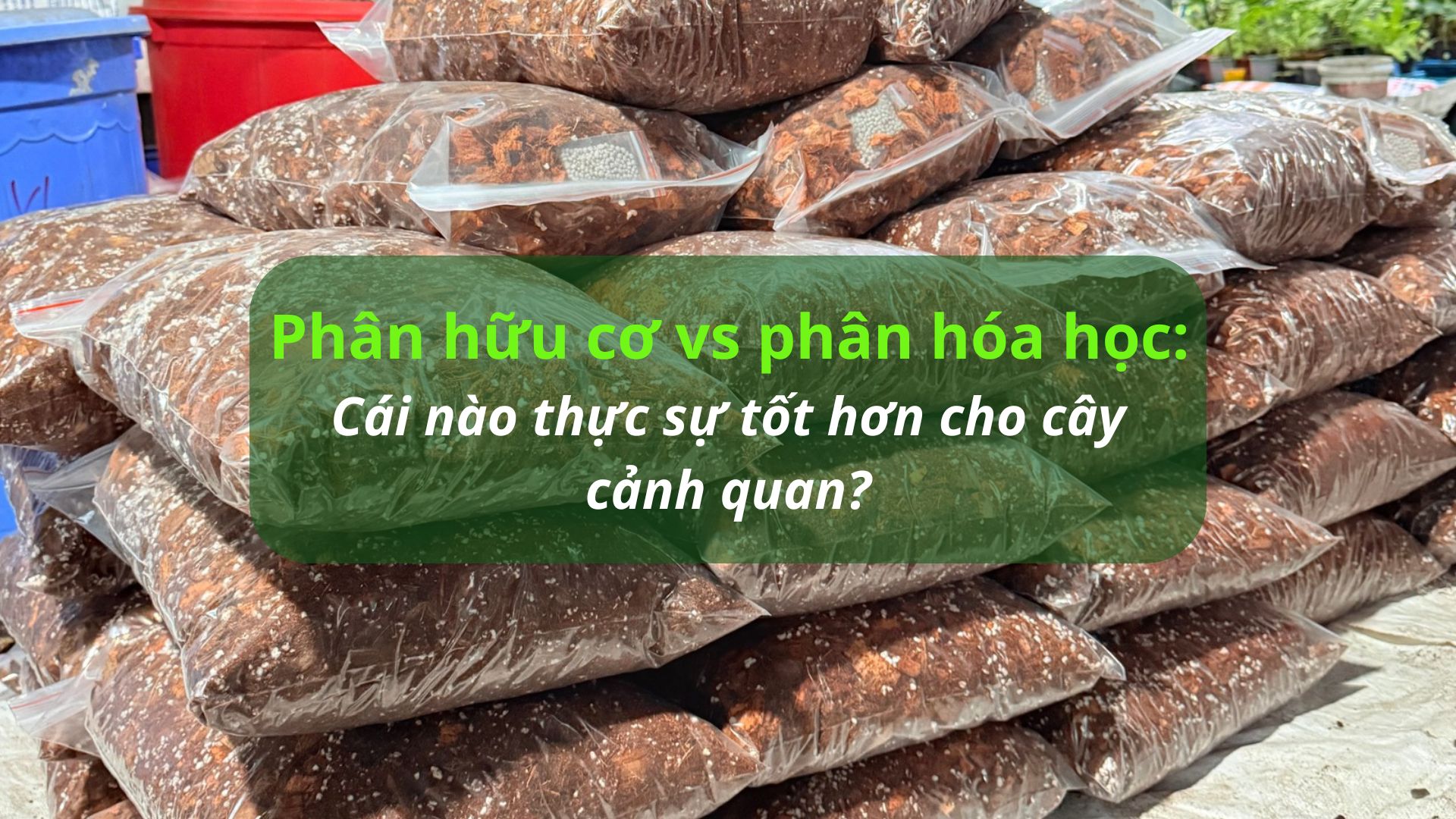
In the world of gardening enthusiasts, the debate between organic and chemical fertilizers has never cooled down. One represents the power of industry, delivering instant greenery; the other represents the tranquility of nature, slow but enduring. As experts in landscaping, we understand this. purely organic landscapeCaydecor understands that homeowners face a difficult choice. Should they opt for the quick results of chemical fertilizers or the sustainability of organic fertilizers? To answer this question, we need to look deeper into their long-term impact on the ecosystem and your wallet; it's not just about immediate effectiveness, but also the heritage value of the garden. This article will analyze the pros and cons of both types of fertilizers in detail, helping you understand why organic solutions are becoming the gold standard for high-end villas today.
Chemical fertilizers – “fast food” for plants and their hidden consequences.
Chemical fertilizers (NPK, compound fertilizers) work by directly supplying macronutrients in the form of dissolved ions.
- Advantage: It works extremely quickly; the plants turn green and bloom within just a few days of use.
- Disadvantages: This is the root cause of soil degradation. Chemical fertilizers do not nourish the soil; on the contrary, they increase salt concentration, kill microorganisms, and harden the soil structure. The phenomenon of "leaching" causes chemical fertilizers to quickly seep into groundwater, polluting the environment. In the long term, crops become "addicted" to fertilizer, weak against pests and diseases, and prone to sudden death if fertilization is stopped.
Convenience comes with a trade-off.
Chemical fertilizers (NPK, single-nutrient fertilizers) are like "fast food" for plants. They provide nutrients in the form of soluble salts, allowing plants to absorb them instantly and thrive within days. However, behind that vibrant appearance lie serious consequences:
- Harden the soil: The salt compounds in chemical fertilizers, when left to accumulate for extended periods, will break down the soil's granular structure, causing it to become compacted and lose its ability to retain water and oxygen.
- Destroying the microbial ecosystem: High salt concentrations cause thermal shock and kill beneficial microorganisms, turning the soil into a biological "desert".
- The growth trap: Plants fertilized with chemical fertilizers often develop leaves too quickly, but their cell walls become thin and weak, making them susceptible to pests and diseases, leading to the need for additional chemical pesticides – a vicious cycle of endless toxicity.
See more at: Detailed instructions on how to make compost at home from kitchen waste.
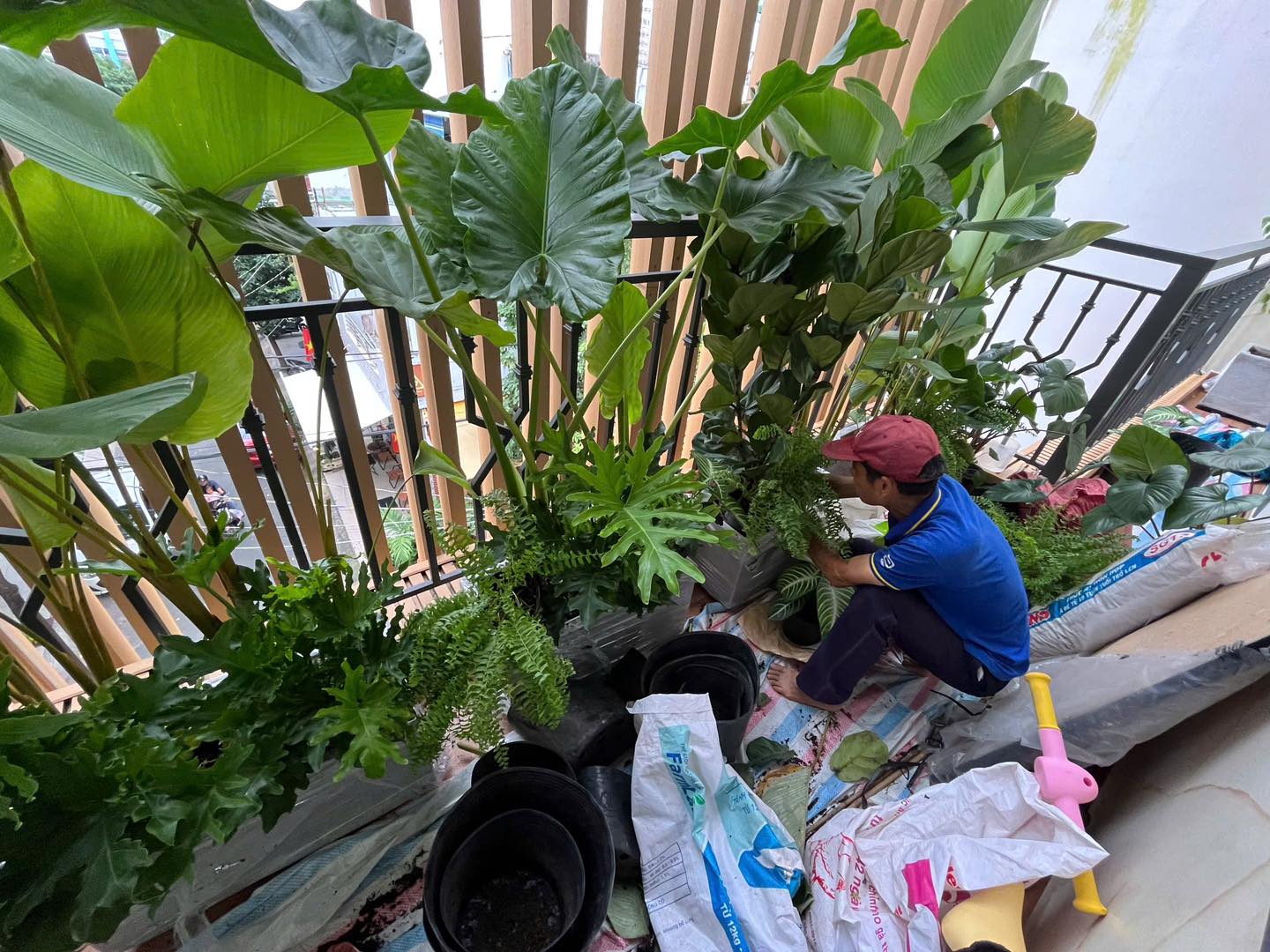
Organic fertilizer – A revival from nature's essence
Unlike chemical fertilizers, organic fertilizers (well-rotted manure, vermicompost, green manure, oil cake, etc.) provide nutrients through the slow decomposition process of microorganisms.
- Advantage: Organic fertilizers improve soil structure, increase water retention, and create an ideal environment for soil ecosystem development. Nutrients are released gradually according to plant needs, avoiding fertilizer shock or leaf burn. More importantly, organic fertilizers help plants develop deep roots, thick leaves, and vibrant, long-lasting flower colors.
- Disadvantages: The effects are slower compared to chemical fertilizers. If not properly processed, some traditional organic fertilizers can produce unpleasant odors or contain pathogens.
However, in the organic garden design Modern Caydecor has completely overcome these drawbacks by using high-grade organic microbial fertilizers that have undergone heat treatment and antagonistic fungal inoculation, ensuring no odor and absolute safety.
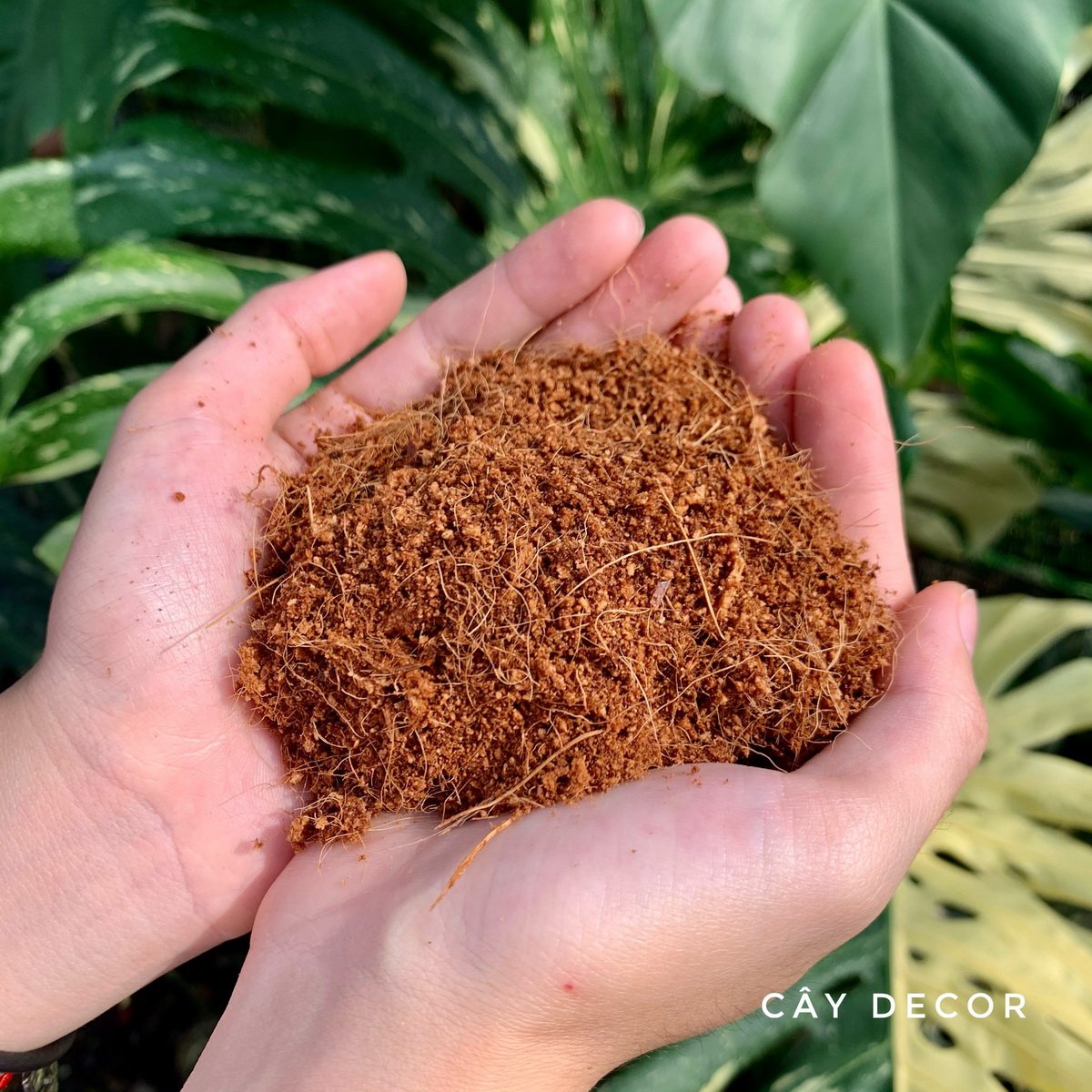
Sustainable and safe nutrition sources
Opposite, organic fertilizer for ornamental plants (Composted cow manure, earthworm castings, compost) provide nutrients through a slow-release mechanism. Organic matter not only nourishes plants but also serves as a food source for soil microorganisms.
Using organic fertilizer in purely organic landscape help:
- Improving soil physical properties: Increasing humus content helps the soil become more porous and retain moisture better (especially important in the hot climate of Ho Chi Minh City).
- Boost your immune system: The tree is hardy, with a sturdy trunk and the ability to withstand harsh conditions.
- Family safety: Completely non-toxic for children and pets to play in the garden.
Comparing the long-term impacts on garden ecosystems.
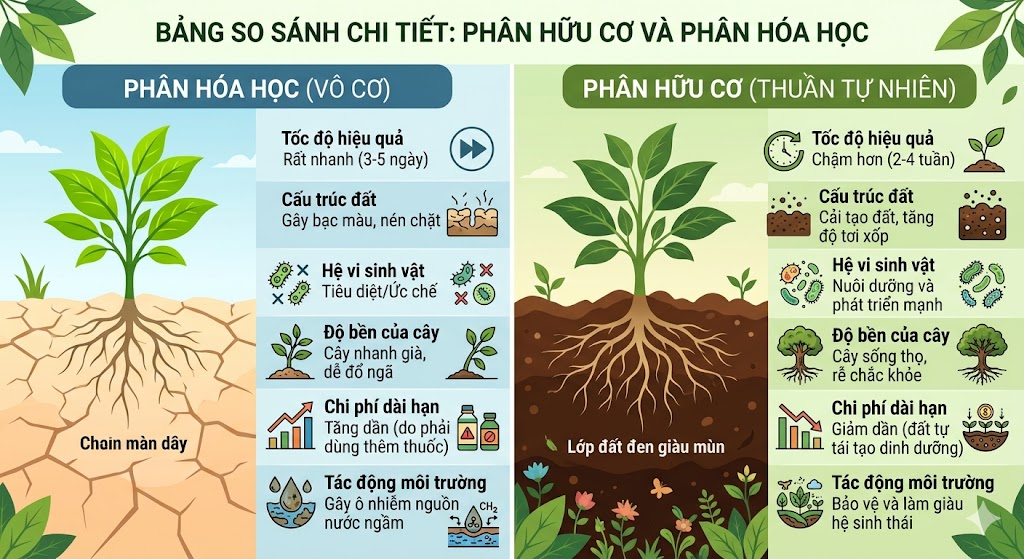
- Soil fertility: Chemical fertilizers deplete the soil; organic fertilizers build up the soil.
- Plant resistance: Plants fertilized with chemical fertilizers have thin, watery leaves and are easily attacked by aphids and other pests; plants fertilized with organic fertilizers have thicker cell walls and are less susceptible to pests and diseases.
- Expense: Chemical fertilizers are cheap initially but expensive later due to the need for soil improvement and plant replacement; organic fertilizers are a smart investment, saving on long-term maintenance costs. sustainable landscape solutions.
If your garden has been "addicted" to chemical fertilizers for a long time, abruptly cutting them off will deplete the plants. Caydecor's transition process typically goes like this:
Decreasing rate: Reduce the amount of chemical fertilizer by 30-50% in the first fertilization.
Adding "Microbial Relief": Introduce microbial preparations (EM, Trichoderma) to begin restoring the underground "kitchen" system.
Replace with premium organic alternatives: Use vermicompost or homemade compost to fill in nutrient gaps.
Surface covering: Use a layer of mulch to protect the newly introduced microorganisms.
In the long run, the cost of organic maintenance will be 50-70% lower than traditional methods because the plants are healthier on their own, requiring less replacement of dead plants and eliminating the need for expensive pesticides.
See more at: Organic garden care