


In the process of caring for trees, especially in urban environments, drainage is always one of the important but often overlooked factors. Waterlogged soil not only hinders tree growth and makes them more susceptible to death, but also creates an environment for fungal diseases and harmful insects. An effective and sustainable solution that many people are choosing today is... Plastic drainage trays for plants.
1. Plastic drainage trays for plants – A smart solution for modern plant growing systems.
Plastic drainage grid These are specially designed products made from high-quality virgin or recycled plastic, offering high durability, excellent load-bearing capacity, and a long lifespan. With a mesh or honeycomb structure, the plastic grid creates a cushion between the soil and the bottom of the pot or planting surface, allowing excess water to drain easily and preventing waterlogging.

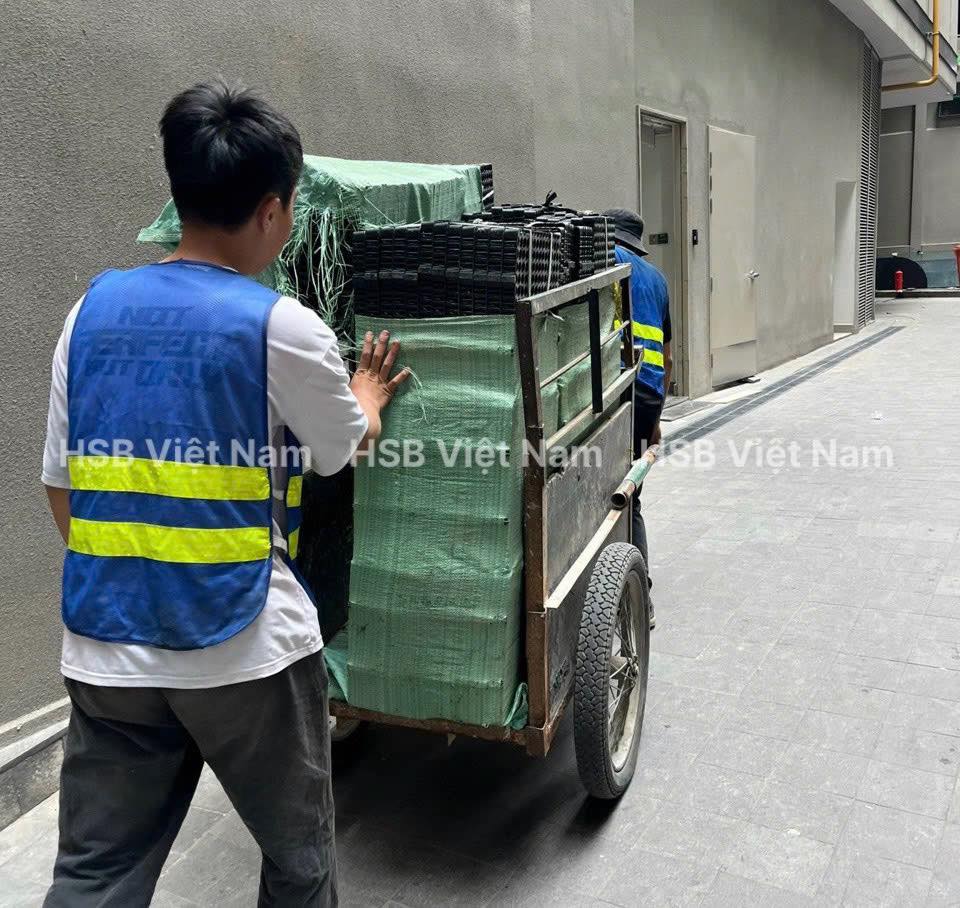
In the projects construction – landscape design For example, villa gardens, rooftop gardens, public parks, or green wall systems, plastic drainage grids play an essential role, both protecting vegetation and extending the lifespan of the entire structure.
2. Why should you use plastic drainage trays for your plants?

Protect the plant's root system.
One of the golden rules in landscape maintenance This ensures that the plant's root system can always breathe properly. The plastic tray creates a well-ventilated space underneath, preventing the roots from being waterlogged for extended periods, thus allowing the plant to grow stronger and more sustainably over time.
Increase the lifespan of planters and structures.
Water constantly accumulating in planters or on the surface of terraces and roofs can damage the structure, causing leaks and rapid deterioration. Plastic grids help water drain quickly, minimizing mold growth and contributing to the durability of both the planters and the building structure.
Saves effort and costs.
Using plastic drainage trays simplifies the plant care process. Growers no longer have to meticulously monitor watering or worry about adjusting the amount of water each day. Furthermore, reducing damage caused by waterlogging also means saving on the cost of buying new plants and replanting supplies.
Environmentally friendly
Many plastic trays are now made from recycled plastic, contributing to a reduction in plastic waste. At the same time, the use of plastic trays promotes green planting, helping to reduce the urban concrete effect and improve air quality.
3. Diverse applications of plastic drainage grids
Not limited to potted plants, plastic trays are also widely used in green projects such as:
- Rooftop garden: Rooftop gardening systems require good drainage to prevent waterlogging and damage to the roof.
- Green wall: Vertical green walls along houses and office buildings use plastic grids to ensure that water does not seep back into the walls.
- Parks and amusement areas: Plastic decking serves both as a drainage layer and protects the soil underneath.
- Walking paths, gardens: The plastic mats laid underneath help keep the court surface dry and clean even after heavy rain.
4. Things to note when choosing and using plastic drainage grids.
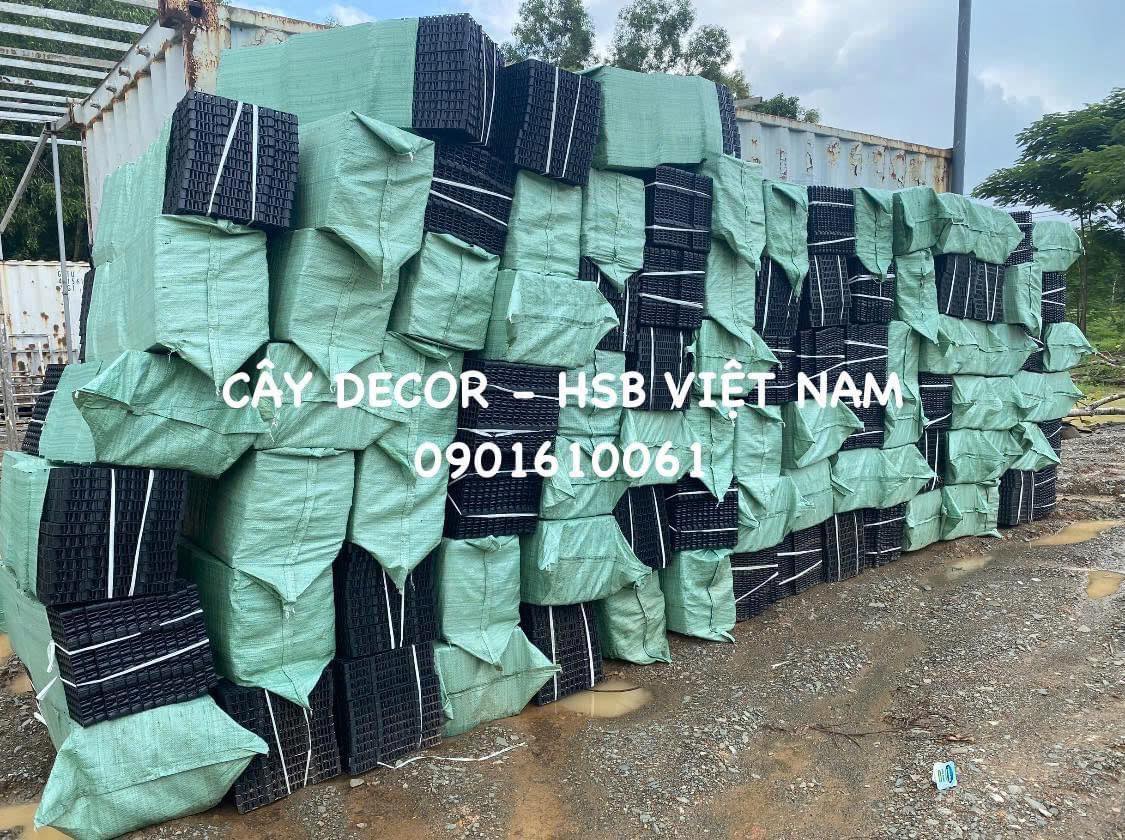

To maximize the product's effectiveness, users should note the following:
- Plastic quality: Prioritize choosing plastic trays made from durable materials that can withstand heavy loads and will not become brittle or break under the influence of weather.
- Suitable design: Depending on the intended use, choose a tray with the appropriate height and mesh size. For small potted plants, a low tray with small holes is more suitable; for large planting systems, a tall tray should be chosen to create a thick drainage layer.
- Proper installation: Place a plastic liner at the bottom of the pot or spread it evenly over the planting surface before adding soil. This can be combined with a layer of geotextile fabric to prevent soil from seeping into the drainage layer.
5. The future of plant growing systems with drainage plastic trays.
With the rise of green living trends, green building models, rooftop gardens, and balconies with planted trees are becoming increasingly popular in major cities. Along with this, the demand for professional tree planting techniques is also increasing. Plastic drainage grids for plants are not only a useful product but also an integral part of sustainable urban development solutions.
With many outstanding advantages, this product is being and will continue to be widely applied, contributing to bringing nature closer to modern life. Investing in a well-structured planting system with drainage plastic trays is a smart way to protect the long-term value of green spaces.





