A beautiful garden is not only a green space that helps purify the air, but also a focal point of the house, reflecting the homeowner's aesthetic taste and lifestyle. Currently, there are many diverse garden design trends; choosing a main style and a well-planned design will help define the space, optimize functionality, and ensure the design style harmonizes with the overall architecture.
How do you choose the right garden style?
An ideal garden needs a balance between aesthetics, functionality, and maintainability. Therefore, when choosing a design style, the following factors should be carefully considered:
- The overall architecture of the house: The garden style should be connected to and in harmony with the architecture. A modern house would suit a minimalist garden, while a classic villa would shine with a European-style garden.
- Actual area: Some styles, such as Chinese or classical gardens, require large spaces to fully showcase their beauty. Conversely, Japanese gardens or vertical gardens are smart choices for limited spaces in townhouses.
- Purpose of use: If you want your garden to be a place for meditation and relaxation, you can choose a Japanese style. If the garden is a place for family and friends to gather, a modern or Mediterranean style garden would be suitable choices.
- Budget and maintenance capabilities: Each style has different investment costs and levels of maintenance. Accurately calculate the actual time and resources you can dedicate to maintaining the beauty of your garden. Understanding garden design trends will help you budget more effectively.
10 of the most beautiful garden design trends for 2025
1. Japanese-style garden design
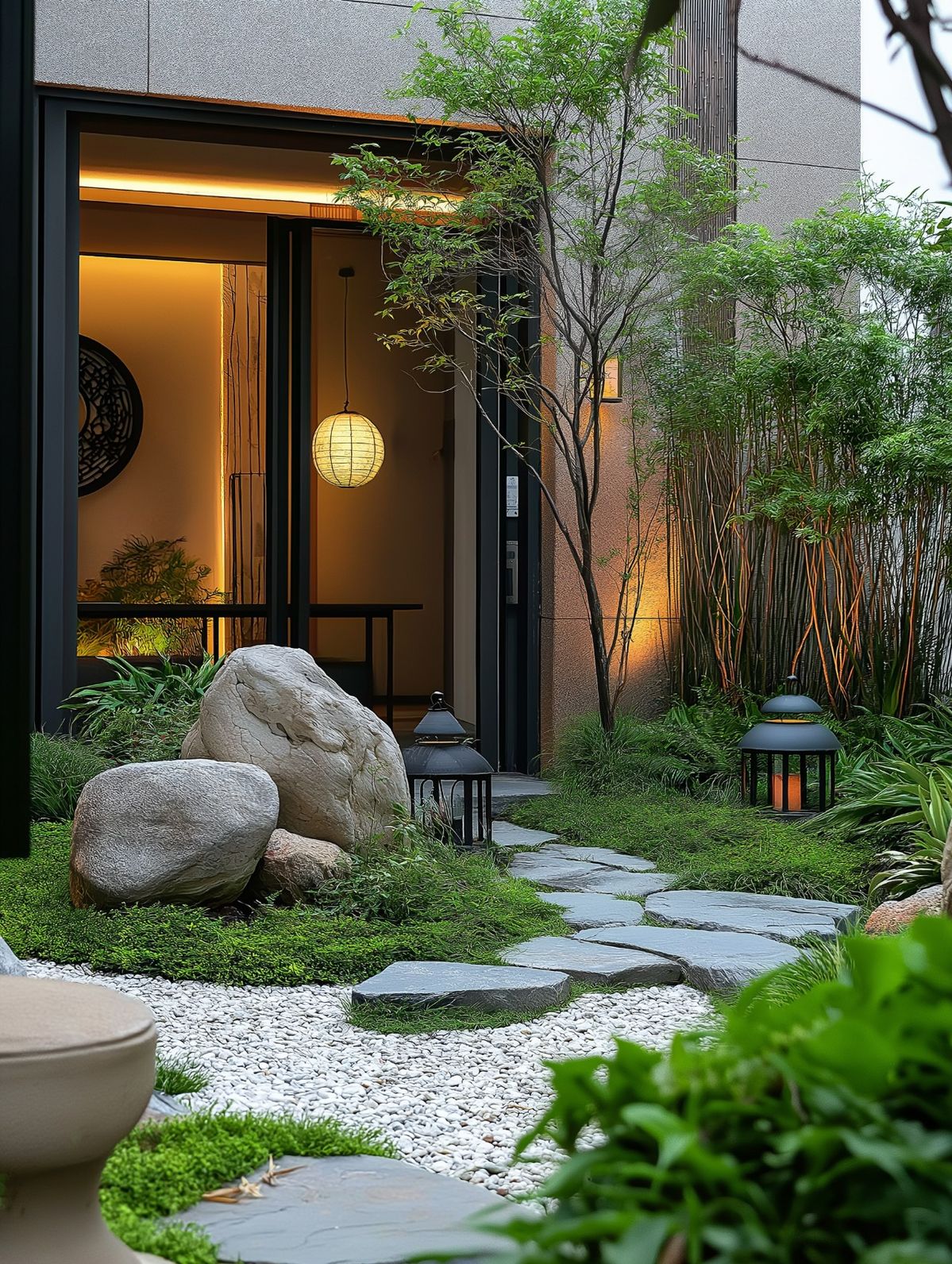
Japanese-style garden design (Zen Garden) focuses on creating a peaceful, tranquil space for relaxation and contemplation. The philosophy of a Japanese garden is to subtly and minimally mimic nature, where each element carries a deep symbolic meaning.
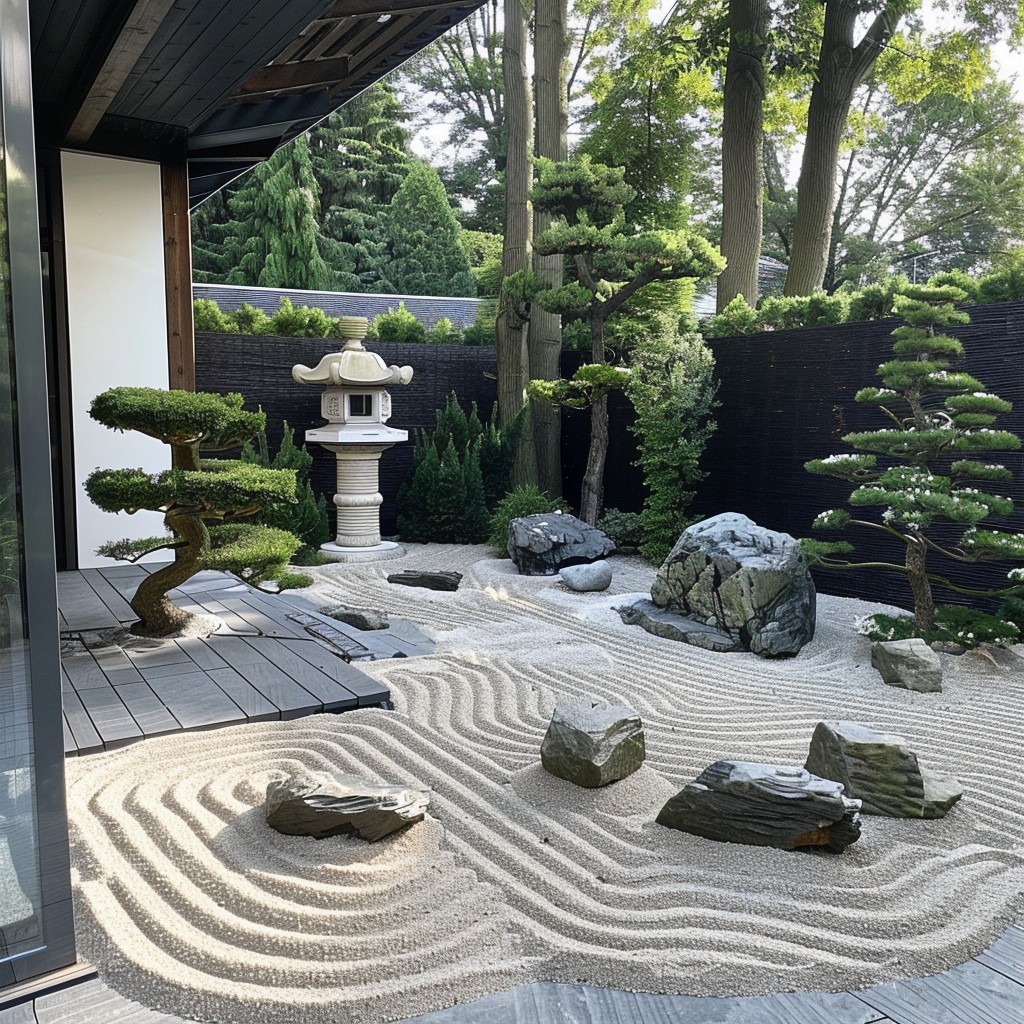
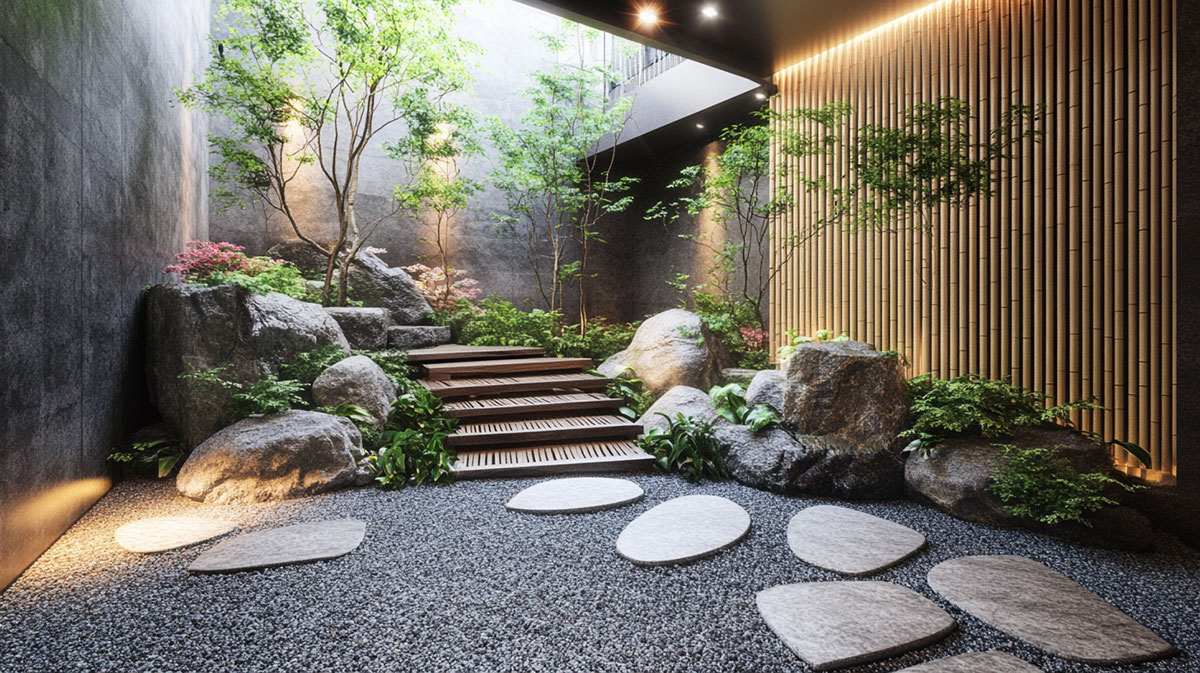
In this design style, the essential elements are: stone (symbolizing mountains), white sand or gravel raked into wavy shapes (symbolizing water), a small pond (often with Koi fish), stone lanterns (Tōrō), and meticulously trimmed plants such as Podocarpus, maple, bamboo, and reeds. This style is suitable for homeowners who appreciate minimalism, tranquility, and a meditative atmosphere, and can be flexibly applied to both small gardens and miniature landscapes.
2. Modern style garden design
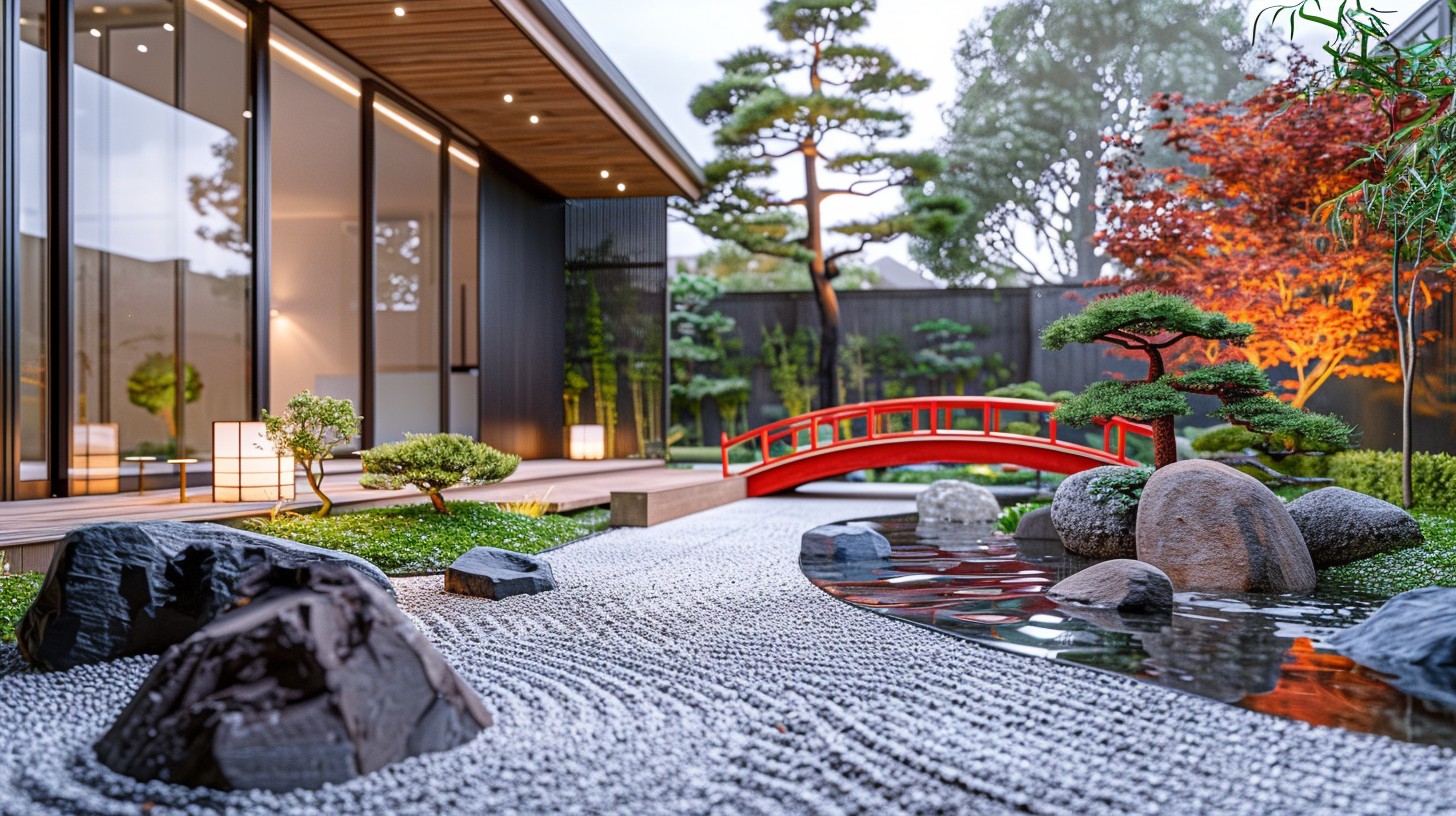
Modern garden design trends emphasize clarity, coherence in layout, and functionality. This style eliminates unnecessary details, focusing instead on geometric lines, masses, angles, and the contrast between materials and greenery.
Concrete, corten steel, glass, etc., are industrial materials commonly used in modern garden design. Trees are also often planted in rows or large clusters, with few species. The space is clearly divided into functional areas such as a BBQ area, a seating area, and walkways. This style is suitable for homeowners who prefer neatness and cleanliness, especially those with modern architecture or minimalist villas.


3. Tropical garden design
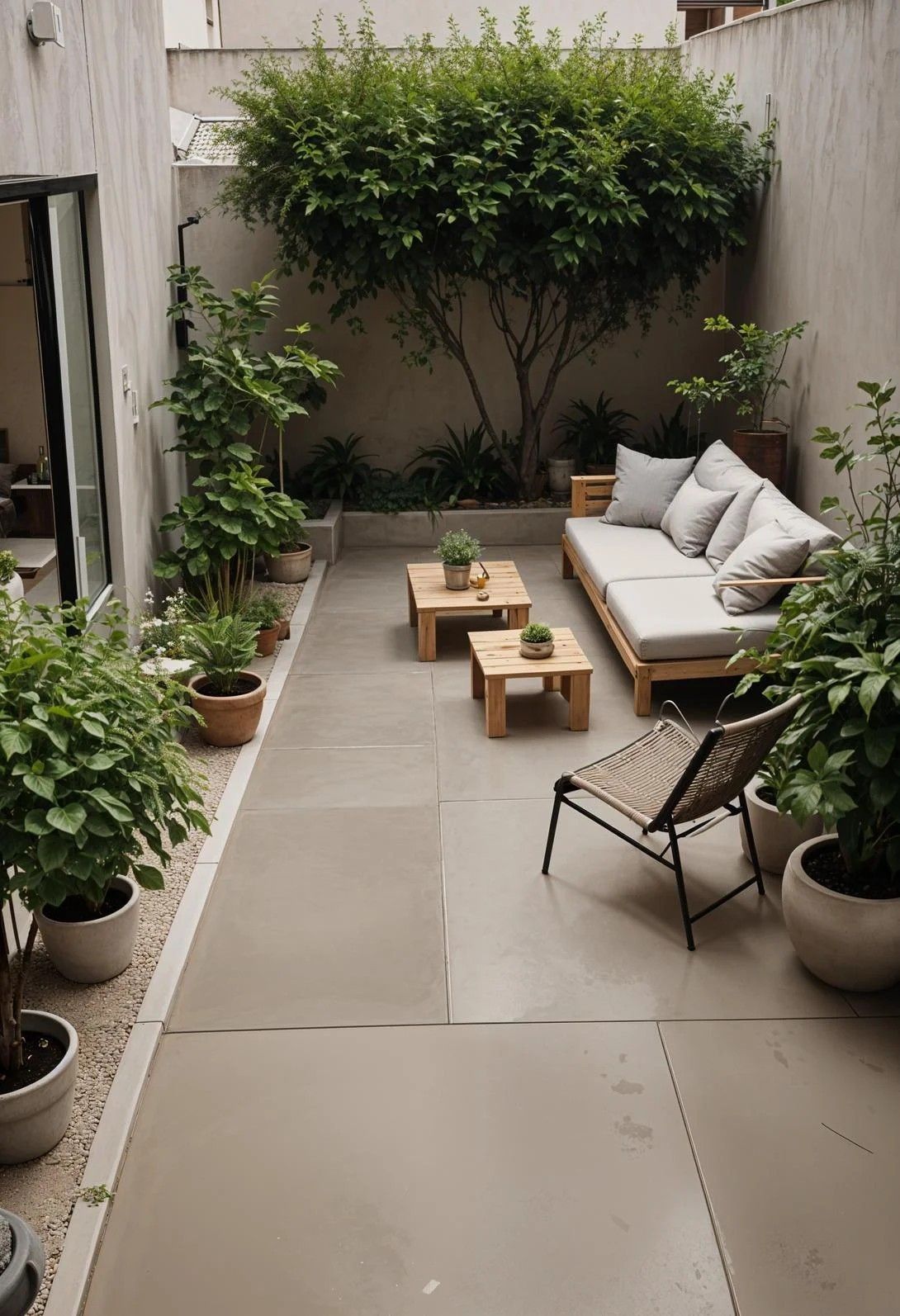
Tropical style mimics the beauty of a lush green forest, bringing a sense of relaxation and closeness to nature. This garden design trend focuses on the diversity of foliage layers, creating a multi-layered and vibrant space. Commonly used plants for this design are those with large canopies and unique shapes, such as palms, betel palms, and ornamental banana trees. split-leaf philodendron (monstera)...ferns, etc. The plants are planted close together to create a lush feel, and can be combined with a swimming pool, small pond, or miniature waterfall.
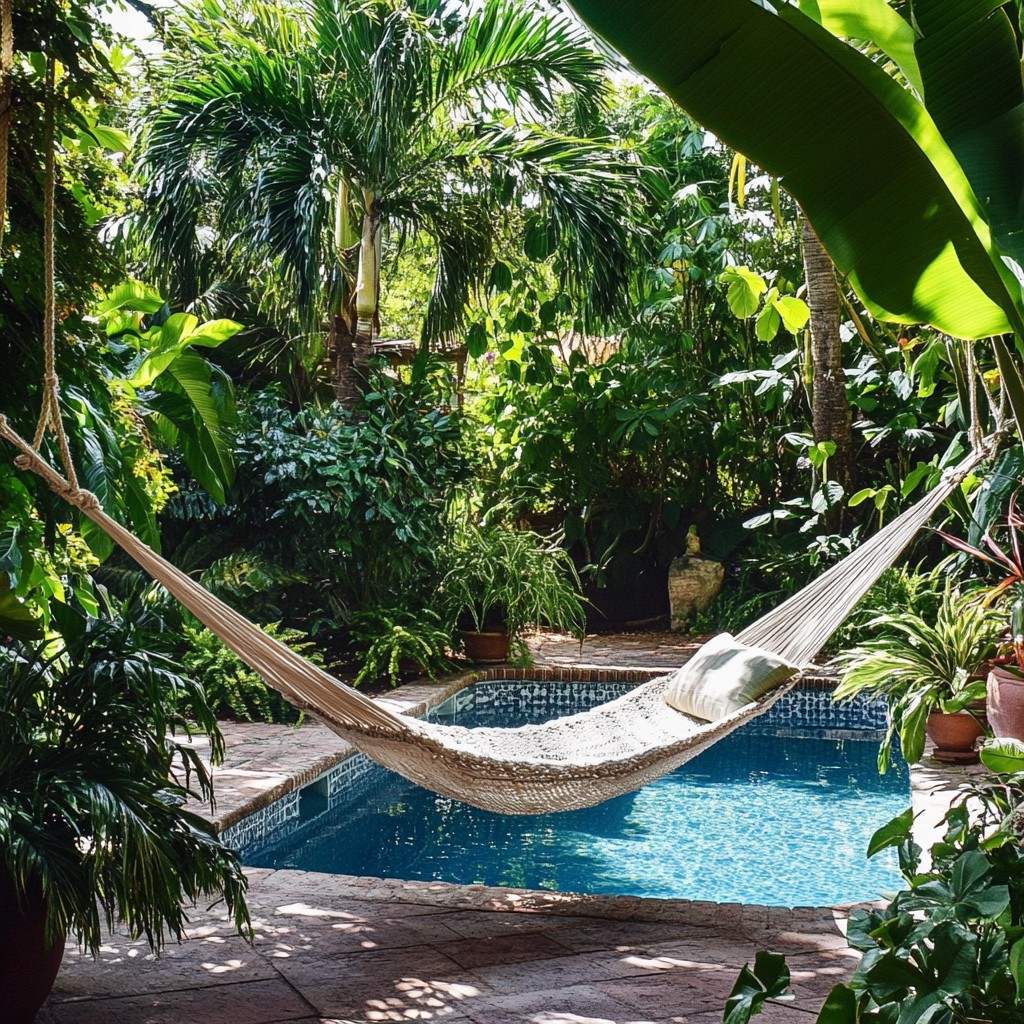
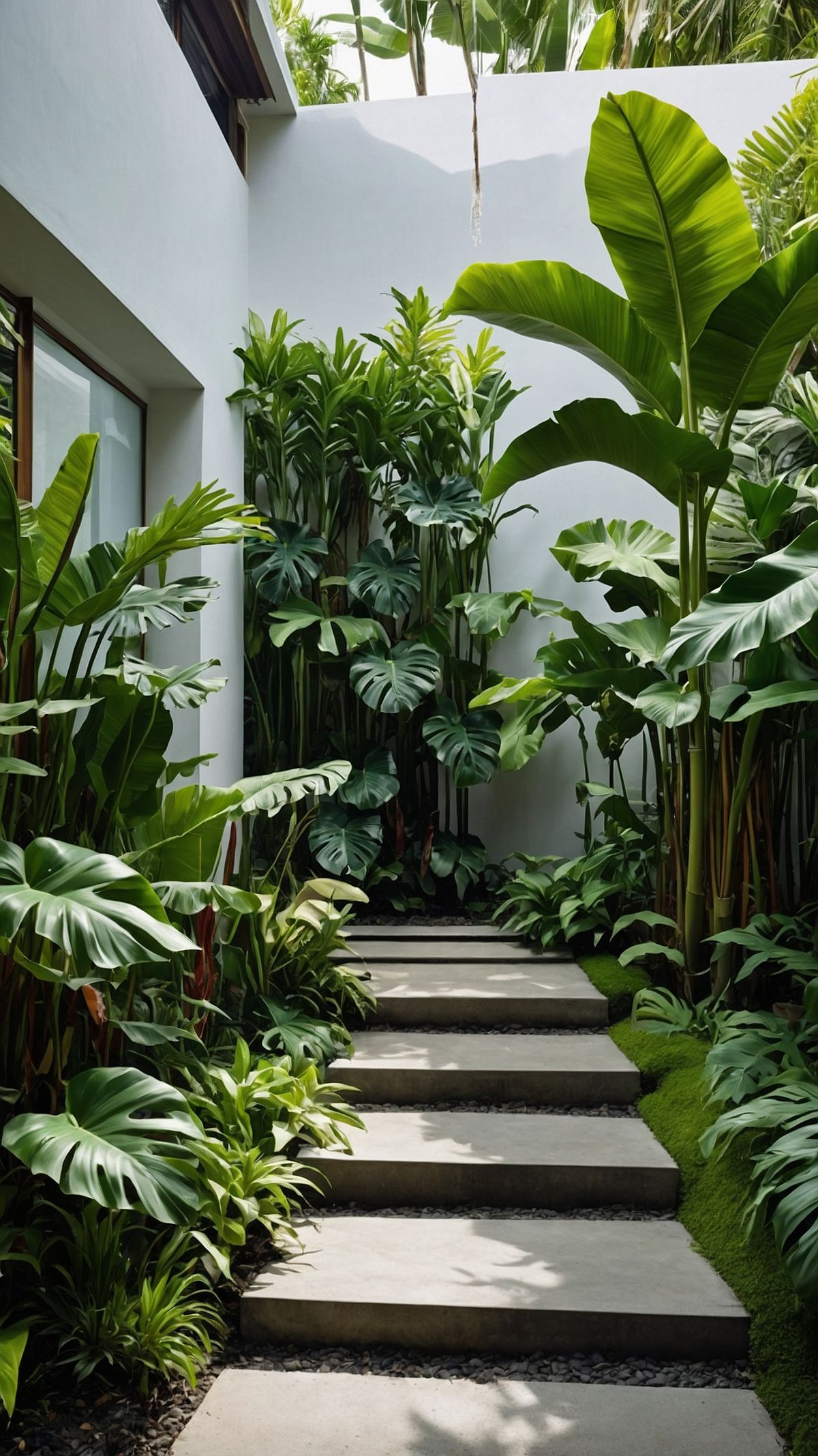

Tropical gardens are an increasingly popular design style, very suitable for vacation villas and houses with large gardens, especially in areas with hot and humid climates like Vietnam. This is also a design trend that homeowners who love having plenty of greenery in their living space should not overlook.
4. European Classical Garden Design
Inspired by the royal gardens of France and Italy, this style embodies formality, elegance, and order. The golden rule of the design is strict symmetry, with elements intentionally arranged around a central axis.
Gardens designed in this style often feature a fountain or sculpture as a focal point and a symmetrical layout. Hedges also need to be meticulously trimmed, with straight pathways paved with gravel or stone, and flowerbeds with distinct geometric shapes. This style requires a sufficiently large garden area, such as that of a mansion or villa with classical or neoclassical architecture.


5. English Country Style Garden Design
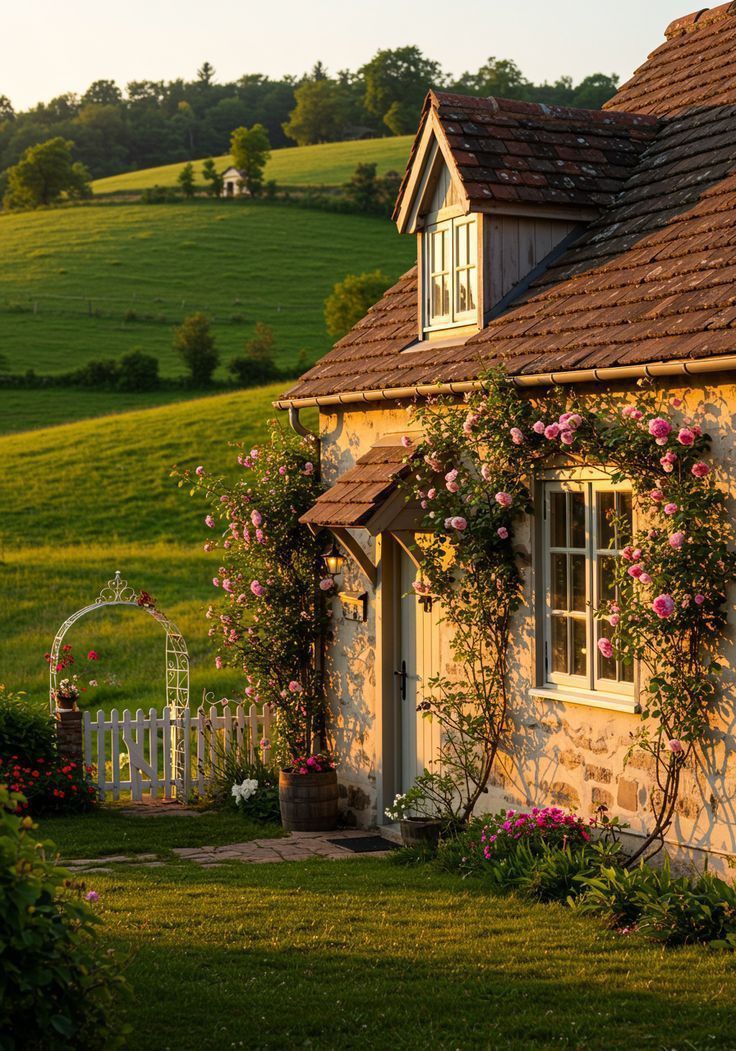
This garden design trend offers a romantic, simple, and intentionally somewhat "messy" aesthetic. It evokes images of English country gardens, where flowers and plants are grown freely and interspersed, creating a sense of intimacy and familiarity.

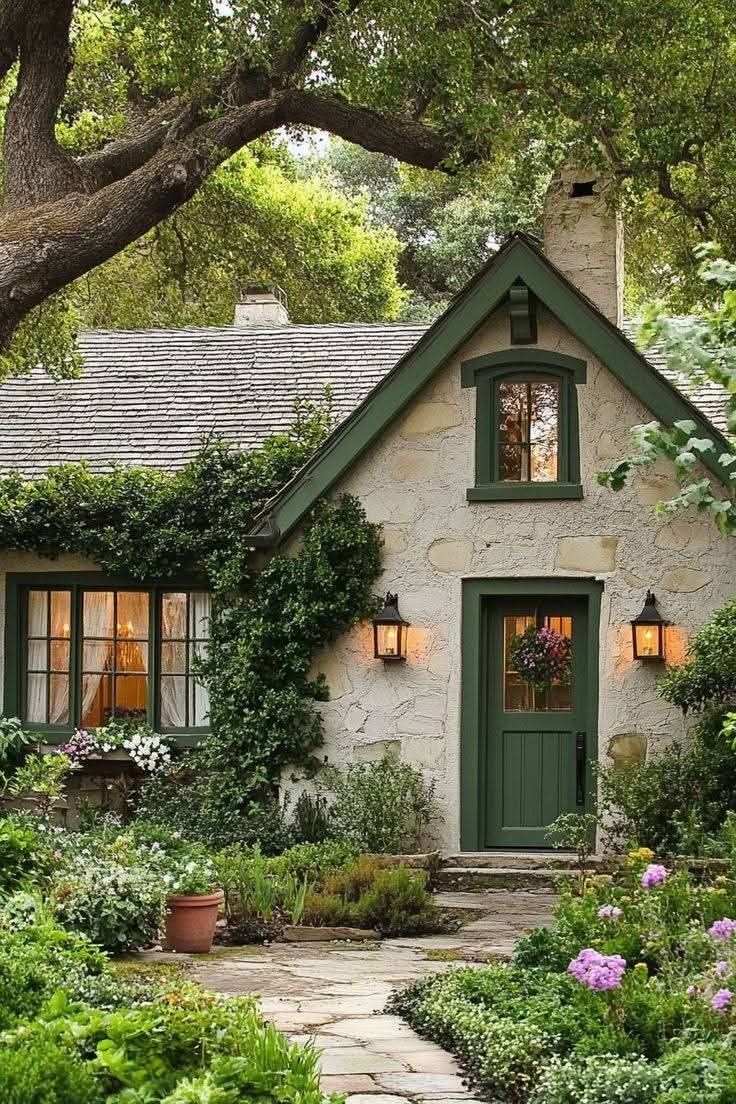

Various types of flowers such as climbing roses, lavender, daisies, herbs, and fruit trees will be planted interspersed. Winding pathways will be paved with old stones or bricks and utilize natural materials such as wood, trellises, and simple fences. This design would be suitable for suburban homes, homestays, and those who appreciate natural, unconstrained beauty.


6. Mediterranean-style garden design
This style recreates the atmosphere of coastal regions in Greece, Italy, and Spain. It evokes a feeling of relaxation and rest with its warm color palette and natural, rustic materials. This is a very popular garden design trend for resorts.
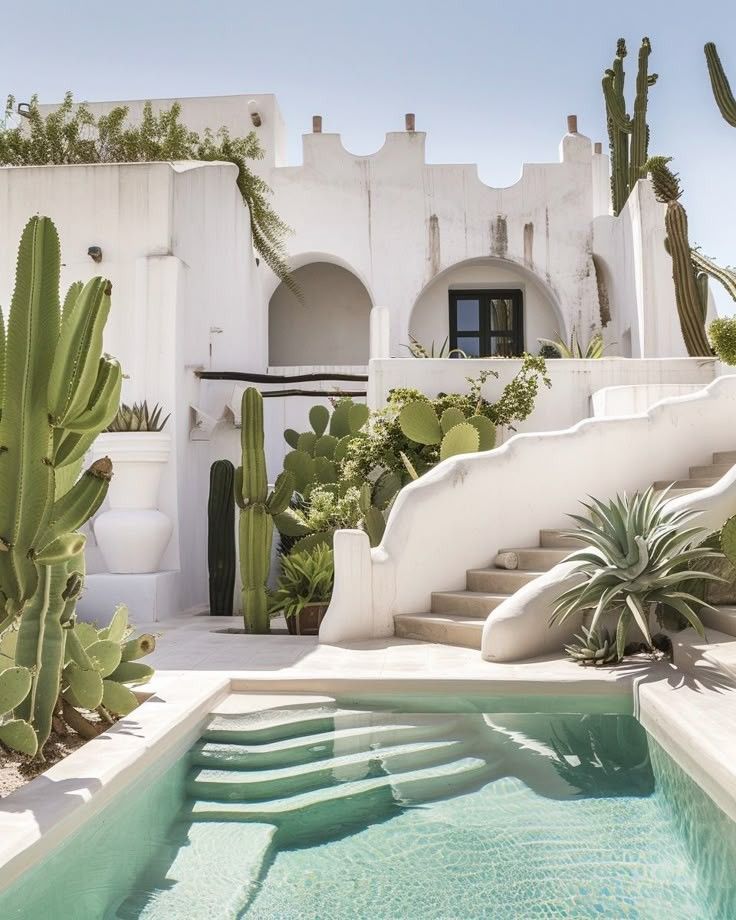

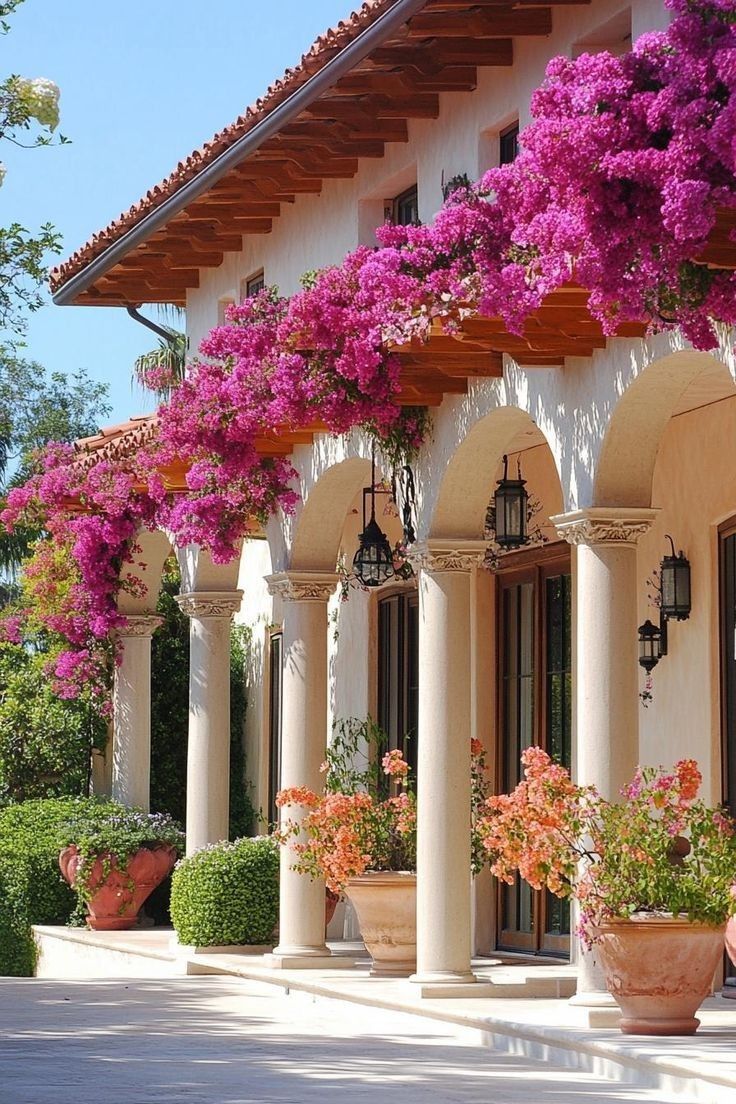
If you love this style, you're probably already familiar with cobblestone or terracotta paving, white or ochre-painted walls, and the use of plenty of terracotta pottery for decoration. To accurately recreate the Mediterranean style, the garden should feature drought-tolerant plants such as cacti, rosemary, olive trees, bougainvillea, etc., and is best suited for gardens in hot, dry, sunny climates.
7. Chinese-style garden design
Unlike the minimalist style of Japanese gardens, Chinese gardens mimic majestic natural landscapes in a miniature space. This style creates diverse scenes, with each viewpoint revealing a picturesque landscape.
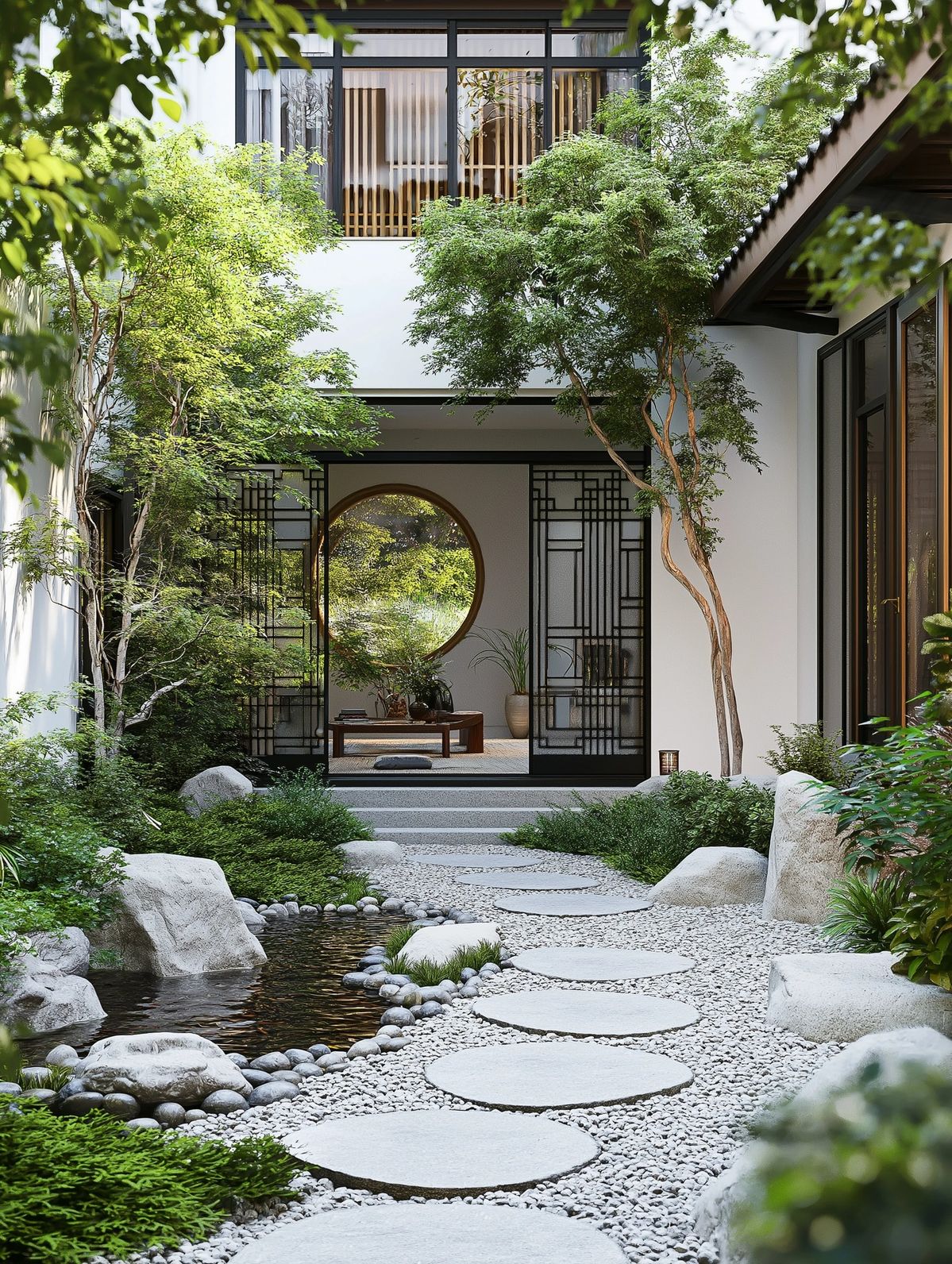

A characteristic of Chinese gardens is the central element of water, combined with uniquely shaped rocks, arched bridges, and winding pathways. An architectural structure such as a viewing pavilion is often added to create a focal point for the overall design. Popular plants for this style include pine, bamboo, and willow. Due to the space required to fully accommodate all the elements, this style is best suited to the spacious gardens of villas, restaurants, or resorts with distinctly East Asian architecture.

8. Nordic-style garden design
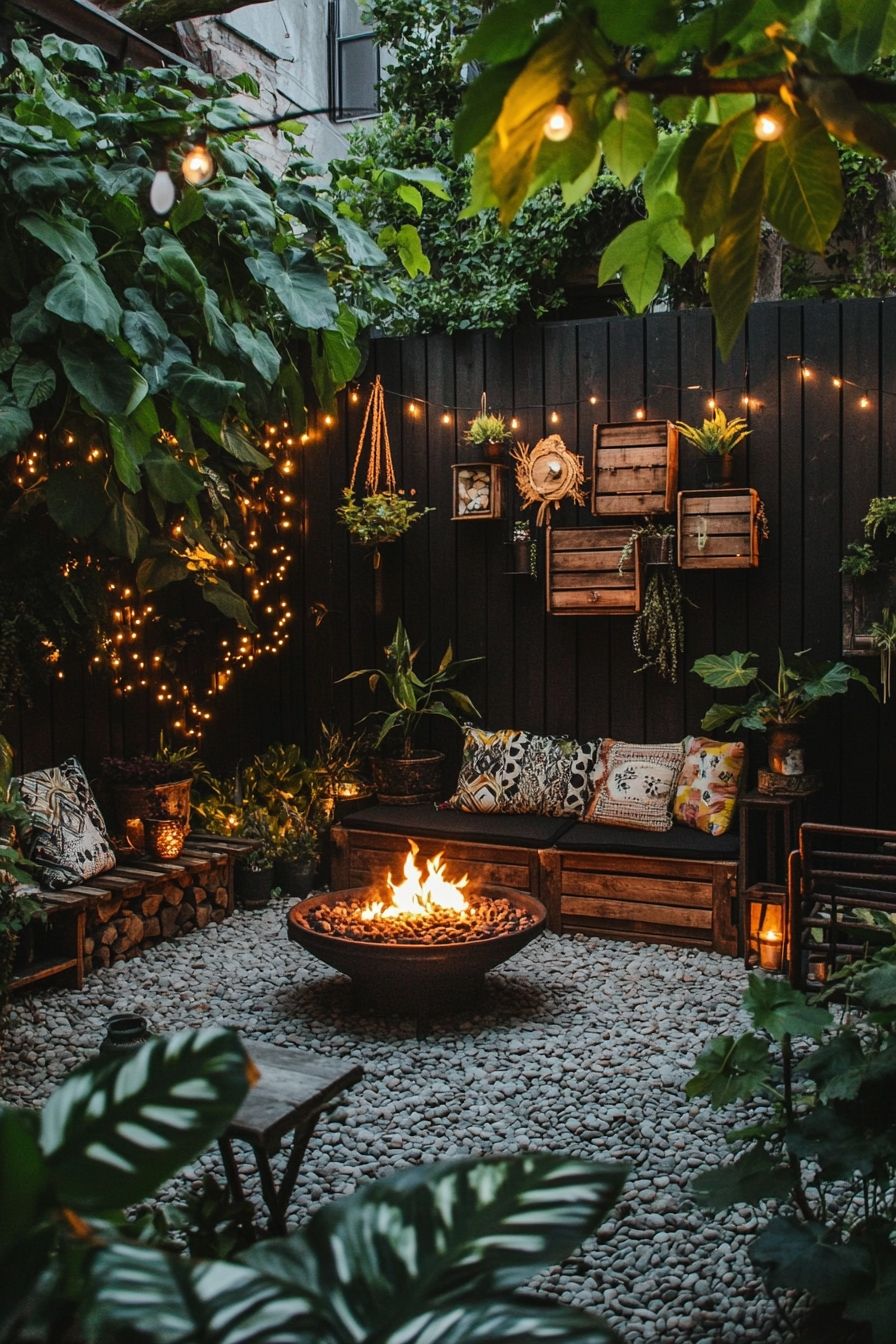
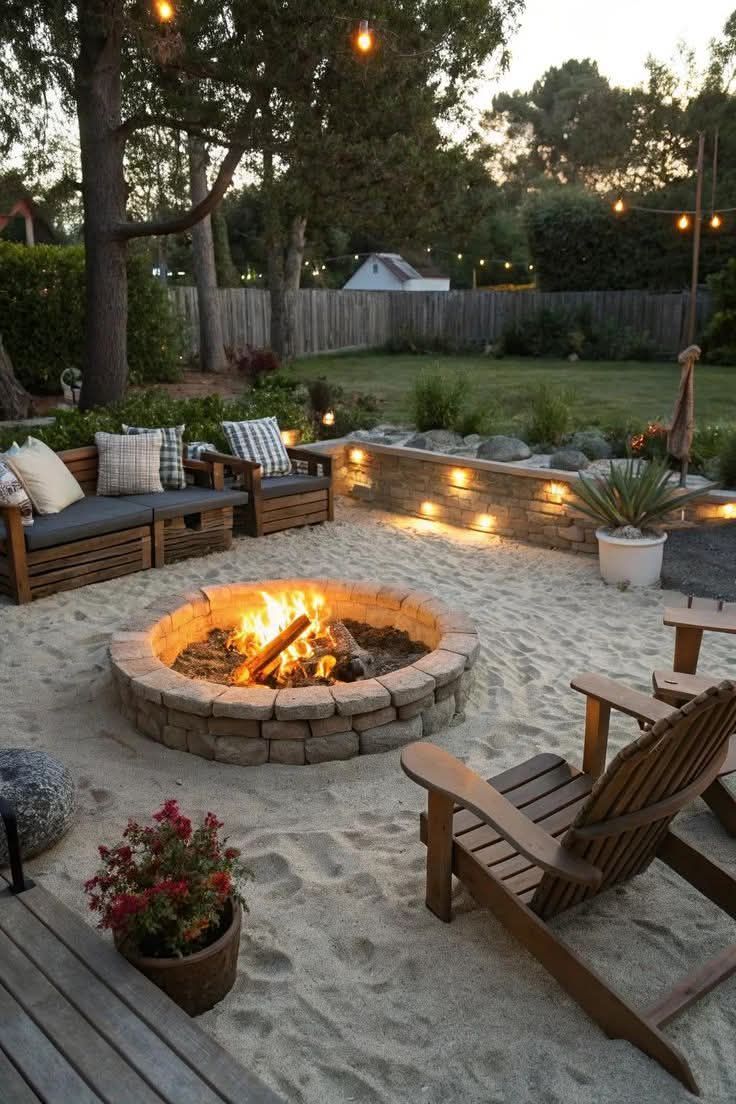
Scandinavian garden design focuses on three main elements: minimalism, functionality, and a cozy feel (Hygge). This style is characterized by the use of natural materials and a neutral color palette including white, gray, black, and light wood tones. Core elements often include simple furniture, an outdoor fireplace or fire pit for a warm focal point. For greenery, the style favors plants with simple structures and low maintenance requirements, such as conifers or shrubs. Due to its combination of functionality and minimalist aesthetics, it's an ideal choice for those seeking a tidy yet cozy family gathering space.

9. Vertical garden design
Vertical gardens are a practical design trend that addresses the problem of limited green space in urban areas. By utilizing wall surfaces, this method allows for vertical planting in areas with limited space such as balconies, apartments, rooftops, or atriums.
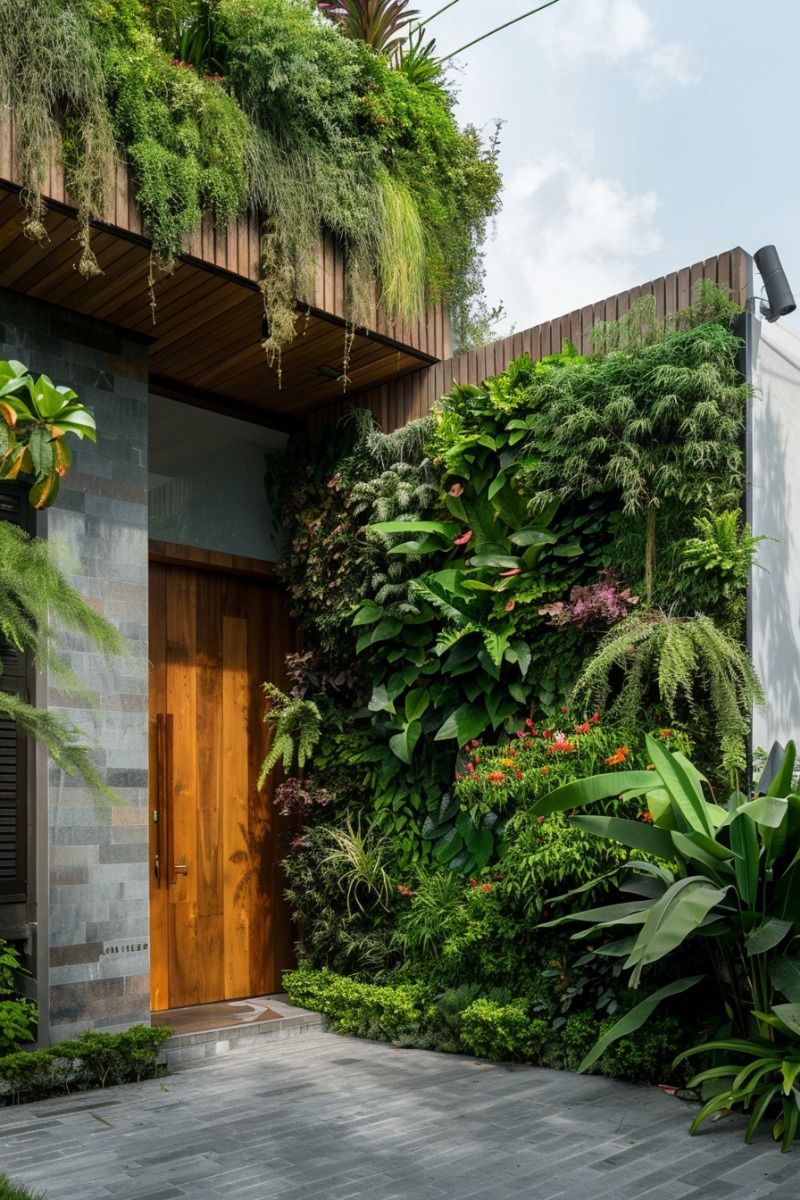
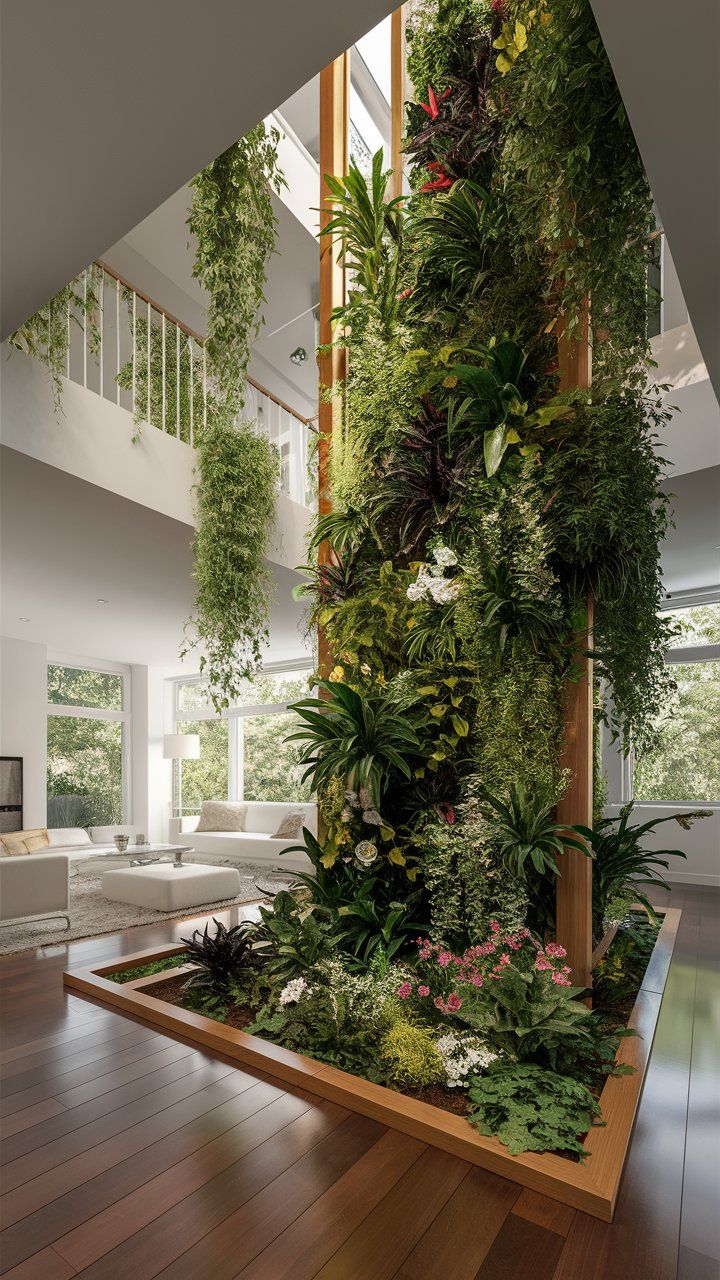
During construction, specialized systems such as modular plastic structures, high-strength geotextile bags, or sturdy metal frames are often used, and integrated with automatic drip irrigation systems for increased convenience. This is also a popular design trend today due to its many advantages. Beautiful and easy-to-implement living wall design ideas and is highly convenient.


10. Farmhouse-style garden design
Farmhouse style offers a garden that is both beautiful and functional, combining decoration and cultivation. Characteristic features include raised vegetable beds made of wood or metal, interspersed with flowers and herbs. Materials are often rustic and recycled, and pathways are kept as natural as possible. This gardening trend is geared towards families who desire a practical green space and the ability to grow their own fresh food at home.


Sustainable garden design trends
Besides unique design styles, sustainability is a growing trend in garden design. This trend can be applied to any style, focusing on creating a harmonious, minimally invasive, and environmentally friendly ecosystem. Key principles include:
- Prioritize planting native trees to reduce maintenance costs.
- Design a system for collecting and reusing rainwater.
- Make your own compost from kitchen waste and leaves.
- Minimize the use of chemical fertilizers and pesticides.
Guide to effective garden maintenance
A beautiful design needs proper care to maintain its beauty for a long time. Whether you care for it yourself or use it regularly. professional landscape maintenance servicesPlease pay attention to the following factors:
- Proper watering: Learn about the water needs of each plant. Avoid overwatering, which can cause root rot, or underwatering, which can cause wilting. Water in the early morning or late afternoon.
- Regular fertilization: Provide the necessary nutrients for the plants, especially during the growing season. Prioritize the use of organic fertilizers to improve soil quality.
- Regular pruning: Remove dry branches, withered leaves, and faded flowers so that the plant can concentrate nutrients on new shoots and maintain the shape of the bonsai tree.
- Pest control: Regularly inspect your plants to detect early signs of pests and diseases. Prioritize biological and organic methods to ensure safety.