In the era of the Fourth Industrial Revolution, technology is no longer opposed to nature but has become a powerful tool for preserving life. For modern townhouses, integrating a smart garden system (Smart Garden System) It's the optimal solution for maintaining landscape beauty without spending too much time on manual care. However, at Caydecor, we don't consider technology to be the ultimate goal. Smart garden system This helps us listen to the "voice" of the soil through IoT sensors, thereby enabling timely and appropriate interventions.
Why are smart garden systems the perfect fit for adaptive landscaping?
Adaptive landscapes require the ability to respond flexibly to weather variations such as extreme heat or unusual storms. smart garden system It acts as the "brain" controlling the garden, helping it to automatically adjust irrigation and nutrient regimes based on real-world data.
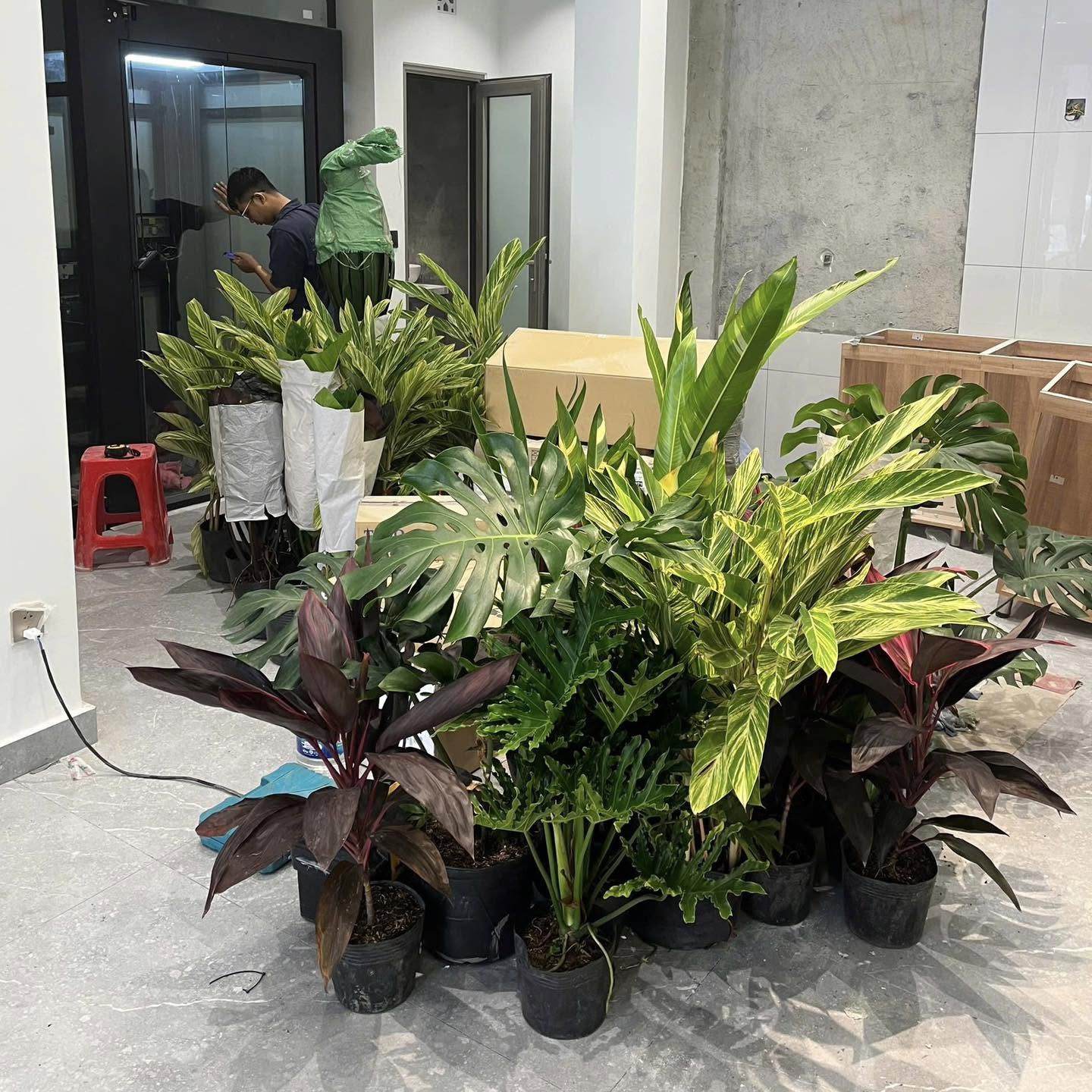
Unlike simple timers, smart garden system Using algorithms to analyze humidity, temperature, and light intensity. This is especially important in operating organic rooftop garden models, where the environment changes very rapidly. Owning a smart garden system This gives homeowners greater peace of mind when they are away on business trips, as all garden parameters are updated directly via their phone.
Soil cultivation in the digital age: The role of IoT sensors in smart garden systems.
The most significant breakthrough was smart garden system The key benefit is the ability to monitor the "health" of the subsurface in real time. In this philosophy... soil cultivation According to Caydecor, maintaining ideal humidity is crucial for protection. Mycorrhizae fungal network and beneficial soil bacteria. This is achieved through integrated deep-penetrating humidity sensors. smart garden systemBy doing so, we can know precisely when the soil needs water without guesswork. This prevents over-watering, which washes away organic matter, or under-watering, which causes microorganisms to become stunted. Furthermore, a smart garden system High-end models also have the ability to measure the electrical conductivity (EC) of the soil to determine mineral concentrations, helping homeowners know when to add microbial fertilizers scientifically (article 1). When data from smart garden system When combined with a safe garden maintenance schedule (lesson 30), the garden will achieve optimal biological balance.
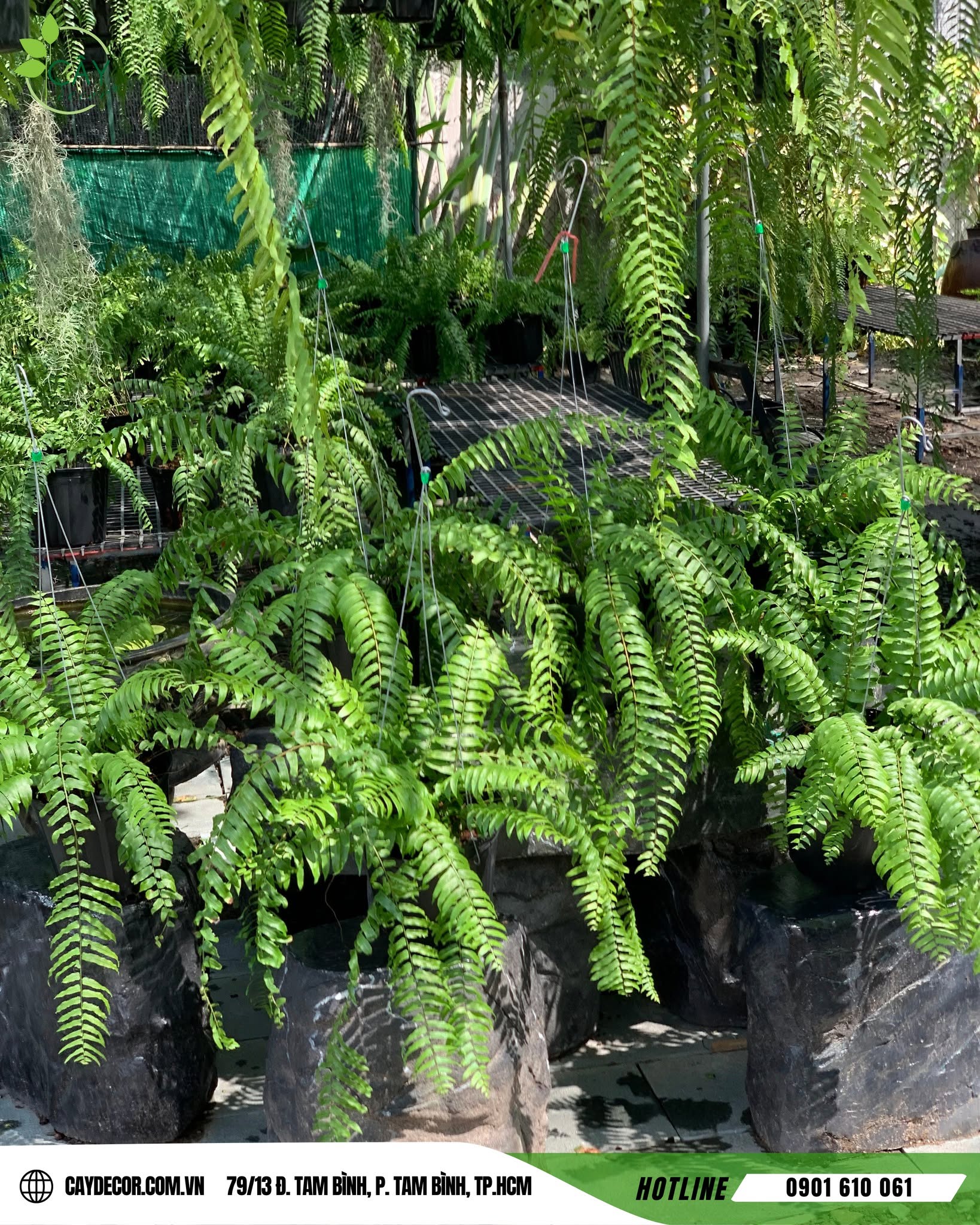
Soil "cared for" by accurate data will have a more stable granular structure, giving plants superior self-resistance. The combination of soil biology knowledge and the precision of data... smart garden system This is the key to maintaining clean, vibrant soil even in the harshest urban conditions.
The core components of a standard Caydecor smart garden system.
To one smart garden system For efficient and sustainable operation, a harmonious coordination of four technical components is required:
- Sensor Network: Measure input environmental indicators for smart garden system.
- Central control unit (Gateway): Receive and process data, issue operating commands. smart garden system.
- Execution System (Actuators): Includes a water pump, solenoid valve, and connected drip irrigation system. smart garden system.
- Management platform (Software/App): An interface for homeowners to interact with and monitor. smart garden system.
Living in a smart ecosystem: The combination of intuition and data.
Philosophy living in harmony with the ecosystem In the era of Industry 4.0, it doesn't mean completely relying on machines, but rather utilizing them. smart garden system to gain a deeper understanding of nature. When data from smart garden system By observing the appearance of natural predators or changes in the canopy, homeowners will have interesting and meaningful discovery experiences. Smart garden system It helps us recognize the hidden laws of life, from the interconnectedness between Soil microorganisms and mental health This extends to the self-regulating ability of air-purifying plants. Integrating this technology into biophilic design spaces blurs the lines between modern comfort and rustic beauty. smart garden system A well-designed system will automatically coordinate with the greywater recycling system to optimize water usage, keeping the garden lush and green while ensuring resource conservation.

The feeling of interacting with a "talking garden" through smart garden system It brings absolute peace of mind, allowing homeowners to fully enjoy the value of a therapeutic garden or a tranquil meditation corner. The synergy between artificial intelligence and an innate love for nature helps us create sophisticated living spaces where modernity serves human values and the enduring vitality of Mother Earth's ecosystem.
Economic benefits and sustainability of smart garden systems
Investing in a smart garden system The economic value of a health garden (article 29) is enormous:
- Maximize water conservation: Smart garden system Water only when necessary, reducing water waste by up to 40%.
- Reduce labor costs: Automating basic care processes through smart garden system.
- Increase the lifespan of plants: The plants are always kept in ideal conditions thanks to the supervision of... smart garden system.
Sustainable Management and Sponge Landscape Ecosystem
IoT is the "brain" that helps realize sustainable landscape models:
- Regulating rainwater, reducing flooding: In Sponge Landscape structureThe underground reservoir system and biological filter layer will retain rainwater. IoT sensors will monitor the soil's absorption capacity. If the rainfall exceeds the system's carrying capacity, it will activate smart overflow valves to safely redirect the water, preventing erosion or localized flooding.
- Reusing resources: Prioritize using collected rainwater or recycled water that has passed through a biological filter to water ornamental plants, reducing reliance on clean tap water.
IoT applications transform landscapes from static entities requiring extensive manual maintenance into a vibrant environment. Dynamic ecosystems have the ability to self-regulate.It not only solves the problem of saving water (up to 30% – 50% compared to traditional irrigation) and labor, but also ensures that plants grow in the most ideal conditions, maintaining sustainable green spaces for the project.