Have you ever wondered why natural forests remain lush and green for millions of years without needing fertilizer or pesticides? The answer lies in the concept of "ecosystem." A well-designed Caydecor garden is not just a collection of plants, but a whole... urban garden ecosystem Complete, where every living creature has its own unique mission.
What is a garden ecosystem?
One biological community (including plants, animals, and microorganisms) interact directly with these non-biological factors (such as land, water, light, air) within a given spatial area.
Instead of being just a collection of individual plants, the garden ecosystem functions like a self-operating machine, where each component has its own role to maintain balance.
1. Core components
A healthy garden ecosystem typically comprises four main groups:
- Producers (Plants): This is the foundation of the system. They convert solar energy into nutrients through photosynthesis. Shrubs, ground cover plants, and shade trees all belong to this group.
- Consumers (Animals & Insects): This includes pollinators (bees, butterflies), pest control species (birds, ladybugs), and even subterranean organisms like earthworms to improve soil aeration.
- Decomposers (Fungi & Bacteria): They play a "recycling" role, breaking down dry leaves, dead roots, and organic matter into humus, returning nutrients to the soil.
- Infertility components: Soil (pH, structure), water, sunlight, and minerals.
2. Principles of Ecosystem Operation
In an ecologically designed garden, relationships are established to minimize human intervention:
- The nutrient cycle: Fallen leaves become fertilizer, helping plants grow without the need for excessive chemicals.
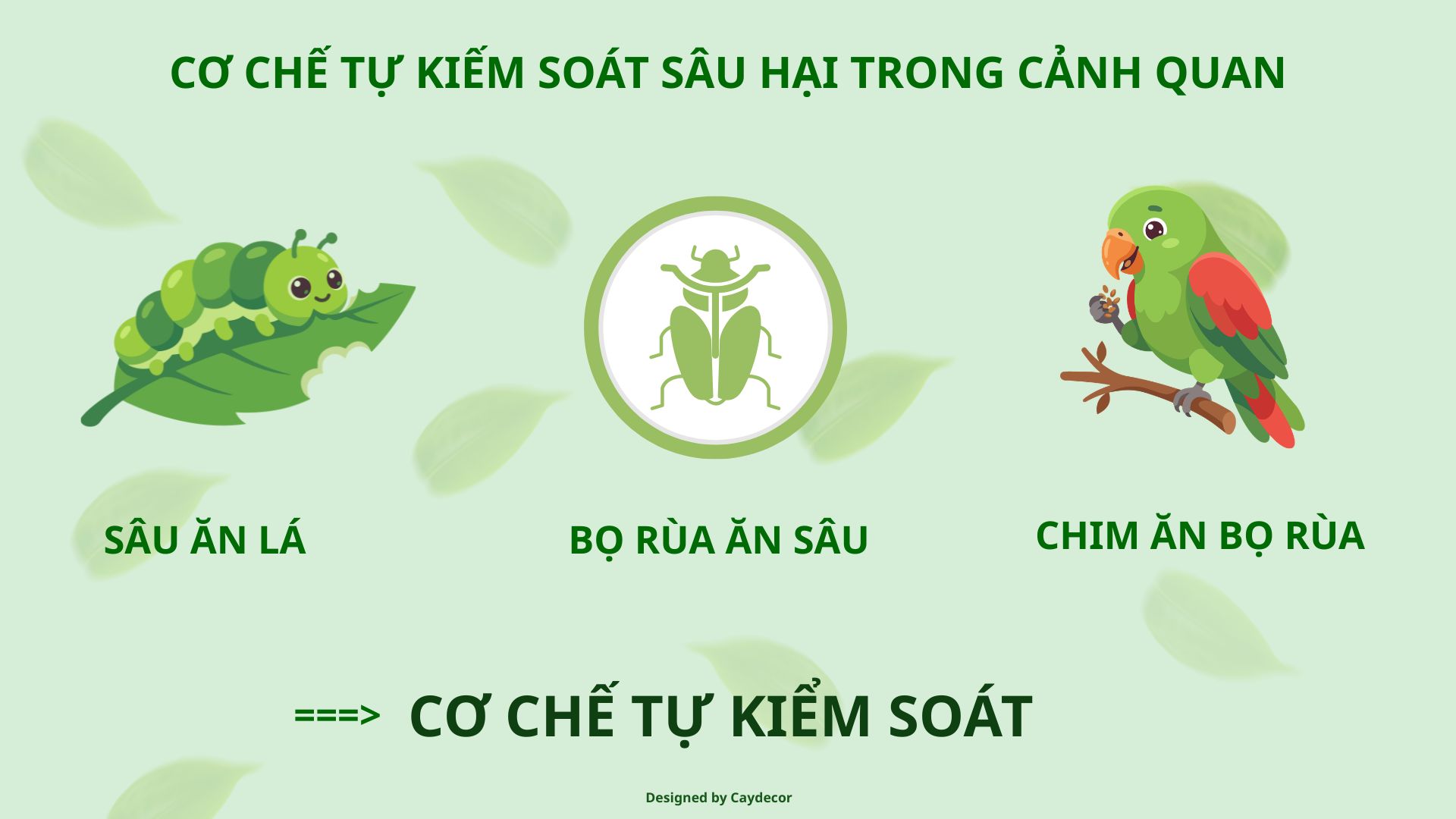
- Biological control: Instead of using pesticides, the presence of natural predators (such as insect-eating birds) helps maintain insect populations at safe levels.
- Biodiversity: The more plant and animal species that coexist, the less vulnerable the ecosystem is to disease or climate change.
3. Why is the garden ecosystem important?
Sustainability: Creating a green living space that supports the conservation of local species.
Self-sustaining: Reduces the effort required for care and the cost of fertilizers and pesticides.
Improving the microclimate: It helps lower the surrounding temperature, retain soil moisture, and filter out dirt and dust.
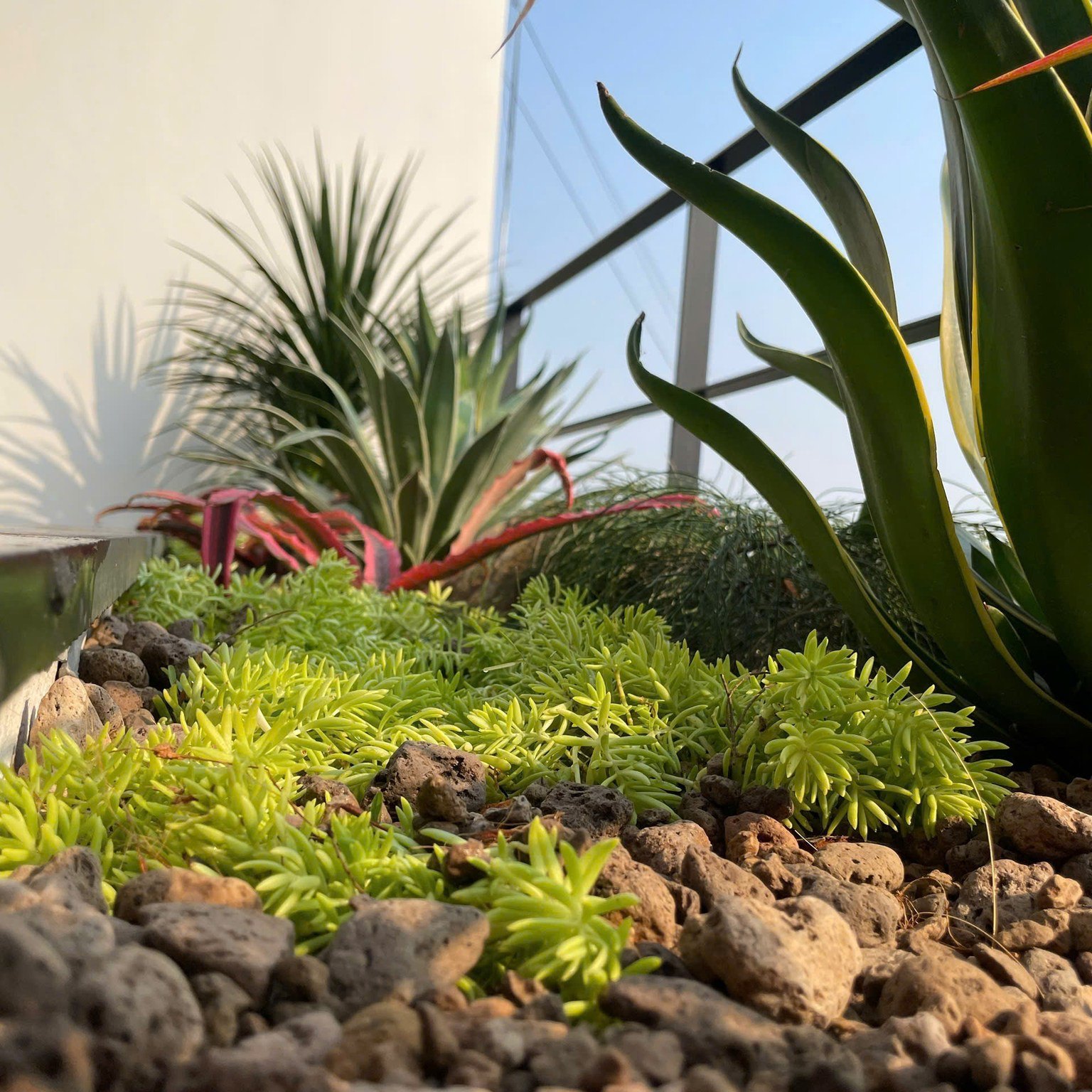
The concept of a garden is that of a "living organism".
In philosophy Caydecor landscapeWe don't design "sterile" green spaces. We create "miniature forests" in the heart of the city. There, trees provide oxygen and shade, microorganisms metabolize nutrients, and insects act as regulators and pollinators. When all these components reach biological balance, the garden will function and protect itself.
See more at: Organic garden care
Earthworms: The Silent Chief Engineer
If the soil is the house, then earthworms are the most diligent builders. Their role is immense:
The mechanical and biochemical roles of earthworms:
Earthworms don't simply dig burrows. They perform complex technical functions that no machine or chemical can replace:
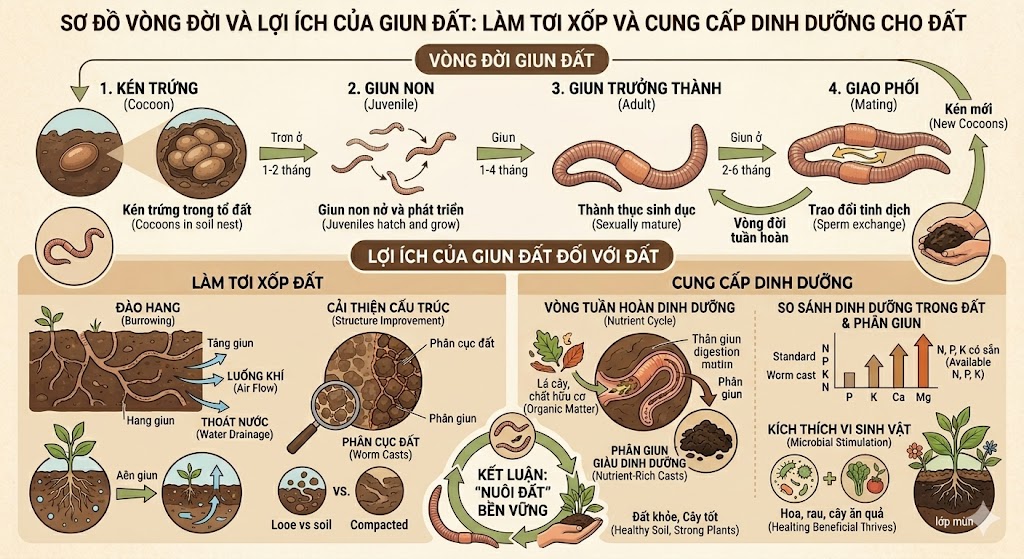
- Creating "macropores": As they move, earthworms create a network of tunnels that allows oxygen to penetrate deep into the root system and helps water drain quickly during the torrential tropical rains of the South. This prevents soil compaction – the number one enemy of root rot in urban villa gardens.
- The miraculous mucus: The mucus secreted by earthworms contains compounds that help stabilize the structure of soil aggregates, making the soil loose yet cohesive, allowing it to retain water and nutrients better.
- Vermicompost fertilizer production plant: Earthworm castings are a premium organic fertilizer. They contain enzymes and native microorganisms that can stimulate root growth many times more effectively than conventional chemical fertilizers.
Natural enemies and insects: A free army of protectors.
Many homeowners panic when they see insects in their garden and rush to use chemical pesticides. This is a serious mistake because chemical pesticides often kill your "allies" as well:
| Species | Role in the ecosystem | Specific benefits for the garden |
|---|---|---|
| Bees & Butterflies | Professional pollination | It helps plants flower and bear fruit more abundantly and maintains natural gene circulation in the garden. |
| Ladybugs | Control mealybugs | A ladybug can consume thousands of mealybugs and spider mites during its lifetime. |
| Dragonfly | "Strike" to kill mosquitoes | They hunt mosquitoes and other flying insects that are harmful to humans, even from their larval stage underwater. |
| Praying mantis | Predator assassin | Eliminate large leaf-eating insects without the need for pesticides. |
| Wasps & Parasitic Bees | Pest control | They lay their eggs inside pests, helping to reduce pest populations naturally and sustainably. |
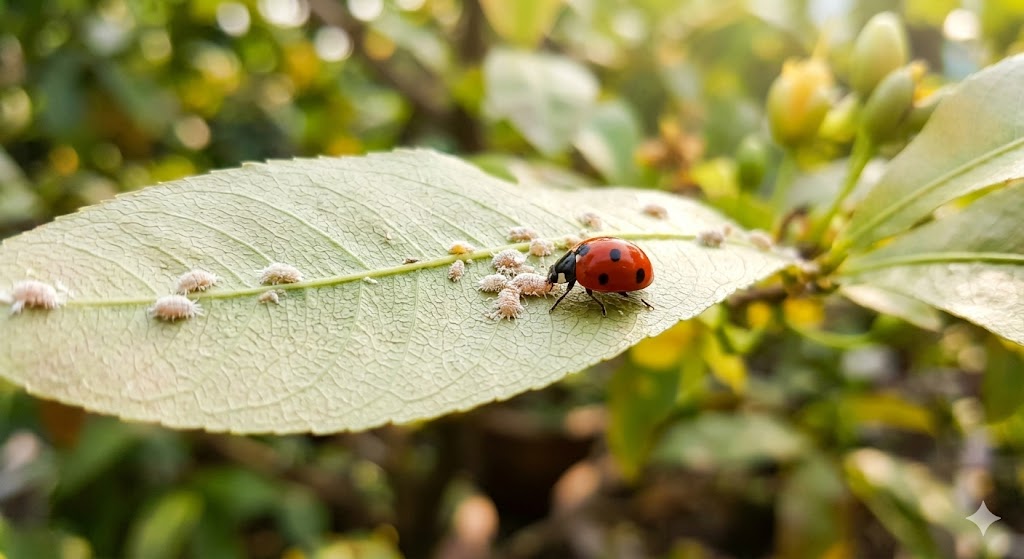
Eradicating insects completely disrupts the food chain, causing pests (which often have higher resistance to pesticides) to proliferate more intensely because they no longer have natural predators.
See more at: Organic fertilizers vs. chemical fertilizers: Which is really better?
How to build a biodiversity "oasis"
Build a urban garden ecosystem It's a journey that requires patience. Below are the in-depth practical steps for the hot and humid climate typical of Ho Chi Minh City:
- Step 1: Stop using chemicals and "restore" the soil.Stop doing that immediately. using chemical fertilizers and synthetic pesticides. Instead, add composted organic fertilizers (cow manure, chicken manure) or vermicompost to provide an initial food source for earthworms and native microorganisms. This process "awakens" the soil after a long period of contamination.
- Step 2: Choose plants that are "adapted to the climate".Prioritize native tropical species such as Barringtonia, Yellow Apricot, Five-Color Flower, Jasmine, or other sun-tolerant shrubs. These species have high compatibility with local insects, attract bees and butterflies naturally, and possess excellent resistance to pests and diseases characteristic of Southern Vietnam.
See more at: The impact of environment and climate on gardens.
- Step 3: Design the canopy and ground cover.Don't leave the land empty. using grass Alternatively, ground cover plants (such as peanut grass or Bidens pilosa) can be combined with a layer of dry leaves or decaying bark (mulching). This cover is extremely important during the dry season in Ho Chi Minh City (temperatures can reach 38-40°C), helping to retain soil moisture and protect earthworms from the scorching heat.
- Step 4: Create an “insect hotel”Minimize the complete paving of your garden with concrete. Leave open spaces, natural rock formations, or slightly overgrown bushes. These provide excellent nocturnal shelters for ladybugs and praying mantises.
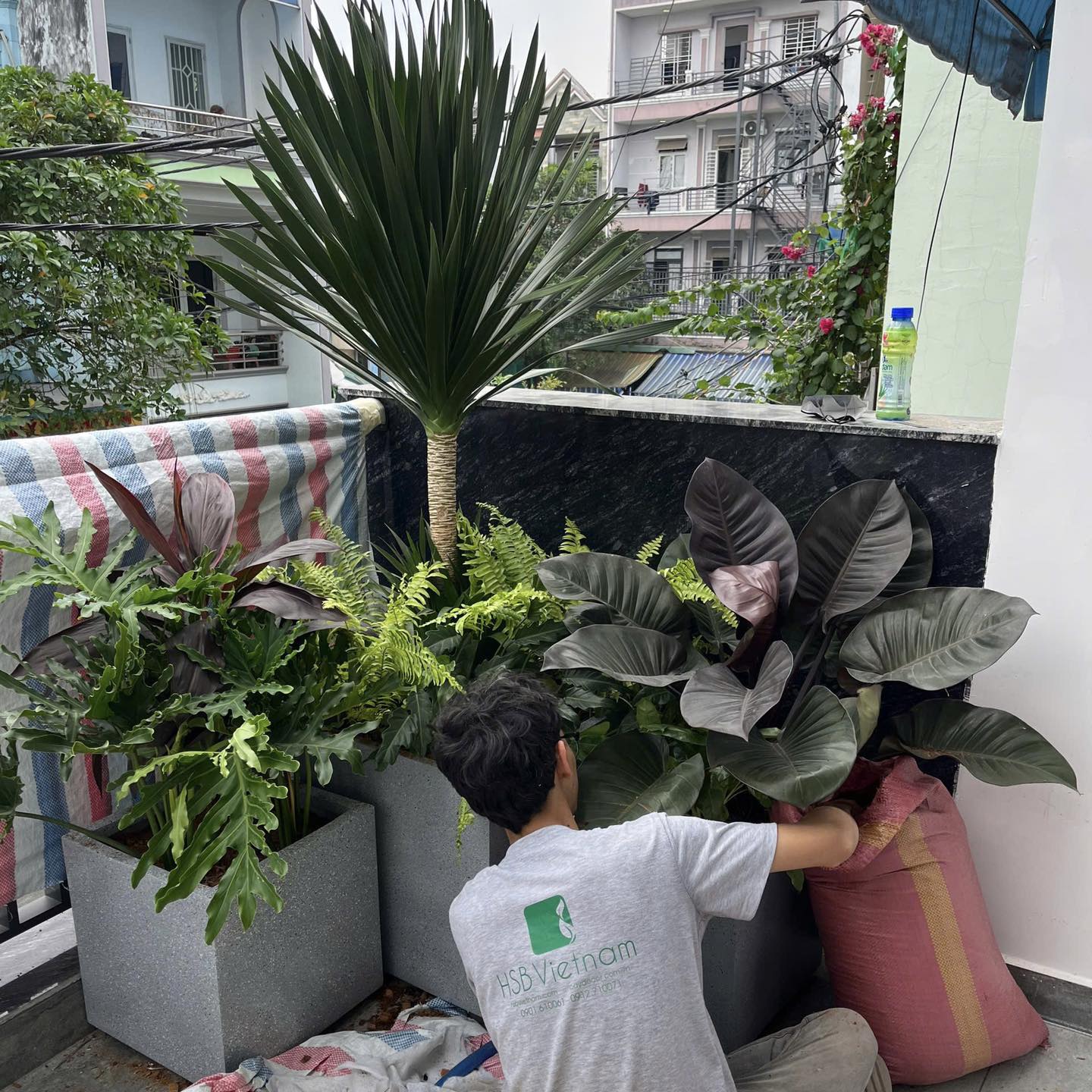
The garden is the family's living heritage.
A truly exceptional garden isn't one where humans dominate nature with chemicals, but rather one where humans learn to coexist with it. Earthworms, bees, butterflies, and ladybugs are the unsung heroes, helping to maintain the freshness, cleanliness, and vitality of your home.
Understanding the role of urban garden ecosystem and respect landscape biodiversity This is the first step in building a truly organic lifestyle. Let your garden be not just a place to relax, but also a clean, safe living legacy for future generations.